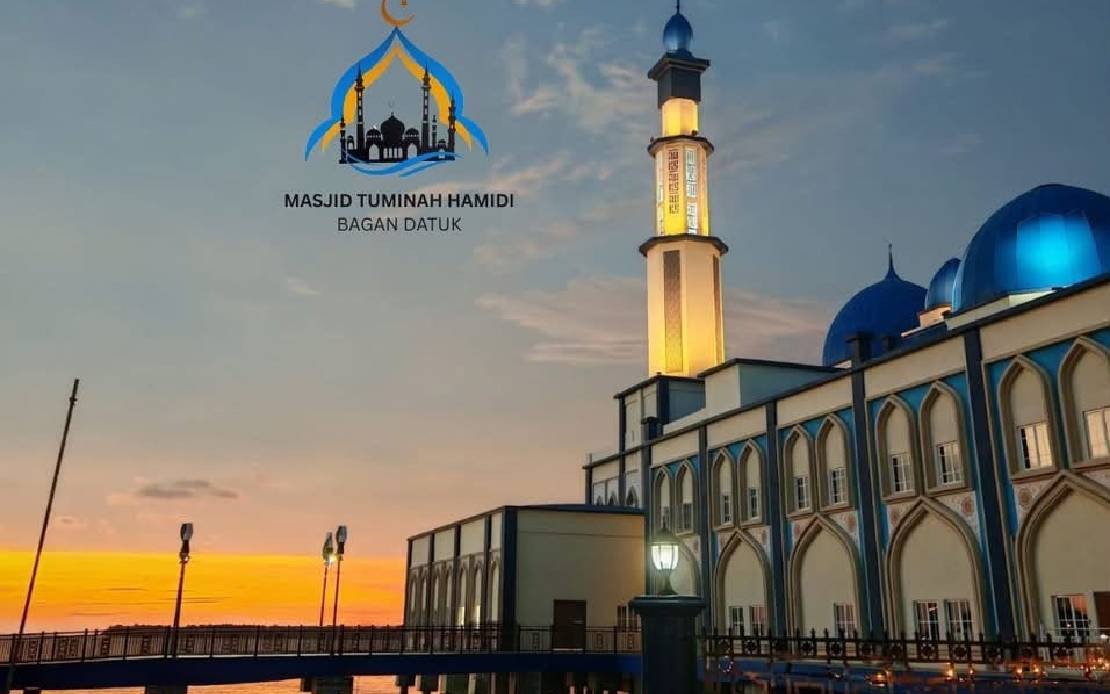
Malaysia's inaugural National Mosque Open Day will unfold across three days beginning August 13 at the Tuminah Hamidi Mosque in Bagan Datuk, representing a significant initiative by the Islamic Tourism Centre (ITC) under the Ministry of Tourism, Arts and Culture to reframe mosques within the national consciousness. The landmark event, set to run through August 15, signals a deliberate effort to present these religious institutions not merely as places of devotion but as vibrant civic spaces that welcome everyone regardless of religious affiliation or background, with admission completely free.
The event carries particular strategic weight for Malaysia's positioning in the competitive global halal tourism market. By opening mosque doors to diverse communities, the initiative demonstrates how religious institutions can function as anchors for cultural tourism and interfaith dialogue—a distinction that separates Malaysia from rival destinations competing for Muslim-friendly tourism credentials. The ITC's emphasis that visitors need not be Muslim, nor of any particular nationality or background, positions this inaugural event as a statement about Malaysian hospitality and the country's self-image as a culturally inclusive society.
The programme's structure reflects careful curation across the three days. Opening activities on August 13 centre on spiritual enrichment through a Qasidah performance by the Nur Ahli Badar group, followed by religious addresses from Ustaz Habib Ali Zaenal Abidin Alhamid and Ustaz Habib Najmuddin Othman Alkhered. This deliberate pairing of traditional Islamic performance art with scholarly discourse establishes the mosque as an intellectual and cultural space, educating visitors about Islamic traditions while creating an engaging atmosphere that transcends formal worship.
The centrepiece of the celebration materialises on August 15 at Dataran Bagan Datuk, where planners have assembled a diverse array of activities designed to appeal across demographic segments. The morning commences with a brisk walk led by actor Bell Ngasri, immediately signalling that mosque-related programming encompasses wellness and leisure. The competitive components—a 3x3 street soccer tournament, e-sports competitions and archery—intentionally blur the lines between religious and secular activities, demonstrating how mosque grounds can accommodate recreational pursuits that typically occur outside religious precincts.
Cultural programming throughout the day extends beyond Islamic tradition narrowly construed. Khat demonstrations introduce visitors to Islamic calligraphy as an art form, while an azan competition celebrates the call to prayer as a musical and vocal discipline. These elements offer entry points for participants with varying levels of Islamic knowledge or interest, from casual cultural enthusiasts to those seeking deeper spiritual understanding. The inclusion of personality appearances by Aril Pilus and Elly Mazlein adds entertainment value, suggesting that religious and cultural spaces need not maintain rigid separation from popular culture.
Younger participants receive dedicated attention through activities tailored to children, including a colouring contest and family-oriented mosque exploration. This intergenerational programming strategy builds familiarity with mosque spaces from childhood, potentially normalising visits to these institutions among non-Muslim and Muslim communities alike. Such exposure early in life can contribute to long-term attitudes toward interfaith understanding and comfort with diverse religious environments.
Deputy Prime Minister Datuk Seri Dr Ahmad Zahid Hamidi will formally launch the National Mosque Open Day 2026, elevating the event beyond a grassroots initiative to a government-endorsed programme. This political endorsement suggests sustained commitment from federal authorities to mosque-based community engagement and positions the opening day concept as part of Malaysia's broader cultural diplomacy strategy. The involvement of MOTAC and ITC indicates this initiative aligns with national tourism development priorities.
The National Mosque Open Day programme builds upon ITC's existing monthly mosque open day activities at various locations, suggesting this particular August event represents the maturation and scaling of a model already operating at smaller scales. This incremental approach to programme expansion allows organisers to test formats, gather visitor feedback and refine experiences before implementing them nationally. The choice of Tuminah Hamidi Mosque in Bagan Datuk as the flagship inaugural venue reflects deliberate geographic selection, likely considering factors such as mosque architecture, community capacity and proximity to tourism infrastructure.
For Malaysian and Southeast Asian readers, this initiative carries significance beyond cultural tourism marketing. It represents an official recalibration of how Muslim-majority societies present religious institutions to international and domestic audiences. At a moment when religious tensions periodically surface across the region, Malaysia's emphasis on mosque accessibility and interfaith engagement offers a counternarrative centred on inclusion. The explicit statement that admission welcomes all regardless of race, religion or nationality directly counters exclusionary framings of religious space that sometimes emerge in regional political discourse.
The programme's architecture around activities, entertainment and cultural celebration reflects sophisticated understanding that interfaith and intercommunal engagement succeeds when it entertains and enriches participants rather than demanding earnest solemnity. By hosting sporting tournaments, musical performances and family activities alongside religious programming, organisers acknowledge that meaningful engagement with Islam and Muslim culture often occurs through enjoyment rather than formal instruction. This approach potentially generates more sustainable shifts in intercommunal attitudes than purely didactic initiatives.
The online promotion through mymuslimtrip.com and social media channels indicates savvy use of digital platforms to reach both domestic and international audiences. For Malaysia's tourism industry, particularly the halal tourism segment, this kind of programming generates content and experiences that distinguish the destination from competitors. The distinctive nature of a government-sponsored, nationwide mosque open day provides authentic local programming that appeals to culturally-conscious tourists beyond the standard resort-and-shopping itinerary.
Looking ahead, the success or reception of this inaugural event will likely determine whether mosque open days become embedded fixtures in Malaysia's tourism and cultural calendar. The scale of participation, media coverage and feedback from both Muslim and non-Muslim visitors will signal whether this model achieves its intended goal of repositioning mosques as accessible community spaces. For Southeast Asia's Muslim-majority nations, Malaysia's experiment offers a potential template for balancing religious authenticity with inclusive public engagement, a challenge that will increasingly preoccupy regional governments navigating religious identity in cosmopolitan societies.
Ultimately, the National Mosque Open Day concept reflects broader trends in how modern nations manage religious heritage and interfaith relations through tourism and cultural programming. By transforming an exclusively religious institution into a temporary cultural venue during designated periods, Malaysia models an approach that respects religious significance while maximising public engagement across community lines. The success of this inaugural event could establish new norms for how Southeast Asian countries present Islamic heritage to domestic and international audiences.

