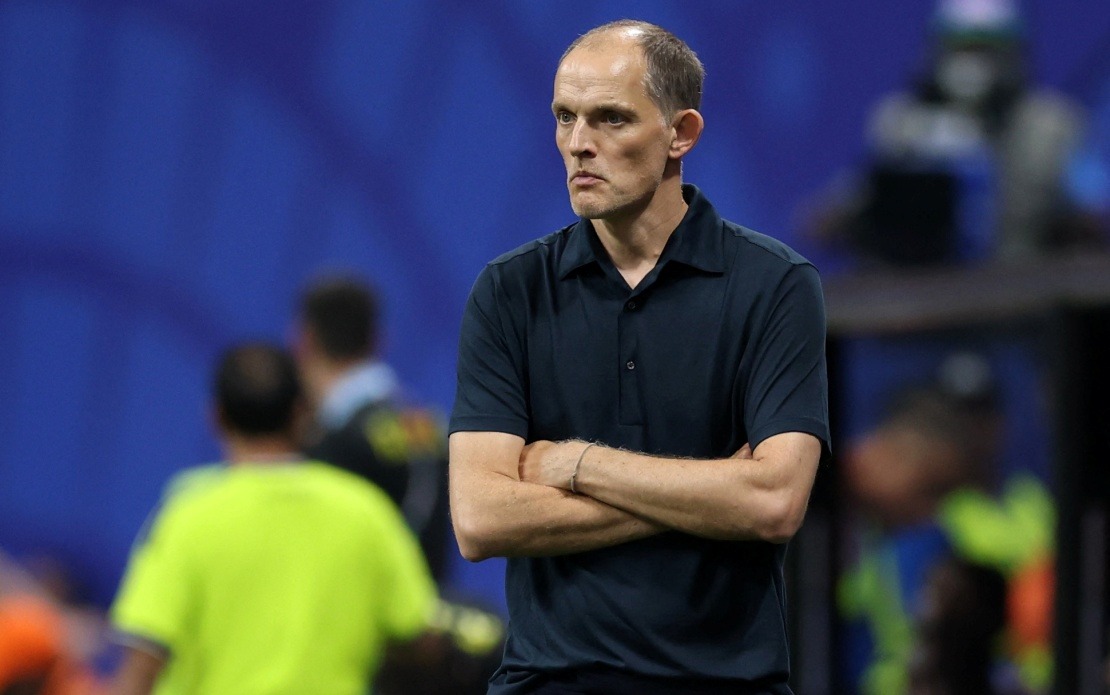
Thomas Tuchel has offered a candid assessment of England's World Cup semi-final collapse against Argentina in Atlanta on Wednesday, conceding that his squad's performance deteriorated markedly after taking the lead, though he maintains the defeat contained no cause for regret over his management decisions. The German tactician's post-match analysis comes as considerable scrutiny focuses on his substitution strategy, particularly the defensive adjustments that coincided with Argentina's dramatic turnaround in the match.
England appeared firmly in control when Anthony Gordon converted in the 55th minute, putting the side ahead in what represented a promising position in their pursuit of the tournament's final. However, the lead proved fleeting and fragile. Enzo Fernandez restored parity with just five minutes remaining on the clock, before Lautaro Martinez struck what proved to be the decisive blow deep into stoppage time, securing Argentina's place in the final as defending world champions advanced with a 2-1 victory.
In his formal post-match comments, Tuchel articulated the fundamental shift that occurred once England's initial advantage materialized. Rather than building momentum from their breakthrough goal, the team's approach became increasingly tentative and reactive. According to the coach's assessment, England's failure to maintain attacking intensity or retain possession sufficiently contributed directly to the cascade of defensive frailties that followed. The team found themselves yielding far too many dangerous opportunities to their opponents, whether through aerial balls delivered into the box or shooting chances created from open play.
When pressed about the substitution decisions that drew immediate criticism from supporters and media analysts, Tuchel resisted the suggestion that structural or formation-based changes lay at the heart of England's troubles. He pointed out that the team maintained its 4-4-2 shape throughout, indicating the problem was not rooted in tactical architecture but rather in execution and mentality. The coach's perspective suggests that fresh personnel alone would not have fundamentally altered the match trajectory, given that the underlying issue stemmed from how the existing players on the pitch approached their responsibilities.
Tuchel elaborated that although he considered pursuing a second goal through offensive reinforcements, his professional judgment concluded that introducing attacking-minded substitutes would not necessarily yield positive results. This restraint reflected his belief that England's difficulties were not primarily tactical in nature but rather centered on the team's reduced aggression and inability to win back possession when needed. The passive approach that gradually consumed the team's play despite their numerical advantage and superior position contradicted the intensity that had characterized their performance in the opening phases.
The fundamental disconnect Tuchel identified was England's loss of ball-winning capability combined with their deteriorating possession quality. As the match evolved, his side found themselves unable to implement either a pressing strategy or a controlled, possession-based approach effectively. This dual failure meant Argentina could establish territorial dominance despite being the trailing team, a reversal that proved decisive in determining the final outcome.
Despite acknowledging the passive nature of England's defending after scoring, Tuchel expressed no regret regarding his tactical direction. He contended that England had performed to a commendable standard under challenging circumstances, potentially delivering one of their superior efforts throughout the tournament when accounting for the magnitude of the occasion. The coach emphasized that his players had earned their advancement to that point, and the eventual outcome came down to fine margins rather than fundamental mismanagement.
Tuchel's comments reflect the tension between objective match analysis and subjective defensive judgment that coaches regularly navigate following defeat. His acknowledgment of passivity represents a recognition of what transpired on the pitch, while his assertion of no regrets suggests confidence that reasonable professional decisions were made given available information and circumstances. He noted the reality that countless armchair analysts would second-guess his choices with perfect hindsight, a characteristically wry observation about the nature of football criticism.
The defeat represents a significant setback for English football's ambitions in this World Cup cycle, particularly given how close the team came to reaching the final. For Malaysian and Southeast Asian observers, the match underscores how even elite teams can struggle with fundamental principles like maintaining composure and intensity when achieving a critical objective. Tuchel's reflections illustrate the complex decision-making required at the highest levels of international football, where tactical flexibility must be balanced against maintaining structural integrity and player confidence throughout intense competitions.

