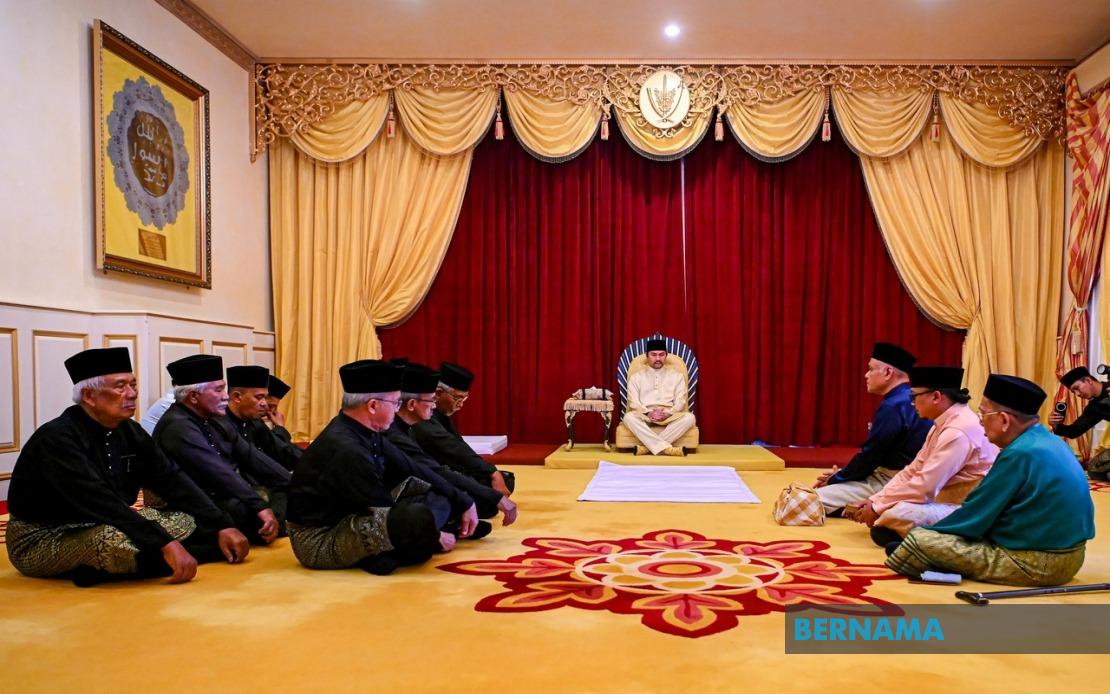
The Yang Dipertuan Besar of Negeri Sembilan, Tuanku Muhriz Tuanku Munawir, has granted his blessing for a formal royal audience to take place at Istana Besar Seri Menanti in Kuala Pilah on Saturday morning, where the installation of the new Undang of Luak Sungei Ujong will be officially recognised and solemnised according to state custom.
Tunku Besar Seri Menanti Tunku Ali Redhauddin Tuanku Muhriz, the royal representative, announced the consent during an audience with the Datuk-Datuk Adat of Luak Sungei Ujong and their delegation at the palace on Wednesday. The ceremony, formally known as Istiadat Menghadap Menjunjung Duli Bagi Menyempurnakan Kejadian Undang Luak Sungei Ujong, marks a significant moment in the traditional governance structure of this particular luak or administrative district within Negeri Sembilan.
Muhammad Faris Johari, 29, has been chosen as the 11th Undang of Luak Sungei Ujong through a selection process conducted by the Buapak customary council assembly. The selection adhered to the established adat and traditions that have governed such appointments within Luak Sungei Ujong for generations. Waris Negeri Sungei Ujong Datuk Sinda Maharaja Razlan Hamid confirmed that the candidate was selected in full accordance with customary law and practices specific to the district.
This appointment comes following the formal dismissal of the previous office holder, Datuk Klana Petra Datuk Mubarak Dohak, who served as the 10th Undang of Luak Sungei Ujong. The Dewan Keadilan dan Undang, the judicial and customary body responsible for such matters, accepted his dismissal at a special sitting convened at Istana Besar Seri Menanti and presided over by Tuanku Muhriz himself. Menteri Besar Datuk Seri Aminuddin Harun confirmed the decision was made through this formal process.
The structure of Undang positions within Negeri Sembilan reflects the state's unique constitutional arrangement and its deep-rooted commitment to preserving traditional Malay-Muslim governance systems. The position carries considerable prestige and responsibility within the luak system, serving as a vital link between customary authority and the broader state administration. The careful observance of adat in both selecting candidates and formally installing them underscores how seriously the state takes these hereditary and customary roles.
Tunku Ali Redhauddin's statement expressing Tuanku Muhriz's consent also emphasised the importance of smooth coordination between the customary leaders and the Orang Empat Istana, the palace officials responsible for ceremonial arrangements. This coordination ensures that all aspects of the installation ceremony proceed according to both protocol and tradition, reflecting the state's respect for its constitutional heritage and customary practices.
The same Saturday will also see another significant ceremonial occasion at the palace. Tuanku Muhriz has similarly consented to a royal audience ceremony to formalise the installation of the 22nd Undang of Luak Rembau, another district within Negeri Sembilan. This scheduling allows the Yang Dipertuan Besar to conduct multiple formalisation ceremonies in succession, demonstrating the ongoing importance of maintaining these traditional governance appointments.
Negeri Sembilan's governance structure, which incorporates both constitutional monarchy and customary law, stands out within Malaysia for its preservation of traditional Minangkabau-influenced systems. The appointment of Undang representatives in each luak represents a continuation of historical practices that predate modern state administration. These positions hold particular significance in matters of land, custom, and local dispute resolution within their respective districts.
For observers of Malaysian constitutional matters and federalism, the formality with which Negeri Sembilan treats these appointments reflects a broader commitment across the state to maintaining institutional balance between modern governance and traditional authority. The involvement of the Yang Dipertuan Besar in ceremonially formalising such appointments reinforces the symbolic and practical importance of these roles in the state's overall administrative framework.
The selection process for Muhammad Faris Johari, conducted through established customary procedures, represents how Negeri Sembilan manages leadership transitions while respecting adat. Such processes ensure continuity of governance at the local level while maintaining respect for ancestral traditions that have shaped the state's distinctive political culture for centuries.

