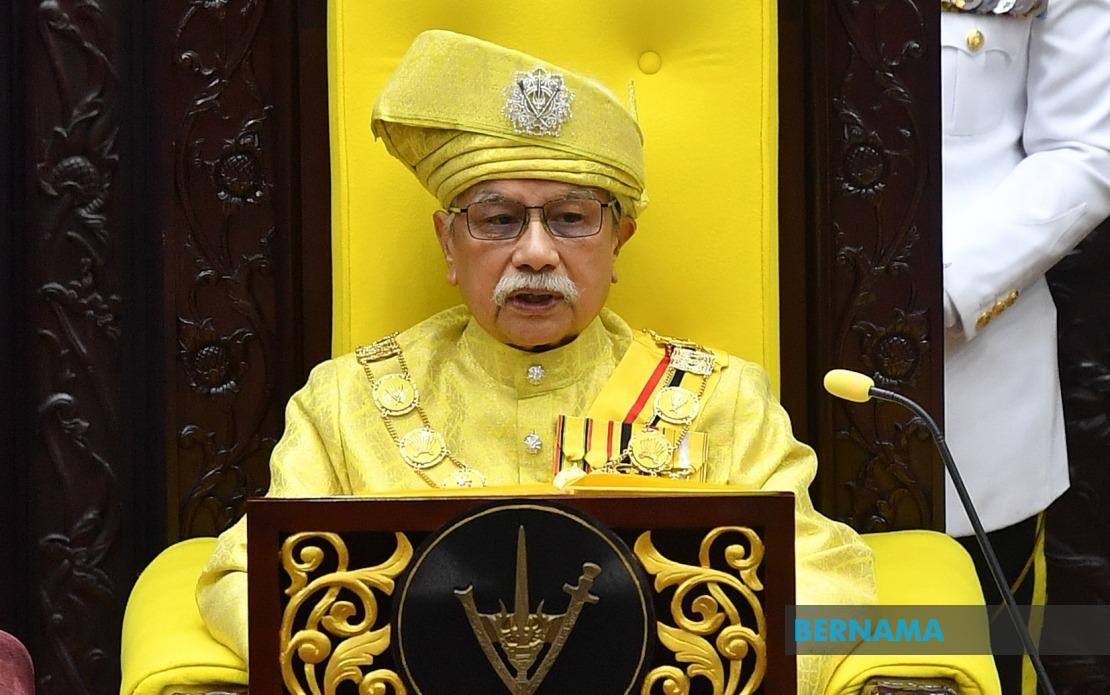
Tuanku Muhriz Tuanku Munawir, the Yang Dipertuan Besar of Negeri Sembilan, has consented to conduct a formal royal audience ceremony this Saturday at Istana Besar Seri Menanti to formalise the installation of the new Undang of Luak Rembau. The royal approval was announced by Tunku Besar Seri Menanti, Tunku Ali Redhauddin Tuanku Muhriz, following his meeting with Rembau's adat leaders at the istana in Kuala Pilah.
Hassan Ab Hamid, 67, has been appointed as the 22nd Undang of Rembau through the established customary selection procedures known as the Adat Perpatih system. The ceremony scheduled for this weekend, formally titled Istiadat Menghadap Menjunjung Duli Bagi Menyempurnakan Kejadian Undang Luak Rembau, will mark the culmination of a selection process that commenced following the death of the previous Undang, Datuk Lela Maharaja Datuk Muhamad Sharip Othman, who passed away on May 15, 2024, at the age of 83.
Tunku Ali Redhauddin conveyed his father's blessing for the ceremony and urged the adat leadership to coordinate administrative details with the Orang Empat Istana, the four palace officers responsible for court affairs. He expressed confidence that all preparations would conclude without complications, underscoring the palace's support for the traditional process that has sustained Negeri Sembilan's governance structure for centuries.
A critical clarification emerged from Datuk Juan Datuk Zulkipli Shamsudin, chairman of the Kerapatan Buapak Delapan ceremony for the Biduanda Nan Dua Carak customary clan, who emphasised that the selection of an Undang operates fundamentally differently from standard royal appointments. Under the Adat Perpatih system that governs Negeri Sembilan's nine administrative districts or luaks, the process remains democratically anchored within individual communities rather than emanating from centralised royal authority.
The distinction carries profound constitutional significance for Malaysian readers unfamiliar with Negeri Sembilan's unique governance model. Unlike the Rukun Negara framework where hereditary sultans exercise considerable executive power in other states, the Undang represents a vestigial democratic institution wherein community members collectively identify their representative through consensus and customary ritual. This arrangement reflects pre-colonial Minangkabau political traditions that prioritised collective decision-making over autocratic rule.
Zulkipli explicitly rejected characterisations suggesting that the Yang Dipertuan Besar actively selects or appoints Undangs according to personal preference. Instead, the ruler's constitutional role remains ceremonial and validatory—he receives delegations from the luak when they seek formal recognition and, where adat requires, extends royal acknowledgment to the community's collective decision. This separation between selection and recognition preserves the integrity of customary institutions while maintaining the symbolic supremacy of monarchical authority, a delicate constitutional balance maintained throughout Negeri Sembilan's modern history.
The Adat Perpatih system represents a living inheritance from Minangkabau matrilineal societies, where property and social status traditionally descended through female lineages and community leadership emerged from consensus rather than patrimonial succession. Though modified considerably through British colonial administration and post-independence constitutional frameworks, the system's core mechanisms endure—particularly the concept of collective validation through adat ceremonies and the primacy of community consent in determining leadership. Hassan Ab Hamid's selection therefore represents not a modern administrative appointment but rather the activation of deeply rooted customary legitimacy.
For Malaysia's broader governance architecture, Negeri Sembilan's institutional arrangements offer instructive counterpoints to the centralised sultanate models that characterise other states. The state constitution, adopted upon independence, explicitly recognises the Undang as primary custodian of adat traditions and titular head of each luak. While the Yang Dipertuan Besar retains ceremonial primacy and certain executive functions, the Undang's authority—derived from community selection rather than royal conferment—provides constitutional legitimacy that transcends mere delegation from the throne.
The timing of this ceremonial formalisation carries logistical significance beyond ceremonial protocol. Vacancies in the Undang position create administrative ambiguity regarding which individual exercises customary authority, influences community decisions on matters from land inheritance to conflict resolution, and represents the luak in inter-district councils. Hassan Ab Hamid's formal installation therefore concludes a period of institutional incompleteness and restores the full complement of Rembau's adat governance infrastructure.
The Istana Besar Seri Menanti ceremony will bring together the Datuk-Datuk Adat—the collective of adat leaders representing Rembau's constituent clans and family groupings—alongside state officials and potentially representatives from adjacent luaks. Such public rituals serve multiple functions within Negeri Sembilan's political culture: they formally authenticate decisions reached through extended deliberation, they reconnect the wider community with customary procedures that might otherwise fade from public consciousness, and they demonstrate that modern state institutions and ancient adat traditions coexist as complementary rather than contradictory governing frameworks.
For Southeast Asian observers, Negeri Sembilan's institutional arrangements demonstrate possibilities for harmonising customary sovereignty with constitutional monarchy. Rather than viewing indigenous governance systems as vestigial remnants destined for extinction through modernisation, the state has instead integrated adat institutions into its formal constitutional architecture. This integration suggests alternative pathways for reconciling traditional community authority with centralised state power—a particular relevance to other Malaysian states and regional governments wrestling with questions of indigenous governance rights and customary land tenure.
The ceremony this Saturday ultimately represents far more than a routine administrative transaction. It embodies the ongoing negotiation between Malaysia's Islamic constitutional framework, its monarchical institutions, and its surviving pre-Islamic customary traditions. Hassan Ab Hamid's formal installation as the 22nd Undang of Rembau will therefore reinforce important constitutional precedents: that selection through adat does not require royal appointment, that the community's collective voice retains legitimacy independent of centralised authority, and that Negeri Sembilan's constitutional pluralism continues functioning as originally conceived at independence.

