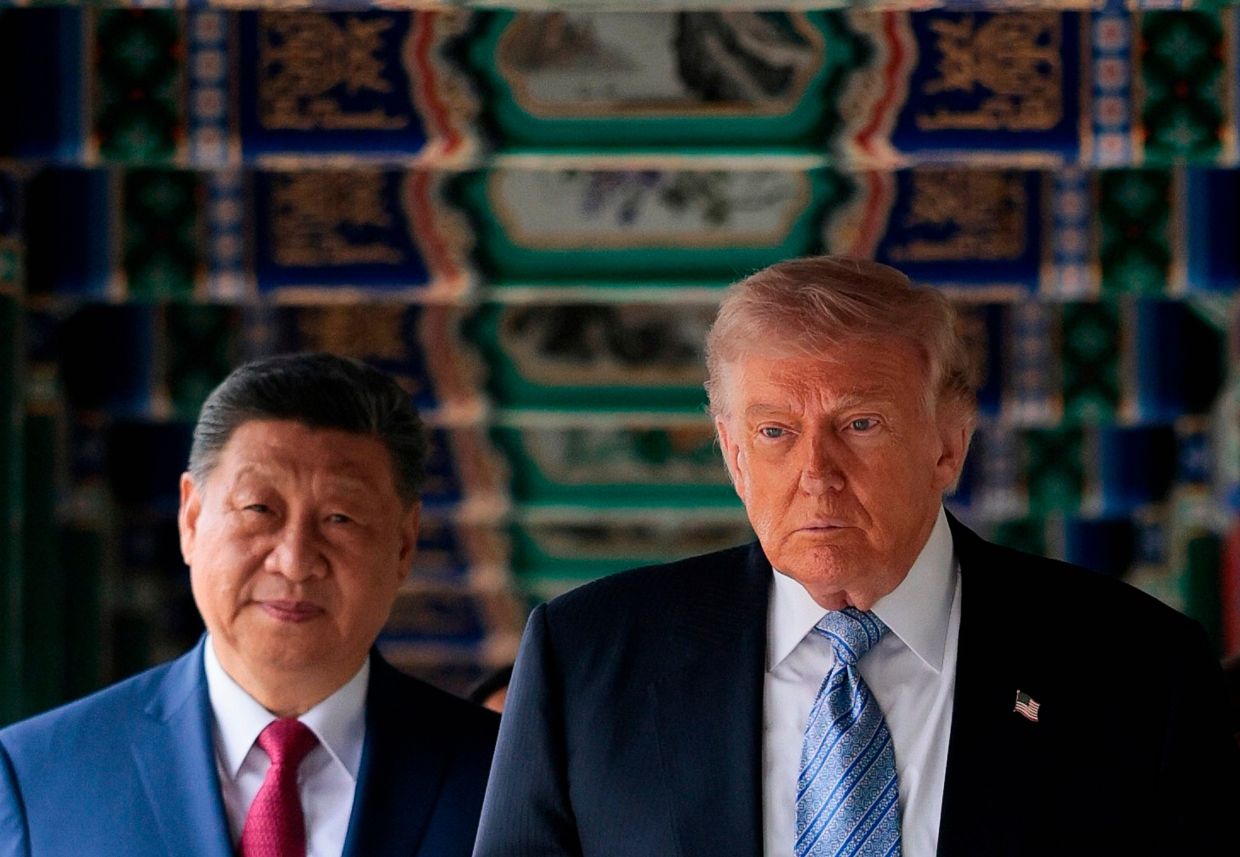
President Trump's approach to China remains characterised by sharply contrasting public statements and diplomatic gestures, with his latest comments on alleged Chinese weapons transfers to Iran serving as the latest illustration. Speaking on Wednesday, Trump suggested he would find reports of Chinese military supplies to Tehran surprising, yet tempered his criticism by noting that Xi Jinping had personally assured him during their May meeting in Beijing that China would not assist Iran. The apparent contradiction underscores the tension between Trump's combative rhetoric and his eagerness to maintain functional relations with China's leadership as the two powers navigate a complex geopolitical landscape.
The weapons supply allegations emerged from reports indicating that military equipment valued between US$60 million and US$70 million would be transported from western China through Pakistan to Iran. China's Foreign Ministry swiftly denied the claims on Thursday, dismissing them as entirely without foundation while reasserting Beijing's commitment to de-escalation efforts in the Middle East conflict. This denial follows a similar pattern from earlier in the year when China rejected accusations of supplying arms to Iran ahead of Trump's May visit to Beijing, suggesting a consistent diplomatic playbook for addressing such allegations.
Trump's measured response to the weapons reports reveals his faith in personal diplomatic relationships. He stated that Xi had told him "very strongly" during their Beijing meeting that China would not participate in arming Iran, and that he was taking the Chinese leader at his word. Yet the American president also included a pointed caveat, warning that if China did in fact provide weapons to Iran, it would be "very bad for them – certainly not in their best interests." This combination of trust and implicit threat reflects Trump's strategy of maintaining cordial personal relations with Xi while reserving the option of severe consequences should China breach its commitments.
The broader context of this exchange includes Trump's lengthy attack on Anthony Fauci, the long-serving American health official, delivered through his social media platform on Wednesday. Trump resurrected his long-standing theory that Covid-19 originated in a Wuhan laboratory, accusing Fauci of consistently attempting to "protect China" by disagreeing with the laboratory leak hypothesis. These attacks reinforce Trump's narrative about Chinese responsibility for the pandemic, a claim that remains contentious within the scientific community, where broader consensus leans toward natural spillover from animals rather than laboratory origin.
For Malaysia and Southeast Asian nations, these dynamics carry significant implications. The region has sought to maintain balanced relationships with both Washington and Beijing while managing economic dependencies and security concerns. Trump's unpredictable signalling toward China creates uncertainty for regional partners attempting to navigate great power competition. The allegations regarding Chinese weapons transfers to Iran also touch on broader Middle Eastern concerns that affect energy security and regional stability in ways that reverberate through Asian markets.
The contradiction between Trump's rhetoric and actions becomes even starker when examining his administration's response to alleged Chinese interference in American elections. Merely twelve days before his sympathetic comments toward Xi, Trump had delivered a prime-time address accusing Beijing of perpetrating "the largest compromise of election data in history," claiming that China had unlawfully obtained 220 million American voter files. He declassified documents purporting to support these claims and warned of an "unprecedented election security nightmare" posed by Chinese cyber operations.
Yet despite these grave allegations, Trump's administration has taken no concrete action against China in response. There have been no new sanctions imposed, no additional trade penalties implemented, and no enhanced diplomatic consequences announced since that dramatic speech. Instead, the administration has proceeded with planning for Xi Jinping's scheduled visit to the United States on September 24, suggesting that electoral security concerns, while worth publicising, do not supersede Trump's interest in maintaining positive relations with China's leadership.
This pattern of fierce public accusations paired with diplomatic continuity has become the defining characteristic of Trump's China policy. Earlier statements from Trump demonstrated this inconsistency, with the president claiming that China and Russia were not "participating" in the Iran conflict, directly contradicting the weapons supply allegations that emerged days later. Trump had emphasised his belief in Xi's word regarding non-interference in Iran, yet simultaneously issued veiled warnings about the consequences of Chinese assistance to Tehran.
The approaching Xi visit in late September will serve as a crucial test of whether Trump's personal relationship with the Chinese leader can withstand the accumulating tensions and allegations. Regional observers in Southeast Asia will be watching closely to assess whether the visit produces concrete outcomes or merely reinforces the pattern of expansive rhetoric followed by minimal enforcement. The visit's success or failure could influence how regional powers calibrate their own China policies and whether they should anticipate deeper American engagement in Asian security matters or continued unpredictability.

