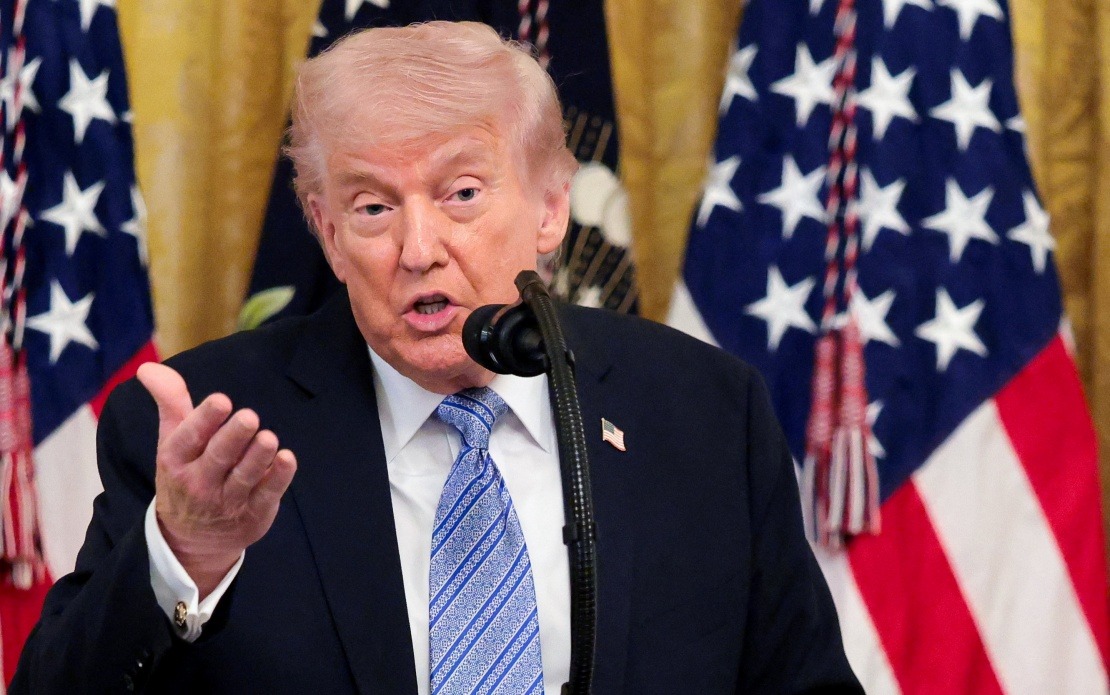
In a significant escalation of US-Iran tensions, President Donald Trump announced on Tuesday that Washington has severed all active diplomatic discussions with Tehran and has no negotiations scheduled. The declaration, posted on Truth Social, represents a dramatic reversal from recent months when senior US officials had engaged in what they described as constructive communications with the Iranian government, raising hopes among some analysts for a breakthrough on regional security issues.
Trump's abrupt termination of talks follows what sources describe as a strategic recalibration within his administration. Rather than pursuing immediate military or economic confrontation, the White House has adopted what officials characterise as a longer-term containment approach aimed at exhausting Iran's resources and capacity to project power across the Middle East. This methodical pressure strategy represents a more calculated approach than the aggressive short-term options that had dominated earlier policy discussions among Trump's senior advisors.
The timing of Trump's announcement is particularly significant given recent diplomatic activity. Just days earlier, Jared Kushner, the president's son-in-law and a key envoy, had described US-Iran communications as unusually robust and substantive. Kushner was in Israel meeting with Prime Minister Benjamin Netanyahu to coordinate regional policy when he made these optimistic remarks to Fox News, suggesting that back-channel discussions were progressing meaningfully. The abrupt pivot away from this trajectory suggests internal disagreements about whether engagement serves American strategic interests.
The instruction to Vice President JD Vance and envoys Steve Witkoff and Jared Kushner to halt all negotiations came as surprising news to observers tracking the diplomatic situation. According to reporting from CNN, Trump made this directive after acknowledging that some positive momentum had emerged in recent conversations with Iranian representatives. The decision to interrupt promising talks indicates either that Trump received intelligence suggesting Iranian bad faith or that he has concluded that sustained isolation serves American objectives more effectively than negotiation.
Trump's statement also emphasised Washington's military posture in the Persian Gulf region. He declared that the naval blockade of Iran remains fully operational and that the critical Strait of Hormuz continues functioning under American oversight. His specific assertion that water mines have been removed or detonated indicates recent military operations designed to maintain maritime security and freedom of navigation in one of the world's most strategically important waterways. This reassurance appears directed at international shipping interests and regional allies concerned about disruption to energy supplies.
The broader context for this policy shift involves a complex recent history of escalation and de-escalation. Earlier this year, Tehran and Washington had reached a ceasefire agreement in April, followed by a memorandum of understanding in June that both sides presented as a framework for ending their military conflict and establishing a durable peace arrangement. These agreements suggested that despite years of hostility, both capitals recognised mutual benefits in reducing the risk of major warfare. However, the fundamental disagreements that have characterised US-Iran relations proved too deep to overcome within this diplomatic window.
The collapse of these accords last month exposed the fragility of any arrangement not backed by underlying strategic consensus. After a period of tense military exchanges where both countries launched strikes against each other, Trump made the unexpected decision to halt the bombardment campaign unilaterally. Observers initially interpreted this pause as a gesture toward reviving negotiations, but subsequent developments have proven this assessment premature. The new hardline posture suggests Trump concluded that continued warfare without resolution simply inflicts costs on both sides without advancing American goals.
For Malaysia and other Southeast Asian nations, this development carries significant implications. The Middle East remains a critical region for regional trade routes, energy supplies, and strategic stability. Intensified US-Iran tensions introduce uncertainty into markets and diplomatic arrangements that Asian economies depend upon. Malaysia's position as a maritime nation with substantial commerce flowing through the Persian Gulf and Strait of Hormuz makes regional security dynamics directly relevant to national interests. Prolonged confrontation between Washington and Tehran could disrupt shipping, elevate insurance costs, and create pressures on smaller nations to align with one superpower or another.
The shift toward sustained pressure rather than immediate confrontation also reflects broader American strategic thinking about managing great power competition. Rather than exhausting American military capacity through protracted direct conflict, the Trump administration appears to prefer a strategy of imposing costs on Iran over an extended timeframe while preserving American flexibility and resources. This approach assumes that economic and diplomatic isolation will eventually force Iranian concessions, though historical evidence suggests such strategies often require years or decades to produce results and frequently fail entirely.
The involvement of Netanyahu in these policy discussions underscores the Israeli dimension of American Iran strategy. Israel has long viewed Iranian military capabilities and regional influence as existential threats and has pushed for stronger American action. Kushner's trip to coordinate with Netanyahu suggests that Israeli security concerns remain central to shaping administration decisions about Iran policy. For regional stability, the convergence of American and Israeli positions against Iranian influence creates a locked dynamic unlikely to produce diplomatic breakthroughs in the foreseeable future.
The contrasting assessments within the Trump administration about engagement with Iran reveal uncertainty about optimal strategy. Trump's top officials had apparently believed that continued dialogue offered opportunities to achieve American objectives through negotiation, yet the president has now rejected this path. This inconsistency creates confusion for Iranian leadership about Washington's actual intentions and reliability as a negotiating partner, potentially making future agreements more difficult even if Trump reverses course again.
Moving forward, the likely trajectory appears to involve sustained American military presence in the Persian Gulf, maintenance of economic sanctions and isolation, and continued coordination with regional allies like Israel and Gulf states. Trump's message to Iran and to international observers is that Washington retains both the military capacity and political will to enforce its regional preferences through coercive means. Whether this strategy ultimately advances American interests or produces unintended consequences remains unclear, but the decision to terminate active negotiations suggests American policymakers have concluded that the benefits of isolation outweigh risks of continued confrontation.

