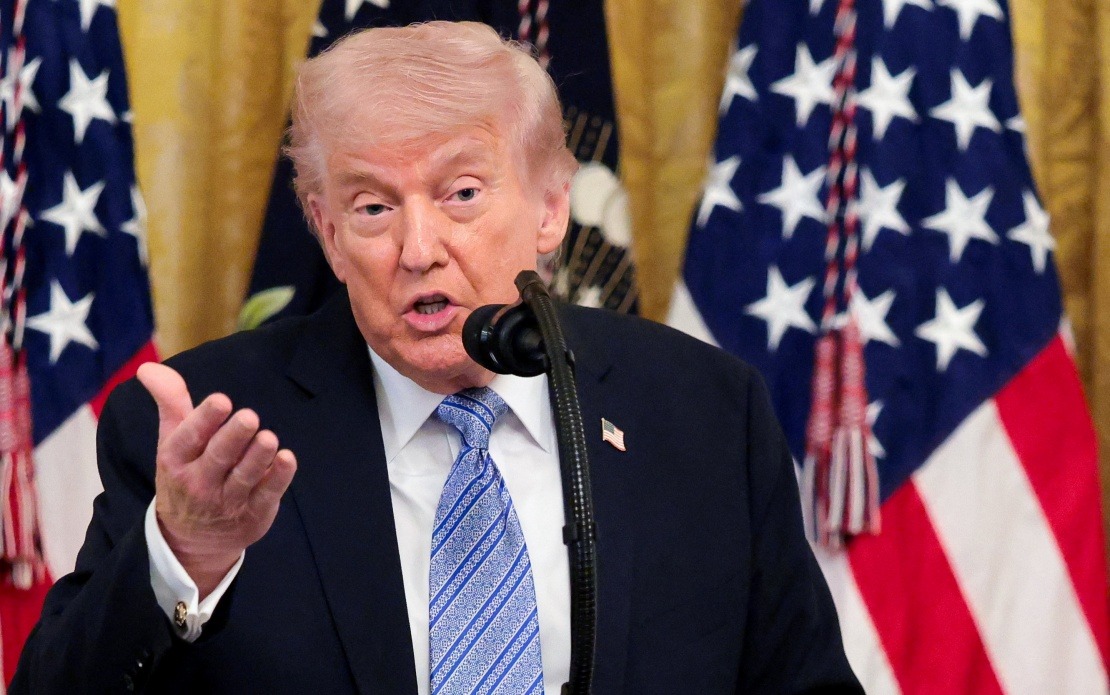
Donald Trump has set his sights on FIFA President Gianni Infantino as a potential successor to current UN Secretary-General Antonio Guterres, according to reports citing sources close to the US president. The nomination represents an unconventional choice for one of the world's most influential diplomatic positions, elevating a sports administrator into the highest echelons of international governance. If realised, the appointment would mark a dramatic departure from the traditional trajectory of UN leadership, which has historically drawn from seasoned diplomats and career foreign service officials.
Trump's enthusiasm for the 56-year-old Swiss-born football executive stems from his conviction that Infantino possesses exceptional interpersonal abilities and commands respect across the global stage. According to the Trump camp, Infantino demonstrates a remarkable capacity to forge consensus among diverse and often competing interests—a quality the president deems essential for navigating the complex landscape of international relations. The mutual affinity between Trump and Infantino developed considerably during this year's World Cup, where the FIFA president made deliberate efforts to cultivate the relationship with the American leader.
Infantino's courtship of Trump extended beyond mere diplomatic pleasantries. In December, the FIFA chief presented Trump with FIFA's inaugural Peace Prize, a symbolic gesture designed to underscore their shared commitment to resolving international conflicts. This honour served as a visible marker of their deepening rapport and suggested a strategic alignment between the sports leader and the US political establishment. The award ceremony appeared designed to elevate Infantino's profile within Trump's inner circle and position him as a figure capable of bridging divides.
The timeline for any such appointment remains flexible but structured. The successor to Guterres will commence a five-year term commencing January 1, 2027, providing ample time for the diplomatic machinery to operate. However, navigating the UN's appointment process presents formidable obstacles that extend far beyond presidential preference. The UN Charter's Article 97 establishes a formal procedure whereby the Security Council's 15 members must recommend a candidate to the General Assembly, which subsequently votes on the appointment.
The veto power wielded by the Security Council's five permanent members—the United States, Russia, China, France, and Britain—constitutes the primary hurdle for any candidate. Any of these nations can unilaterally block an appointment, regardless of broader international consensus. For Infantino, securing unanimous approval among this exclusive group would require unprecedented diplomatic coordination. Russia and China, in particular, have demonstrated increasing willingness to exercise their veto power to advance geopolitical interests, making their consent far from assured.
Trump's push for a new UN leadership reflects his longstanding dissatisfaction with the organisation's effectiveness in addressing major global crises. The president has repeatedly voiced criticism regarding the UN's apparent inability to meaningfully intervene in significant international conflicts, from the Middle East to Eastern Europe. This skepticism extends beyond rhetorical posturing—Trump has implemented substantive policy shifts that underscore his disenchantment with multilateral institutions.
Since returning to office, the Trump administration has substantially curtailed American financial contributions to the UN and orchestrated withdrawal from multiple UN-affiliated bodies, most notably the World Health Organization. Last year, Trump established the US-led Board of Peace, an initiative that stirred speculation about potential replacement of UN mechanisms with American-controlled alternatives. The administration subsequently denied such claims, but the creation of parallel diplomatic structures signals deep-seated reservations about the UN's capacity to advance US interests.
For Southeast Asian nations and Malaysia specifically, Infantino's potential elevation carries implications worth examining. The region has historically benefited from UN frameworks for addressing transnational challenges, from maritime security to environmental governance. A secretary-general from a sports administration background might prioritise different policy areas than career diplomats, potentially reshaping the UN's agenda priorities. Additionally, Infantino's close alignment with Trump could shift UN diplomacy further toward American interests, potentially marginalising the concerns of smaller nations that have traditionally relied on the UN as a counterbalance to great power dominance.
The football administrator's experience navigating FIFA's complex stakeholder ecosystem—including national federations, continental confederations, commercial partners, and competing political interests—does offer genuine parallels to UN leadership. FIFA's governance challenges have included allegations of corruption, environmental concerns, and labour rights disputes, demanding the kind of diplomatic finesse and consensus-building that Infantino has demonstrated. Whether such sector-specific expertise translates meaningfully to global diplomatic governance remains an open question among international relations specialists.
Yet significant resistance to Infantino's appointment appears inevitable. European nations, which have traditionally supplied UN leadership, may view the nomination as threatening their historical influence over the organisation. Developing nations might perceive the choice as reinforcing Western dominance of international institutions. Furthermore, Infantino's tenure at FIFA has drawn criticism from various quarters, including human rights organisations concerned about labour standards in World Cup host nations and environmental advocates worried about tournament impacts.
The formal UN selection process has typically involved extensive consultation among Security Council members, candidate vetting, and careful negotiation to build consensus. Trump's public announcement of his preference, if accurate, represents an unusually direct intervention that could complicate rather than facilitate Infantino's path to the office. International diplomacy traditionally favours behind-the-scenes negotiation over public declarations of support.
Infantino has not publicly commented on his reported nomination, maintaining diplomatic silence befitting his current position. Should he formally emerge as a candidate, his campaign would require navigating unprecedented political terrain—defending his FIFA record while simultaneously distancing himself from appearing as Trump's instrument at the UN. This balancing act would test whether his acclaimed consensus-building abilities extend beyond the realm of international sports administration.

