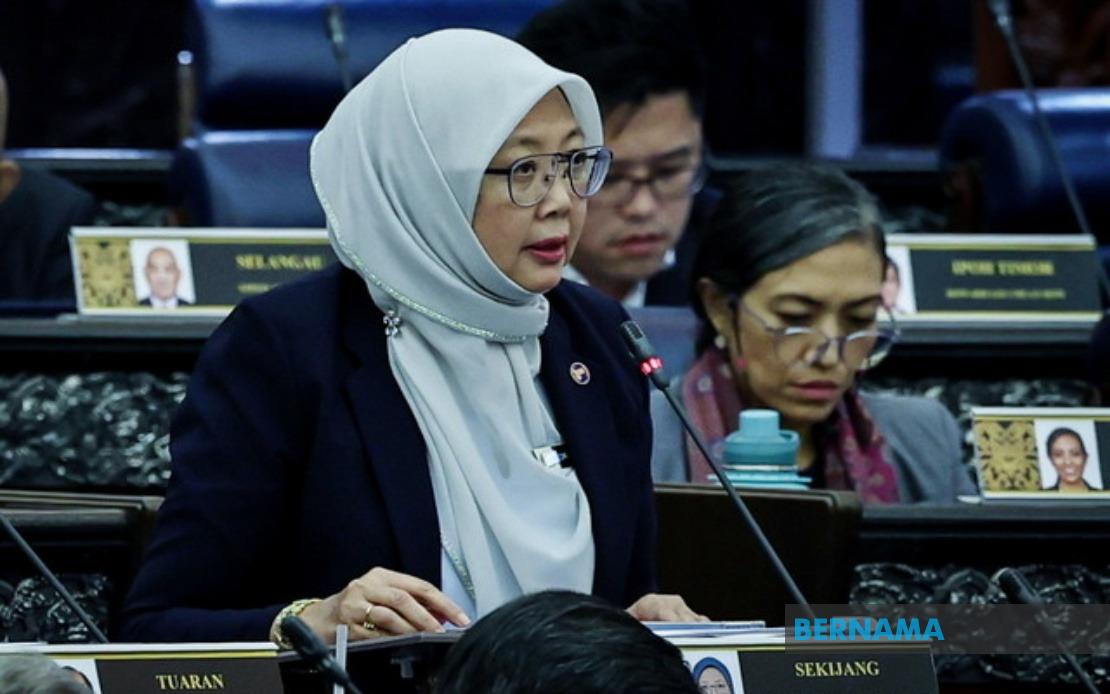
The need for transparency in Tabung Haji's recovery has become increasingly urgent, with a prominent member of Parliament arguing that comprehensive disclosure of reform efforts is essential to restore public confidence in the institution. Datuk Seri Dr Zaliha Mustafa, chairman of the Government Backbenchers Club and MP for Sekijang, made the call during parliamentary debate on the Royal Commission of Inquiry report, emphasising that Malaysians deserve detailed information about which of the 25 RCI recommendations have been fully implemented, which remain incomplete, and what timelines govern their completion.
The Tabung Haji crisis represents one of the most significant institutional failures affecting the Muslim community in recent years. As the primary vehicle through which millions of Malaysian Muslims save for the haj pilgrimage, the organisation's collapse between 2014 and 2020 breached a fundamental trust. The RCI's investigation, formally presented to the Yang di-Pertuan Agong in August 2022, laid bare systemic weaknesses in management, governance, and operational oversight. Yet the 211-page report remained confidential for nearly two years before public release, leaving depositors and the broader Malaysian community with incomplete understanding of what transpired and what remedies were being pursued.
Dr Zaliha's proposal for a formal public accounting of implementation progress addresses a critical governance gap. As of late July this year, Tabung Haji had completed implementation of 75 per cent of the RCI's recommendations, according to official figures. However, this headline statistic obscures crucial details: which recommendations constitute the completed portion? What obstacles have slowed progress on the remaining 25 per cent? What resources and timeframes will be required to achieve full compliance? Without transparent presentation of these specifics to Parliament and the public, the figure becomes merely a reassuring narrative rather than substantive evidence of institutional reform.
Equally pressing is the absence of public information regarding loss recovery efforts. Tabung Haji suffered catastrophic financial losses driven by misguided investments and poor governance decisions. The institution has undertaken various recovery initiatives, yet Malaysians lack clarity on the magnitude of recoverable assets, the status of asset recovery litigation, and realistic timelines for restoration of depositor funds. This information vacuum feeds public anxiety and erodes confidence in management's competence to restore financial health.
Central to the RCI's findings was the role of political interference in Tabung Haji's decline. The inquiry identified that electoral pressures preceding a general election drove fateful decisions that accelerated the institution's financial deterioration. This politically-motivated mismanagement strikes at the heart of institutional integrity. Dr Zaliha's emphasis on this finding is particularly significant because it challenges those who invoke Muslim unity as justification for avoiding accountability. Defending individuals responsible for decisions that harmed Muslims' accumulated savings contradicts genuine communal interests, she argued. True unity must rest on accountability, not its avoidance.
The role of former chairman Datuk Seri Abdul Azeez Abdul Rahim merits particular scrutiny. Beyond his formal chairmanship, he held positions across multiple Tabung Haji subsidiaries and related entities, blurring lines of authority and creating potential conflicts of interest. Although nominally non-executive, he exercised substantial influence over major investment decisions. Dr Zaliha specifically queried the extent of his involvement in critical negotiations and called for government clarification on this point. Additionally, she raised an allegation regarding substantial cash holdings—reportedly reaching RM170 million at one point—in accounts associated with the former chairman, demanding official confirmation or refutation.
These governance questions reflect broader concerns about whether Tabung Haji's leadership structure and internal controls have genuinely been reformed. The RCI's recommendations presumably address such vulnerabilities, yet without public disclosure of which governance reforms have been implemented, Parliament and depositors cannot assess whether safeguards preventing recurrence have genuinely been established. This is not merely academic accountability; it directly affects whether Malaysians can confidently resume contributing their savings to the institution.
The debate also illuminated tensions between institutional prestige and institutional accountability. Tabung Haji holds profound symbolic importance for Malaysian Muslims, serving as custodian of savings dedicated to one of Islam's five pillars. This sacred trust demands exceptionally rigorous governance standards. Yet the very reverence surrounding the institution may have inadvertently shielded it from scrutiny and accountability mechanisms that might have prevented or arrested the crisis. Moving forward, protecting Tabung Haji's role requires subordinating deference to institutional leaders to rigorous examination of their stewardship.
The political economy of the Tabung Haji crisis also carries implications beyond the institution itself. If electoral considerations can override prudent management of Muslims' savings, what other public institutions might similarly face pressure to make financially unsound decisions for political advantage? The RCI's finding on this issue provides a cautionary lesson about the dangers of subordinating fiduciary responsibility to electoral calendars. Stronger institutional independence and clearer accountability mechanisms could prevent such compromises across the public sector.
Dr Zaliha's intervention demonstrates that parliamentary scrutiny remains vital even after formal inquiries conclude. The RCI process was thorough and its findings were serious. However, parliamentary debate and public accountability do not end with the inquiry report's submission. Ongoing monitoring of implementation progress, vigorous questioning of officials responsible for executing reforms, and transparent reporting to the public constitute the essential follow-through that transforms inquiry findings into genuine institutional change. Without this sustained attention, even the most comprehensive recommendations risk becoming ornamental rather than transformative.
The path toward restoring confidence in Tabung Haji runs through transparency. Malaysians who entrusted the institution with their hajj savings deserve detailed knowledge of what went wrong, what is being done to prevent recurrence, and what progress has been achieved in rebuilding financial stability. Full public disclosure of RCI implementation status and loss recovery efforts is not merely a matter of political preference; it constitutes a fundamental obligation owed to depositors whose savings remain at stake. As Dr Zaliha has argued, providing this information to Parliament and the public represents an essential step toward genuine institutional rehabilitation.

