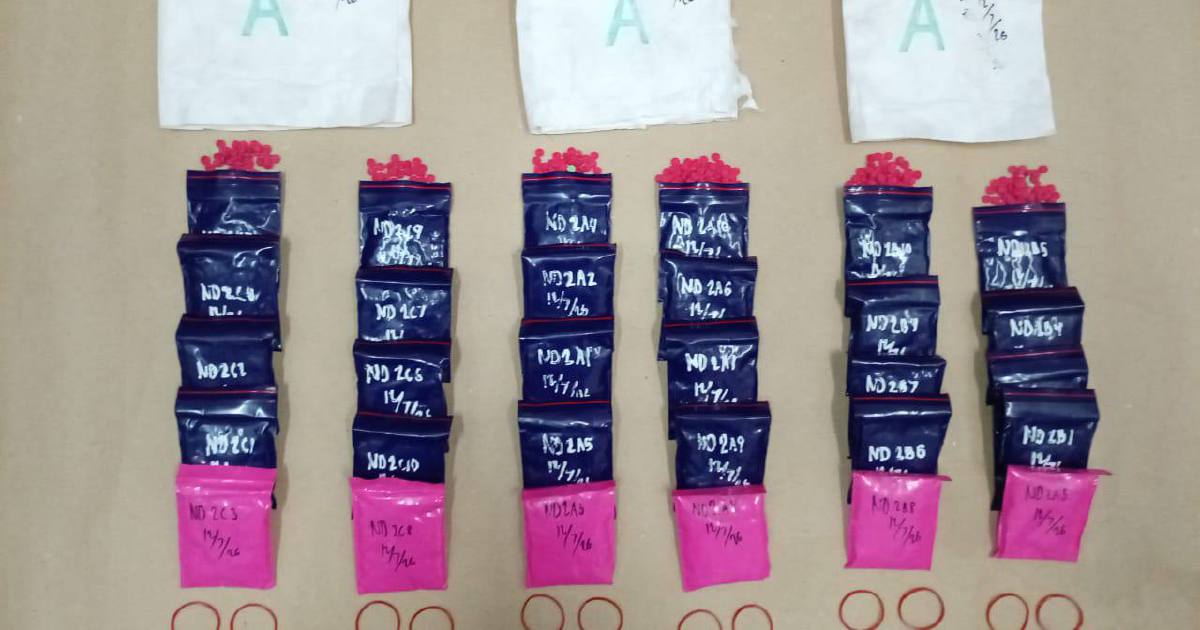
Police in Kelantan have arrested a 35-year-old tow truck operator after discovering a substantial cache of yaba pills during an operation in the Tumpat area. The seizure, which took place on Jalan Kubang Batang near Wakaf Bharu, involved the confiscation of 6,000 pills valued at approximately RM60,000. The discovery underscores the ongoing presence of methamphetamine-based stimulants in Malaysia's distribution networks, with the towing industry providing cover for illicit activities.
The arrest highlights how criminal organisations continue to exploit service-related businesses as fronts for drug trafficking operations. Tow truck services, which require frequent movement across state boundaries and interact with a diverse clientele, present opportunities for concealing contraband during legitimate roadside activities. The suspect's occupation would have afforded natural cover for possessing vehicles and moving between locations without arousing immediate suspicion, a tactic increasingly employed by trafficking networks seeking to evade detection.
Yaba, also known as "crazy medicine," remains a significant narcotics concern throughout Southeast Asia, particularly in Malaysia. These tablets typically contain methamphetamine mixed with caffeine and other substances, and command high street values due to sustained demand among stimulant users. The drug presents particular challenges for enforcement agencies because tablets are easily transported, concealable, and difficult to identify without laboratory analysis, making them a preferred commodity for smugglers operating across the Thailand-Malaysia border region.
Kelantan's position as a northern state bordering Thailand places it squarely within established trafficking corridors. The state has consistently recorded elevated seizures of methamphetamine products and yaba pills, reflecting its geography and the established supply routes from northern production centres. The Tumpat and Wakaf Bharu areas, though administratively distinct, fall within interconnected distribution zones that feed narcotics southward into major population centres. This arrest reflects ongoing police presence in known trafficking hotspots, though the frequency of large seizures suggests supply remains robust.
The RM60,000 valuation placed on the seized pills indicates the substantial profit margins driving involvement in this trade. At street level, individual yaba tablets typically retail for RM15 to RM25 each, depending on regional demand and supply conditions. A consignment of 6,000 pills therefore represents significant financial incentive for individuals willing to assume distribution risks. For a tow truck operator, the prospect of generating this volume of income through a single transaction would substantially exceed legitimate earnings, explaining the attraction of drug trafficking despite associated legal consequences.
This incident occurs amid broader enforcement campaigns against narcotics trafficking in Malaysia. The country faces mounting pressure from transnational drug smuggling networks that exploit its geographic position and infrastructure. Yaba specifically has emerged as a priority concern following intelligence indicating rising recreational use among younger demographics and integration into nightlife settings. The spike in yaba seizures across Malaysian states over recent years reflects both increased police targeting and genuine growth in trafficking volumes attempting to satisfy expanding consumer bases.
The arrest mechanism—discovering pills concealed within a vehicle rather than during border interdiction—reveals the challenges narcotics authorities face once drugs enter the domestic distribution system. By the point of domestic seizure, the contraband has typically passed through border checkpoints and entered established supply chains. Earlier intervention at ports of entry remains difficult, requiring sustained intelligence efforts and cross-border cooperation with Thai authorities. Domestic enforcement thus serves primarily a disruption function, attempting to fragment supply networks and increase operational costs for traffickers.
Investigation into the suspect's operations will likely reveal additional details about sourcing, intended distribution destinations, and involvement of other individuals within the trafficking chain. Malaysian police typically pursue comprehensive inquiries into drug-related arrests, targeting upstream suppliers and downstream dealers to dismantle entire operational networks rather than addressing individual transactions. The tow truck occupation suggests possible connections to transportation specialists or logistics coordinators who facilitate movement between borders and major distribution hubs.
This case exemplifies the persistent threat posed by methamphetamine-based products across Malaysia and Southeast Asia. Despite enforcement efforts and international cooperation frameworks, yaba and related stimulants continue flowing through regional markets. Success in disrupting individual trafficking operations, while valuable for immediate public safety objectives, produces limited impact on overall availability without addressing underlying supply conditions and production capacity in source countries. The substantial seizure value and operational sophistication suggest these remain attractive targets for organised criminal groups willing to assume calculated risks in pursuit of high-margin contraband trade.

