President Jose Ramos-Horta of Timor-Leste boarded a Batik Air flight from Kuala Lumpur International Airport early today, concluding a five-day special visit that underscored the growing partnership between the two Southeast Asian nations. The Nobel Peace Prize laureate's departure marks the end of an intensive diplomatic engagement that saw him meet with Malaysian leadership and address regional forums on contemporary geopolitical challenges and shared values.
The visit represented a significant moment in Timor-Leste's regional integration following its accession to ASEAN as the bloc's eleventh member on October 26, 2025. Ramos-Horta took the opportunity to express gratitude for Malaysia's instrumental backing during the country's membership bid, particularly during Malaysia's tenure as ASEAN chair. This acknowledgment underscores how bilateral relationships continue to shape each nation's broader Southeast Asian standing and influence within regional organizations.
During a keynote dialogue session on June 15 titled "A Changing World, Enduring Values," Ramos-Horta characterised the relationship between Timor-Leste and Malaysia as "exceptionally good," reflecting genuine warmth in official circles. His remarks highlighted Malaysia's notable accomplishments in maintaining democratic institutions, strengthening security frameworks, and achieving sustained economic development—achievements that resonate with Timor-Leste's own development priorities as a relatively young nation.
Ramos-Horta's assessment of bilateral ties carried historical weight, as he specifically commended Malaysia's consistency in supporting Timor-Leste since the latter's independence in 2002. The President extended particular appreciation for Malaysia's peacekeeping contributions in 1999, a critical period when international intervention helped stabilize Timor-Leste during its transition to independence. Such historical recognition demonstrates how Southeast Asian nations continue to build contemporary partnerships on foundations of mutual support through previous regional crises.
Prime Minister Datuk Seri Anwar Ibrahim hosted a formal luncheon at Seri Perdana to honour the visiting president, providing a platform for substantive discussions on expanding cooperation across multiple domains. The bilateral agenda covered trade expansion, investment facilitation, human capital development initiatives, educational exchanges, and technical training programmes. These conversations reflect both nations' recognition that sustainable relationships require diversified engagement across economic, social, and knowledge-transfer dimensions.
Current trade figures reveal significant potential for deepening commercial ties. In 2024, bilateral trade totalled USD18.72 million, with Malaysian exports reaching USD18.37 million against minimal imports of USD0.35 million from Timor-Leste. The imbalance suggests untapped opportunities for Timorese products in Malaysian markets and indicates where future trade agreements might focus, particularly in sectors where Timor-Leste possesses comparative advantages.
Ramos-Horta made a compelling pitch to Malaysian investors to explore opportunities in Timor-Leste's infrastructure sector, leveraging several attractive fundamentals. The nation maintains low sovereign debt levels and possesses a robust sovereign wealth fund, positioning it favourably against regional peers for large-scale infrastructure projects. The President's investment overture suggests Timor-Leste's confidence in its economic management and awareness that Malaysian expertise in project finance and construction could accelerate development timelines.
A particularly ambitious commitment emerged regarding regional leadership responsibilities. Ramos-Horta expressed confidence that Timor-Leste would be adequately prepared to host the ASEAN Regional Forum in 2029, with infrastructure and facilities being prioritized to meet hosting standards. This aspiration carries implications beyond ceremonial significance; successfully hosting major regional gatherings enhances diplomatic prestige and demonstrates capacity for managing complex international events, factors that strengthen a nation's voice within regional councils.
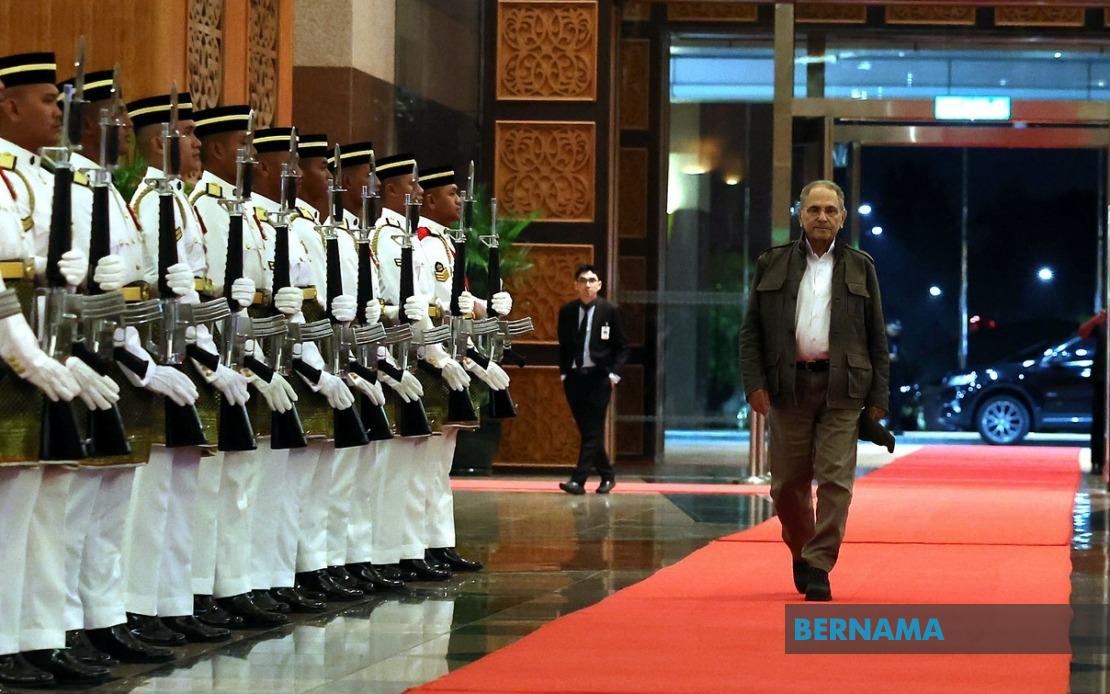
The diplomatic sequence, culminating in Ramos-Horta's departure via a formal military Guard of Honour comprising officers and personnel from the First Battalion Royal Ranger Regiment, reflected Malaysia's respect for the visiting dignitary and the importance accorded to the bilateral relationship. Such ceremonial elements, while formal, communicate political priority to international observers and domestic audiences alike.
For Malaysia, Ramos-Horta's visit represents an opportunity to strengthen relationships with a strategically positioned neighbour whose resource wealth and investment needs align with Malaysian capabilities in finance, engineering, and project management. For Timor-Leste, cultivating deepened ties with an established ASEAN member provides practical templates for regional integration, access to technical expertise, and potential capital partnerships. The visit crystallizes how ASEAN's newest member is actively leveraging older partnerships to accelerate its development agenda while contributing to broader regional stability and prosperity.
The five-day engagement demonstrates that Southeast Asian diplomacy continues to function through sustained personal engagement and reciprocal recognition of mutual interests. As Timor-Leste settles into its ASEAN role and prepares for future regional hosting responsibilities, relationships like those with Malaysia become foundational infrastructure for successful integration and collective regional progress.