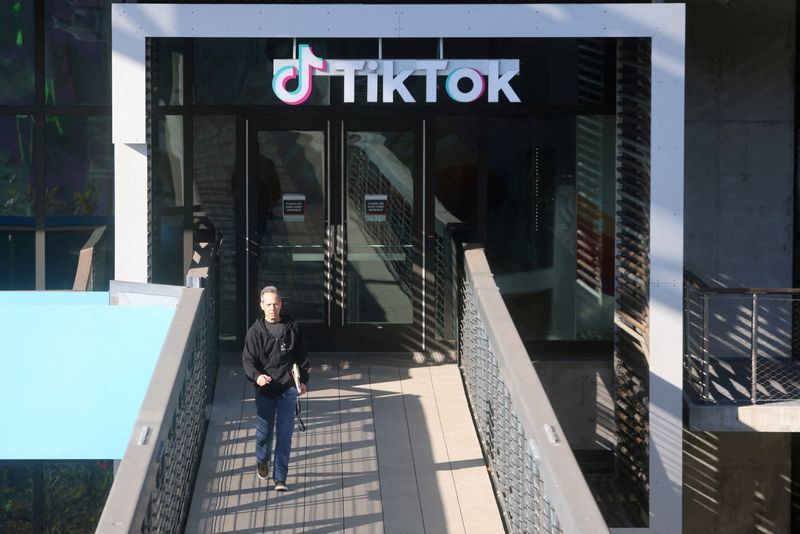
TikTok has agreed to settle a lawsuit filed by a minor alleging that the short-video platform caused significant damage to his mental health, according to Morgan & Morgan, the law firm representing the young plaintiff. The agreement was reached in principle on Tuesday, though the specific financial and non-monetary terms remain under negotiation and have not yet been finalized. This settlement represents another milestone in the growing wave of litigation against major social media companies over their alleged contribution to deteriorating mental health outcomes among children and teenagers.
The case centres on a 15-year-old boy identified as R.K.C., who hails from Florida and is one of multiple young people bringing claims against technology platforms in California state court. According to court documents, R.K.C. began using social media applications at approximately eight years old and subsequently developed what he characterised as an addiction. The plaintiff alleges he experienced significant sleep deprivation, depression, and anxiety symptoms that he directly attributes to his excessive engagement with these platforms.
TikTok's decision to settle comes strategically timed before what is anticipated to become the second full trial in this series of cases. The initial proceeding against YouTube, owned by Google, concluded with a settlement reached in June. Two other major defendants—Instagram, operated by Meta, and Snapchat, owned by Snap Inc.—remain on the trial calendar for July, suggesting the litigation trajectory will likely continue regardless of individual settlements.
The broader context of these cases reflects mounting societal concern about social media's architectural design features and their psychological impact on young users. Mental health professionals and researchers have increasingly documented correlations between intensive social media usage and rising rates of adolescent anxiety, depression, and suicidal ideation. Platforms are being scrutinised for incorporating algorithmic recommendation systems, infinite scroll functionality, and notification features designed to maximise user engagement—mechanisms that critics argue exploit neurobiological vulnerabilities in developing brains.
For Malaysian parents and policymakers, this litigation pattern carries particular significance. While Malaysia has not yet witnessed comparable class-action suits, the country's youth are among the world's most intensive social media consumers. Recent studies suggest Malaysian teenagers spend substantial daily hours on platforms including TikTok, Instagram, and Snapchat, raising similar concerns about mental health impacts that are now playing out in American courtrooms. The outcomes of these settlements and trials may influence how Malaysian regulators approach content moderation and platform accountability standards.
The use of settlement agreements in these cases raises important questions about transparency and precedent. When companies reach confidential settlements with individual plaintiffs, the terms and any admissions of wrongdoing often remain sealed from public view. This can create asymmetrical information environments where subsequent plaintiffs lack knowledge of comparable compensation amounts or whether defendants have acknowledged specific harms. The pattern of sequential settlements without public trials may ultimately limit the jurisprudential clarity that could emerge from contested courtroom proceedings.
TikTok's willingness to settle despite the plaintiff representing only one individual case suggests the company may be calculating that defending against a parade of individual trials carries greater financial and reputational risk than negotiated exits. The platform, already facing scrutiny over data privacy concerns and algorithmic transparency in multiple jurisdictions including the United States, may view settling youth mental health claims as part of broader damage mitigation strategy rather than an admission of specific wrongdoing.
The remaining trials scheduled for July will prove crucial in establishing precedent. Instagram and Snapchat's decisions—whether to settle or contest the allegations—will significantly shape the liability landscape for technology platforms. If juries find in favour of plaintiffs or if additional settlements occur, the cumulative effect could substantially increase the financial exposure facing all social media companies and potentially catalyse regulatory responses globally, including in Southeast Asia.
Malaysian regulators and child welfare advocates should monitor these proceedings closely. The evidence presented in trials regarding platform design features, internal research on youth addiction, and documented mental health harms will likely inform future policy discussions around platform regulation in Malaysia. Whether through industry self-regulation, legislative restrictions on algorithmic recommendation systems for minors, or mandatory mental health impact assessments, the trajectory established by these American lawsuits may eventually influence how Malaysia addresses youth protection in digital spaces.

