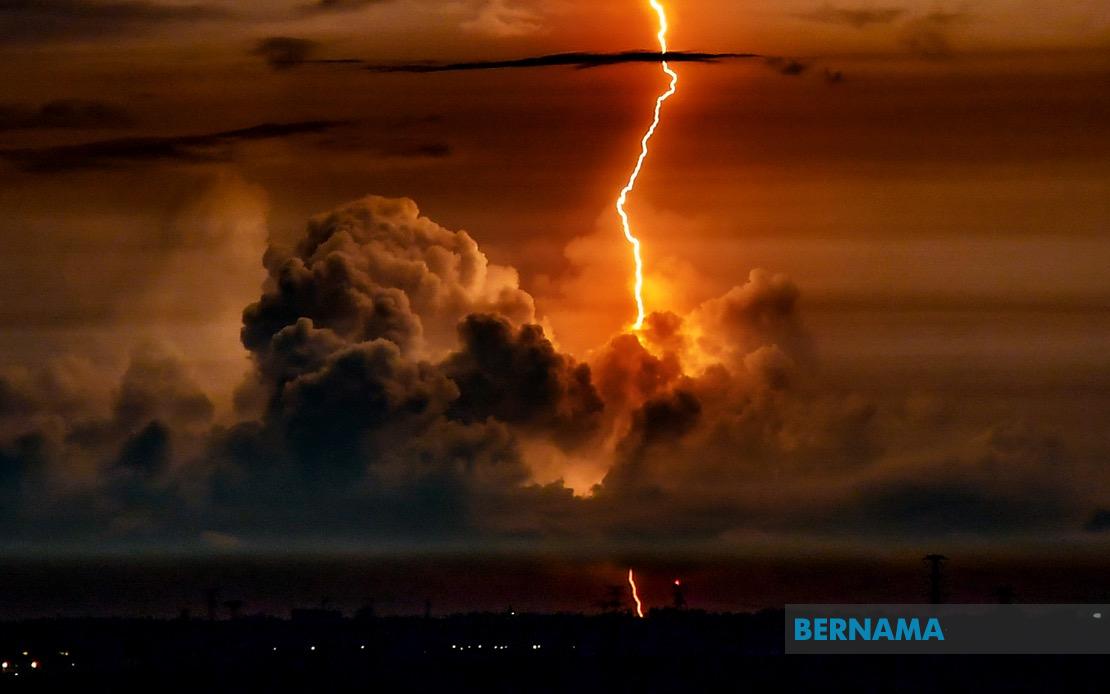
The Malaysian Meteorological Department has activated weather alerts across a significant swathe of the country, cautioning residents in 10 states and the Federal Territories of Kuala Lumpur, Putrajaya and Labuan to prepare for severe thunderstorms, torrential rainfall and dangerous wind gusts through 5 pm. The precautionary measure reflects the volatile weather pattern sweeping across the peninsula and Borneo, with forecasters expecting unstable atmospheric conditions to persist throughout the day.
Northern Peninsular Malaysia faces particular vulnerability, with all five northern states falling under the alert zone. Perlis, Kedah, Penang and portions of Perak are expected to experience the full brunt of the stormy conditions. In Perak specifically, the affected districts encompass a broad arc from Kerian in the north through to Kinta in the south, including major population centres such as Ipoh's surrounding areas and the coastal region of Hilir Perak. These communities should anticipate disruptions to transport networks and potential flash flooding in low-lying areas.
The central region faces mounting weather concerns, with Selangor bearing the brunt of the forecast instability. Densely populated zones including Kuala Lumpur, Klang, Petaling and Gombak fall within the warning area, raising the prospect of traffic congestion and urban flooding in areas with inadequate drainage infrastructure. The Federal Territory of Kuala Lumpur, home to Malaysia's bustling commercial and administrative heart, remains on high alert. Commuters and residents should exercise caution during the afternoon peak period, as visibility may diminish sharply during intense downpours.
Pahang's interior mountainous regions and coastal areas have been flagged for the same severe weather threat. The economically important zones of Kuantan and Pekan, along with the highland tourist destination of Cameron Highlands, fall within the warning parameters. Negeri Sembilan's districts of Jempol and Jelebu, whilst smaller in population, require equal preparedness as terrain in these areas can exacerbate water runoff and flooding risks. Southern Peninsular Malaysia is not entirely spared, with the Segamat region of Johor included in the advisory.
East Malaysian territories face comparable weather hazards, with Sarawak experiencing widespread alert coverage across its disparate zones. The divided warning zones suggest that differing microclimatic patterns may develop across this large state. Mukah, Miri, Bintulu and the sprawling Sibu division—encompassing towns such as Selangau and Kanowit—represent major population and economic centres that should brace for service disruptions. The coastal regions of Kuching and Bau, alongside interior Sarikei and Kapit divisions, remain under close meteorological surveillance.
Sabah's interior and west coast regions, including the state capital Kota Kinabalu and surrounding districts of Papar, Putatan and Penampang, enter the warning period alongside the Sandakan division. These areas experience frequent atmospheric volatility, yet the combination of thunderstorms and heavy precipitation warrants heightened vigilance. Communities in Keningau, Tambunan and Tenom across the interior highlands should be particularly cautious, as mountainous terrain channels water rapidly and increases flood risk for settlements downstream.
The comprehensive nature of this weather alert demonstrates the broad-based atmospheric instability affecting the region. Unlike localised thunderstorm warnings affecting limited districts, this advisory blankets multiple states and territories simultaneously, indicating a more substantial weather system influencing Southeast Asian air masses. Residents and businesses should activate their standard severe weather protocols, including securing loose outdoor items, avoiding unnecessary travel during peak storm hours, and monitoring local weather updates for real-time information.
Public authorities in affected states have typically pre-positioned emergency response teams and equipment in anticipation of potential flooding, landslides or transport accidents stemming from adverse conditions. Drainage authorities in urban centres have been advised to clear waterways and monitor critical low-lying zones. Schools and government offices may implement flexible operations procedures to accommodate the volatile conditions, though widespread closures typically depend on whether conditions deteriorate beyond current forecasts.
The timing of the alert—through 5 pm—suggests meteorologists expect the severe weather phase to conclude by early evening, though localised showers may persist afterward. Residents should remain vigilant during this window, as sudden thunderstorms with intense precipitation can develop with minimal warning. Once the formal alert expires, conditions should gradually stabilise, though some communities may experience residual flooding requiring extended drainage time.
For Malaysian citizens and businesses, such weather alerts represent an important call to heightened situational awareness rather than cause for alarm. The meteorological department's track record of issuing timely and accurate warnings has proven valuable for disaster risk reduction. Those in vulnerable professions—construction workers, outdoor delivery personnel, and agricultural operatives—should consider suspending non-essential activities during the alert period. By evening, forecasters anticipate clearer atmospheric conditions returning across the peninsula and Borneo.

