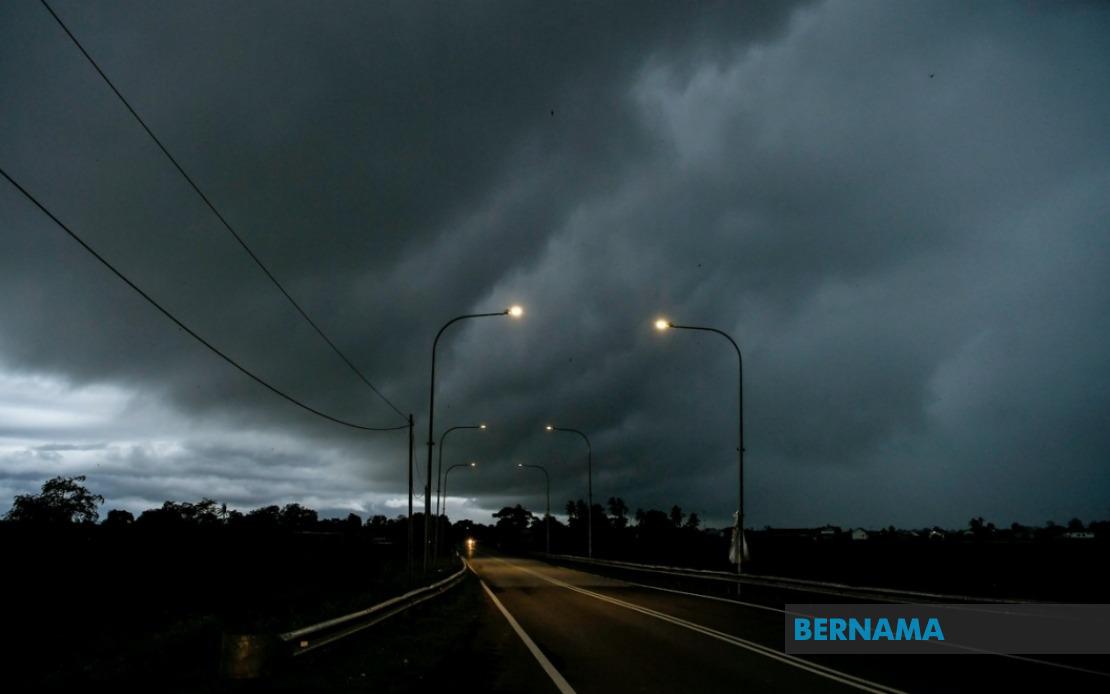
Malaysia's Meteorological Department has activated severe weather alerts across a broad swath of the country, cautioning residents in nine states and the federal territory of Labuan to prepare for thunderstorms, intense rainfall and powerful winds that are forecast to continue through the evening of June 18. The advisory, which carries implications for transportation, outdoor activities and general public safety, underscores the seasonal vulnerability of Malaysia's diverse geography to sudden atmospheric disturbances during the monsoon transition period.
The northern region faces particularly widespread exposure, with the entire state of Perlis placed under alert. In Kedah, the warning encompasses the popular tourist destination of Langkawi alongside inland districts including Kubang Pasu, Kota Setar, Pokok Sena, Padang Terap, Sik and Baling. Perak's alert zone stretches across eight administrative divisions: Kerian, Larut, Matang and Selama, Kuala Kangsar, Kinta and Kampar, indicating the peninsula's western corridor remains vulnerable to incoming weather systems. These northern and central regions frequently experience convergent wind patterns during seasonal transitions, making them susceptible to rapid cloud formation and electrical activity.
The eastern peninsula is not spared from the meteorological department's assessment. Pahang has been warned regarding three specific districts—Cameron Highlands, Bentong, and the coastal pair of Bera and Rompin—areas known for their topographic complexity and susceptibility to orographic lifting effects that intensify rainfall. The warning also extends into Selangor's Hulu Langat region, the densely populated heartland surrounding the capital, where flooding in low-lying areas remains a recurring concern during heavy precipitation events. This inclusion signals potential disruption to major commercial and residential zones.
Negeri Sembilan's inland districts of Jelebu and Jempol have been flagged, while Johor's warning encompasses Segamat, Kluang and Mersing. The southern state's inclusion reflects the monsoon system's reach across the peninsula's longest north-south axis. These alerts carry practical significance for commuters traversing major highways connecting these districts and for agricultural communities dependent on predictable weather patterns.
East Malaysia faces extensive exposure as well. In Sarawak, the warning blankets numerous divisions including Kuching (with specific mention of Bau), Serian, Samarahan (Samarahan and Asajaya), Sarikei's Meradong region, Sibu, Mukah's coastal Tanjung Manis area, Kapit (Song and Kapit), Bintulu (Tatau and Sebauh), Miri's interior Marudi zone and Limbang. This comprehensive alert reflects Sarawak's position along the monsoon corridor and its vulnerability to cumulative moisture-laden air masses flowing across Brunei and surrounding regions.
Sabah, Malaysia's easternmost state, similarly faces widespread warnings affecting interior districts including Sipitang, Kuala Penyu, Beaufort and Tambunan, along with the west coast corridor and Sandakan's interior divisions of Tongod and Kinabatangan. The breadth of Sabah's inclusion indicates the meteorological department's assessment that incoming systems are affecting the entire state rather than isolated pockets, a scenario with consequences for farming communities, shipping operations and the tourism sector.
The simultaneous multi-state alert pattern suggests a coherent weather system rather than isolated convective activity, likely driven by low-pressure zones or monsoonal convergence. Such widespread simultaneous warnings typically precede significant rainfall events and warrant serious preparation, particularly in areas with flood-prone topography or inadequate drainage infrastructure. Residents in affected zones should secure outdoor items vulnerable to wind damage and monitor water accumulation in nearby drainage systems.
The temporal limitation—persistence through 9 pm—provides a defined window for preparation and suggests meteorological confidence in the system's timeline. However, Malaysian weather patterns frequently extend beyond official forecast windows, and prudent residents should maintain alert status beyond the stated deadline. The combination of three distinct hazards—electrical activity, water volume and kinetic wind force—presents compounded risk, particularly for outdoor workers, drivers and those near water bodies.
Businesses operating across these zones should implement contingency protocols, including securing cargo, delaying non-essential transport and briefing employees on indoor shelter procedures. The warning's geographic specificity to individual districts rather than blanket state-wide alerts reflects MetMalaysia's increasingly granular forecasting capability, allowing affected residents to distinguish between immediate personal risk and broader regional conditions.
For the broader Malaysian context, such multi-state warnings during transition periods between monsoon seasons remain commonplace but warrant serious rather than routine attention. The state of meteorological science has improved significantly, yet sudden weather escalation—including lightning strikes, flash flooding and wind-driven debris—continues to cause injuries and fatalities across Southeast Asia each year. Public familiarity with official warnings and appropriate response behaviours remains inconsistent across the population.
This advisory highlights the importance of maintaining situational awareness regarding seasonal weather patterns, particularly for households with vulnerable populations including young children, elderly members or those with medical conditions. Communities should establish informal alert networks ensuring isolated or elderly residents receive warning information promptly. The convergence of multiple simultaneous hazards—thunder, rain and wind—demands proactive rather than reactive response, with the early evening timing suggesting peak vulnerability during commute hours when road accidents become more probable.
Residents should monitor subsequent updates from MetMalaysia as conditions develop, recognising that initial forecasts often evolve as atmospheric systems move and interact with local topography. The comprehensive geographic scope of this warning reflects the reality that Malaysia's position within the equatorial zone, combined with its maritime exposure and complex orography, creates persistent vulnerability to rapidly intensifying weather systems throughout the year.

