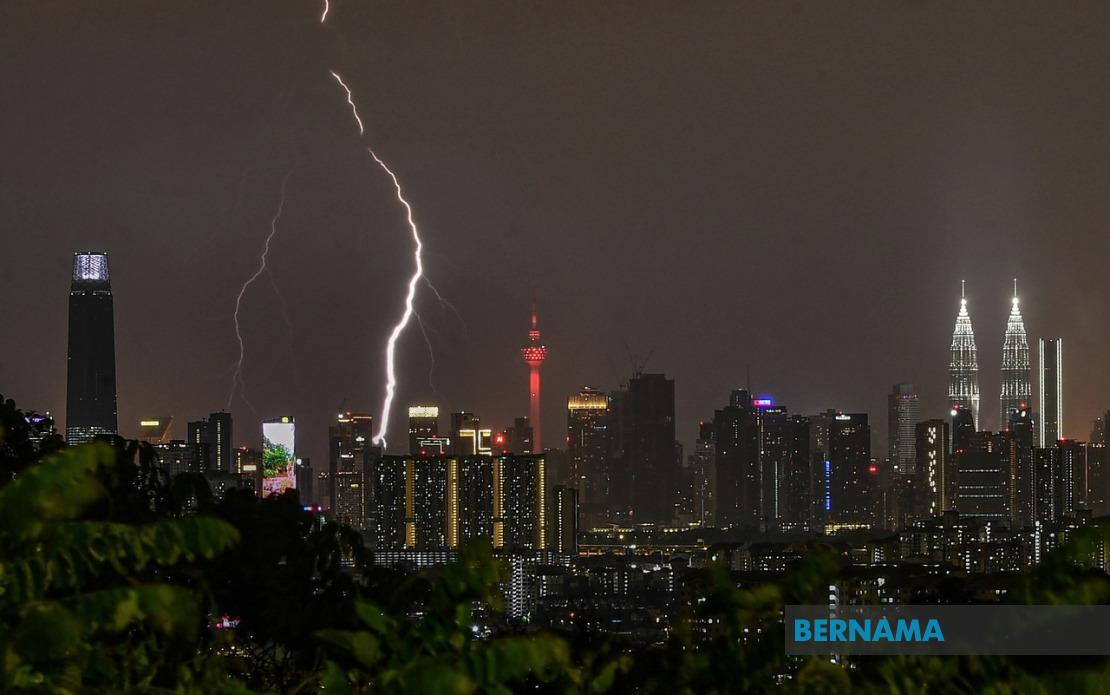
Malaysia's Meteorological Department has cautioned the public about an imminent spell of severe weather conditions sweeping across the Klang Valley and several states across Peninsular Malaysia. The advisory, released at 2 pm on Thursday, outlined expectations of thunderstorms accompanied by substantial rainfall and gusty winds affecting the region until 5 pm. Residents and travellers across the affected zones should prepare for potential disruptions to daily activities and exercise heightened vigilance during the warning period.
The alert extends to two states in their entirety. Melaka and Penang face the full brunt of the developing weather system, with no district or municipality exempted from the warning. Both states, which have seen significant population growth and urbanisation over recent years, are particularly vulnerable to flash flooding in low-lying areas, making this alert especially relevant for residents in coastal and valley settlements.
In Kedah, five districts have been flagged as vulnerable zones. Kuala Muda, Sik, Baling, Kulim and Bandar Baharu represent a significant swath of the state's agricultural and residential areas, encompassing both rural farming communities and urban centres. These regions, which depend substantially on natural drainage systems and riverways, require heightened preparedness given the forecasted intensity of rainfall.
Perak's exposure proves even more extensive, with fifteen separate administrative areas coming under the warning. The affected districts span from the western corridor through Kerian, Larut, Matang and Selama to the more densely populated central zones including Kuala Kangsar and Kinta, alongside the southern reaches through Kampar, Batang Padang and Muallim. This geographic spread indicates a broad weather system capable of impacting both tin-mining heritage areas and contemporary urban zones simultaneously.
Pahang's eastern districts have similarly been identified as concerning. Cameron Highlands, the state's principal hill station and tourism destination, faces potential disruption alongside the mineral-rich interior regions of Lipis and Raub. Coastal and riverine areas including Pekan and Rompin round out the affected zones, where estuarine communities and agricultural operations could face temporary displacement or damage from surge conditions accompanying heavy precipitation.
The Klang Valley and surrounding Selangor regions present perhaps the greatest concern for potential impact. Seven separate areas within Malaysia's economic heartland—Sabak Bernam, Kuala Selangor, Hulu Selangor, Klang, Gombak, Petaling and Hulu Langat—collectively house millions of residents, substantial manufacturing infrastructure, and critical transportation arteries. Disruptions here ripple across the entire nation's economic activity. The Klang River corridor, which has historically flooded during intense rainfall episodes, remains a particular flashpoint warranting close monitoring.
Negeri Sembilan and Johor face more localised but still significant exposure. Jelebu district in Negeri Sembilan, situated in the state's interior hill country, joins six Johor districts—Tangkak, Segamat, Muar, Batu Pahat, Kluang and Mersing—under advisory. These southern zones, spanning from interior highlands to the east coast, represent crucial agricultural and tourism sectors that seasonal weather patterns substantially influence.
The meteorological authority's primary recommendation centres on sustained public vigilance and continuous monitoring of updated forecasts. Weather systems of this classification can intensify or shift trajectory with limited notice, transforming advisory areas or escalating warning levels. Residents should remain connected to official channels rather than relying on informal sources, which often propagate misinformation during weather emergencies. Emergency services across affected states have presumably heightened readiness protocols in anticipation of potential incidents.
For commuters and business operators, the afternoon timeframe presents immediate practical challenges. Rush-hour traffic coincides with peak weather conditions, potentially creating hazardous driving circumstances across highways and urban arterials. Visibility reduction, aquaplaning risks, and debris hazards from wind damage constitute legitimate safety concerns warranting delayed departure or alternative routing where feasible. Industrial operations dependent on outdoor work face productivity constraints as worker safety guidelines typically mandate indoor repositioning during thunderstorm conditions.
The broader context of Malaysia's weather patterns reflects the nation's tropical climate character, where monsoonal transitions and inter-monsoon periods generate recurring episodes of severe atmospheric instability. While individual thunderstorm systems prove relatively short-lived—this alert's five-hour duration exemplifies typical progression—cumulative rainfall from sequential systems during active monsoon phases can precipitate flooding situations exceeding single-event impacts. Communities in identified vulnerable zones should maintain drainage infrastructure vigilance and household preparedness measures as routine practices rather than reactive responses.
For Malaysian readers, this alert underscores the importance of integrated weather monitoring in daily planning. The meteorological department's increasingly sophisticated forecasting capabilities enable earlier warnings than previously possible, yet public engagement with these alerts remains inconsistently distributed across demographic segments. Urban professionals may readily access smartphone notifications, while rural populations and informal settlements often operate with incomplete information access, creating disparate preparedness levels that emergency management authorities continually work to address through community education initiatives.

