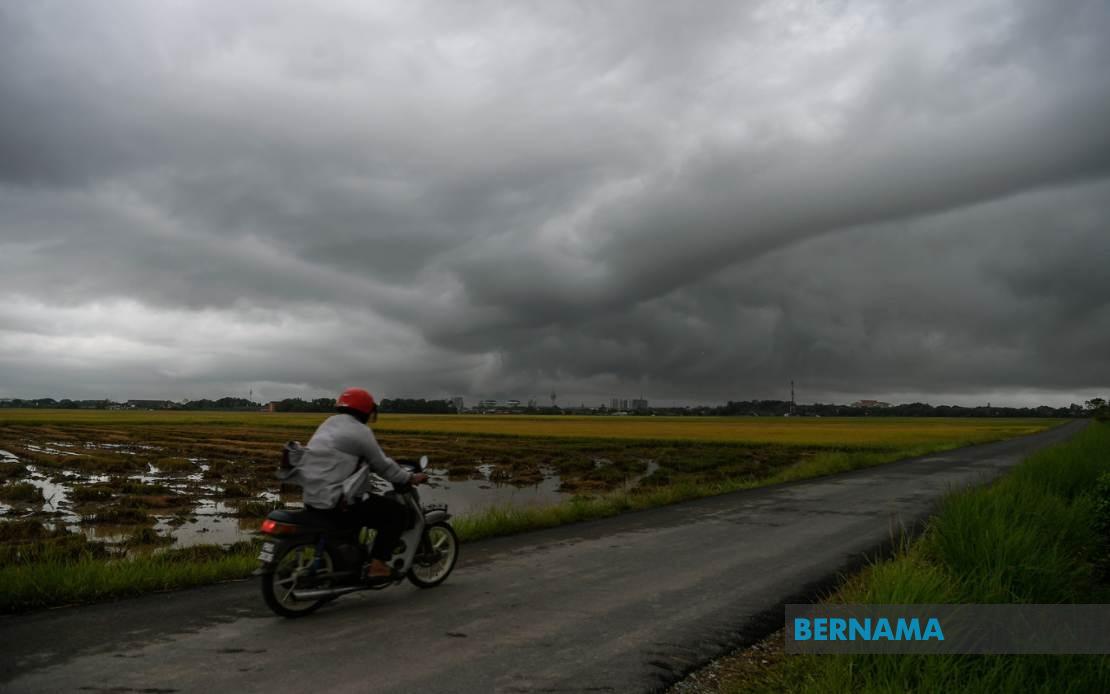
The Malaysian Meteorological Department has activated multiple weather alerts covering significant portions of the peninsula and East Malaysia, with residents in eight states advised to prepare for thunderstorms, torrential rain, and strong winds before conditions stabilize around 6 pm today. The advisory spans both densely populated urban centres and more remote districts, indicating the broad geographical reach of this weather system sweeping across the country.
On the peninsula, the northern state of Kedah faces the most extensive alert, with five districts placed under warning: Kota Setar, Yan, Pendang, Kuala Muda, and Sik. These areas, which include the state capital and surrounding agricultural regions, are particularly vulnerable to flooding given their terrain and proximity to water sources. Perak, Malaysia's largest state by area, has two districts on alert—Manjung, the coastal industrial zone, and Perak Tengah—where heavy precipitation could disrupt both commercial and residential activities.
Terengganu's Kemaman district, located on the east coast, joins the growing list of affected regions, a pattern that underscores how the weather system is tracking across multiple state boundaries. The east coast corridor has experienced increasing severe weather episodes in recent years, prompting heightened vigilance among residents and emergency services. Kuantan in neighbouring Pahang, one of Malaysia's largest cities, is also under alert, making this alert significant for one of the peninsula's major economic hubs and transport junctions.
In Selangor, Malaysia's most populous state, Hulu Langat—the sprawling southeastern district encompassing densely populated suburbs and upland farming communities—is positioned to receive significant rainfall. This district's topography and rapidly expanding urban footprint create compounded risks during severe weather, as drainage infrastructure in newer settlements sometimes struggles to cope with sudden downpours. Negeri Sembilan contributes two districts to the warning: Jelebu and Seremban, with the latter being the state capital and administrative centre.
East Malaysia is not spared from the adverse conditions. In Sarawak, authorities have flagged Sarikei in the Sibu division and Mukah in the Tanjung Manis and Daro areas as likely impact zones. These regions, which depend heavily on river transport and agriculture, face particular challenges when rainfall intensifies. Sabah's alert encompasses three separate geographical zones, illustrating the system's extensive reach across the state. The Interior Division districts of Keningau and Tambunan, primarily rural areas, are joined by the West Coast Division's Papar and Penampang, which sit close to Kota Kinabalu and experience rapid development. Sandakan's Kinabatangan district, located on the eastern coast, completes the Sabah advisory.
The timing of this warning during daylight hours provides residents with the advantage of visibility when preparing their homes and securing outdoor items. Commuters should anticipate disruptions to traffic flow, with visibility reduced during the heaviest downpours and potential flooding in low-lying areas. Schools and workplaces in affected regions may need to adjust schedules, and outdoor activities should be postponed until conditions improve.
Emergency response teams across the affected states have likely already mobilized to ensure readiness for incidents related to flooding, lightning strikes, or wind damage. The concentration of warnings across such diverse regions—from the industrialized northwest to the agricultural east coast to the remote interior of East Malaysia—demonstrates how weather systems can create nationwide disruption despite Malaysia's tropical climate providing residents with considerable experience managing such phenomena.
Residents in these areas are advised to monitor updates from MetMalaysia, avoid unnecessary travel, refrain from driving through flooded roads, and ensure drainage channels around their properties remain clear. The afternoon deadline for the warning suggests that evening commutes should proceed with increased caution, though conditions should gradually stabilize as the system moves through. This type of localized severe weather, while disruptive, is part of Malaysia's monsoon weather patterns and typically resolves within hours rather than persisting for extended periods.

