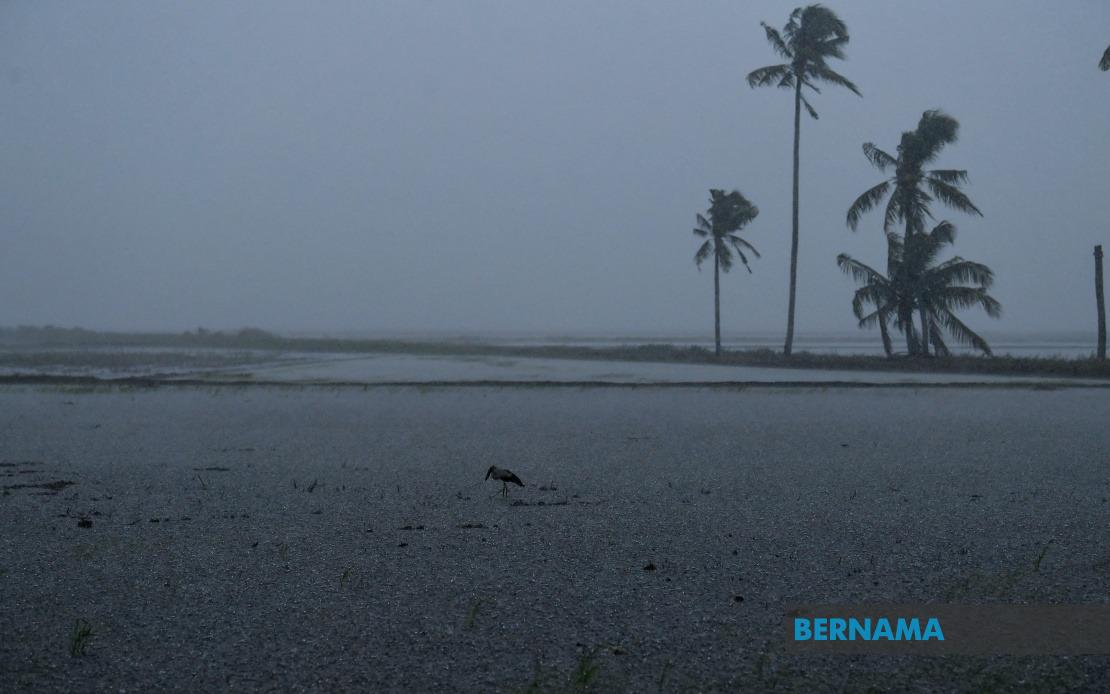
The Malaysian Meteorological Department issued an alert on Thursday warning of potentially hazardous weather developing across multiple regions throughout the peninsula and Sabah. The weather system is expected to persist until 2 pm, bringing thunderstorms accompanied by heavy downpours and gusty conditions that could disrupt normal activities and pose risks to the public.
In Perak, residents of Kerian, Bagan Datuk, and Hilir Perak have been placed on alert. Meanwhile, Selangor's Sabak Bernam and Kuala Selangor districts lie in the path of the expected weather front. The warning extends to significant population centres in these regions where the combination of factors could create challenging conditions for commuters and outdoor activities.
Negeri Sembilan's Jempol and Tampin areas, along with Melaka's Alor Gajah and Jasin, are similarly affected by the meteorological forecast. Johor's Kota Tinggi has also been flagged as a locality requiring heightened weather awareness during the warning period. These widespread alerts across the central and southern peninsula reflect an organised weather system affecting disparate but interconnected areas.
Sabah experiences a more complex weather situation with multiple zones vulnerable to deteriorating conditions. The Interior Division, encompassing Kuala Penyu and Beaufort, faces exposure to the incoming storms. The state's densely populated West Coast region—including major centres such as Kota Kinabalu along with Papar, Putatan, Penampang, Tuaran, and Kota Belud—requires particular attention given infrastructure and population density considerations. Additionally, the Kudat district in the far north has been included in the advisory.
Thunderstorm warnings such as this carry practical implications for residents across affected areas. Heavy precipitation in a short timeframe can overwhelm drainage systems, particularly in low-lying neighbourhoods and flood-prone zones. The strong winds accompanying such systems pose hazards to structures, vehicles, and outdoor installations, while lightning poses direct safety risks to individuals caught in exposed locations.
Public services typically adjust operational protocols during such alerts. Transportation authorities may implement speed restrictions or enhanced monitoring of flood-prone routes. Construction and outdoor work activities often pause to protect worker safety. Schools and government offices in affected areas may adjust schedules or dismiss early to allow residents to reach home safely before conditions peak.
The timing of the alert—specifically noting a 2 pm conclusion—suggests the meteorological department expects the weather system to move through during late morning and early afternoon hours. This window is particularly significant as it overlaps with school dismissal times and afternoon traffic movements, potentially compounding transportation challenges if rainfall and wind conditions prove severe.
For residents in the warned localities, standard severe weather precautions apply. Securing outdoor items, avoiding unnecessary travel, staying away from windows during intense activity, and monitoring official weather updates provide basic protective measures. Motorists navigating affected areas should exercise heightened caution, particularly on routes known to flood quickly or where visibility may be significantly reduced by heavy rain.
The issuance of specific geographic warnings rather than blanket statewide alerts allows authorities to concentrate resources and messaging on areas of genuine concern. This precision-based approach helps emergency services prepare appropriately and prevents unnecessary alarm in districts not directly affected by the weather system. However, residents near warned boundaries should remain alert, as weather systems can shift or expand unpredictably.
Malaysia's thunderstorm season, driven by the region's equatorial and tropical climate characteristics, produces frequent such alerts during certain periods. The moisture-laden atmosphere, combined with daytime heating and various convergence mechanisms, creates ideal conditions for rapid convective development. Residents of warned areas are well-advised to take meteorological alerts seriously and prepare accordingly, as Southeast Asian thunderstorms can intensify rapidly and produce dangerous localised conditions.

