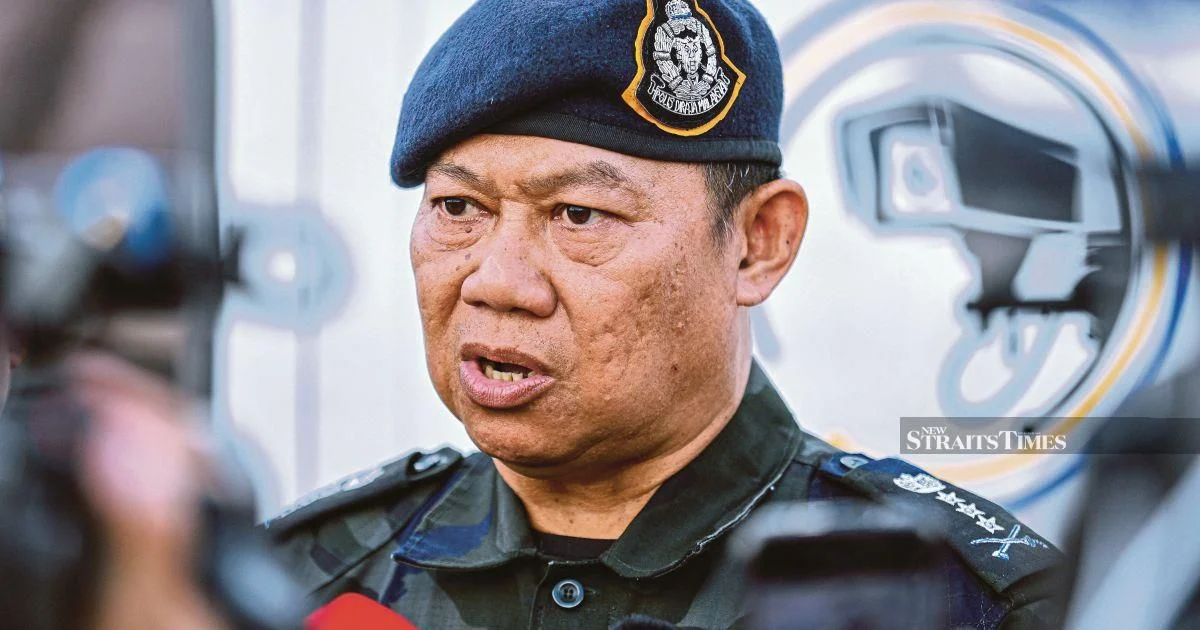
Police in Johor have begun formal investigations into three distinct matters stemming from allegations received during the lead-up to the state elections. The development comes after officers received a total of seven election-related reports since nomination day commenced, with authorities selecting three cases to proceed with formal investigation papers. The move reflects the heightened scrutiny placed on electoral conduct as the state prepares for polling day.
The decision to investigate only three of the seven complaints suggests police have applied a filtering process to determine which allegations warrant full examination. This approach indicates that some reports may have been deemed insufficient to meet investigation thresholds, or that preliminary inquiries indicated they fell outside police jurisdiction or did not constitute criminal offences. The discrepancy between reports received and cases opened underscores the distinction between public complaints and matters that contain sufficient prima facie evidence to justify formal action.
Election-related investigations in Malaysia typically encompass a broad spectrum of alleged misconduct, ranging from campaign financing violations and illegal distribution of campaign materials to intimidation of voters and false claims made during campaigning. The nature of the three cases opened by Johor police has not been disclosed, though such probes commonly examine breaches of electoral law and regulations governing permissible campaign conduct. These investigations fall under the purview of both the Election Commission and police, with divisions of responsibility determined by the specific nature of allegations.
The timing of these investigations during an active election period carries particular significance for political campaigns operating in Johor. Candidates and parties must navigate a complex regulatory environment that places substantial restrictions on their activities, messaging, and expenditures. Any investigation can create reputational damage and distraction from campaign messaging, affecting momentum and public perception. This context makes the three cases initiated by police potentially consequential beyond their legal outcomes.
Election-related complaints in Malaysian state and federal elections have become increasingly common as political competition intensifies and awareness of electoral regulations grows. The Election Commission and law enforcement agencies work in tandem to monitor compliance, though tensions occasionally arise over jurisdiction and the prioritization of investigations. In Johor's case, the receipt of seven reports across what is typically a compressed nomination-to-polling period suggests either heightened vigilance by the public or increased allegations of misconduct compared to previous electoral cycles.
The investigation process for election offences varies depending on whether allegations involve criminal conduct or technical violations of electoral regulations. Criminal matters fall under police jurisdiction and may result in charges under the Penal Code or specific electoral legislation, potentially carrying fines or imprisonment. Regulatory breaches discovered during investigations may be referred to the Election Commission for administrative action or sanctions. The distinction between these pathways affects both the nature of investigations and potential consequences for those implicated.
For voters and political observers, the police investigations underline the importance of electoral oversight mechanisms designed to maintain fairness and integrity in the voting process. Malaysia operates under a regulatory framework that includes both statutory requirements and administrative procedures intended to level the playing field among competing parties and candidates. However, critics have long argued that enforcement remains inconsistent and that violations sometimes go unpunished, raising questions about the effectiveness of existing safeguards.
The investigation activity in Johor comes amid broader scrutiny of electoral processes across Malaysia. Recent electoral cycles in Peninsular Malaysia and Sabah have witnessed increased monitoring by election observers, both domestic and international. Civil society organizations and watchdog groups have sought to document potential irregularities and ensure transparency in campaign activities. This elevated oversight has likely contributed to more complaints being lodged with authorities, as public awareness of permissible and impermissible conduct has expanded.
For the electoral commission and law enforcement, balancing rapid investigation turnaround with thoroughness remains a constant challenge. Elections typically follow tight timelines from nomination day to polling day, sometimes spanning only weeks. Investigations initiated during this window must be completed quickly to be relevant to the electoral process, yet rushing inquiries risks producing flawed conclusions or inadequate documentation. The three cases opened by Johor police will need to progress efficiently while maintaining investigative standards.
Looking beyond the immediate electoral cycle, the pattern of election-related complaints and investigations provides valuable data for refining Malaysia's electoral framework. Authorities can analyse the types of misconduct most commonly alleged, the sectors of society filing complaints, and whether certain jurisdictions experience more violations than others. Such analysis might inform future policy adjustments, training programs for election officials, or targeted enforcement priorities in subsequent elections.
The stakes for those under investigation are substantial, particularly for candidates facing potential disqualification or political figures whose movements may be restricted pending case outcomes. Electoral law in Malaysia provides for various sanctions, from financial penalties to debarment from holding office, depending on the severity and nature of violations established. For political parties, investigations affecting multiple candidates or involving systemic campaign practices could undermine electoral prospects and party credibility.
As the Johor state election proceeds toward polling day, these three investigations will unfold largely behind the scenes, though any significant developments or dramatic turns may become public. The results of these inquiries will be scrutinized not only by the immediate parties involved but by broader political observers seeking to understand how electoral rules are enforced and whether mechanisms exist to deter future violations. The outcomes may also set precedents affecting how similar cases are handled in future Malaysian elections.

