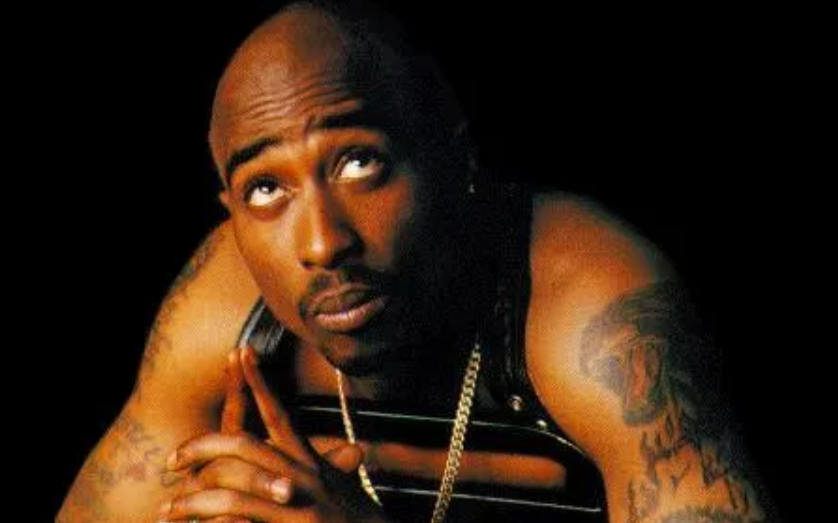
Three decades after the fatal drive-by shooting of rapper Tupac Shakur in Las Vegas, a trial began Monday that could finally bring closure to one of America's most notorious unresolved homicides. The case against Duane "Keffe D" Davis, a 63-year-old former leader of the South Side Compton Crips gang, represents the first criminal prosecution in connection with Shakur's death on September 7, 1996. Jury selection commenced this week, with the proceedings expected to span approximately one month as prosecutors attempt to establish Davis's role in orchestrating the killing that claimed the life of the influential West Coast hip-hop artist at just 25 years old.
The broader context of Shakur's murder is rooted in the destructive East Coast-West Coast hip-hop rivalry that dominated the music industry throughout the 1990s. Death Row Records, the West Coast powerhouse founded by Marion "Suge" Knight, clashed with Bad Boy Records, the East Coast label established by Sean "Diddy" Combs and featuring Christopher "The Notorious B.I.G." Wallace, who himself would be murdered just six months after Shakur. This feud transcended the entertainment world, with gang affiliations playing a significant role in the escalating tensions. Death Row maintained ties with Mob Piru, a Los Angeles-based gang aligned with the Bloods organization, while Bad Boy Records had employed members of the South Side Compton Crips, Davis's gang, as security personnel.
The immediate trigger for Shakur's murder, according to prosecutors, stemmed from an incident that occurred after the Mike Tyson boxing match at the MGM Grand casino on the night of the killing. Following the fight, Knight and Shakur allegedly assaulted Davis's nephew, Orlando "Baby Lane" Anderson, a Crips member, in apparent retaliation for an alleged assault on a Death Row Records employee. This confrontation set the stage for the violent response that would follow. Later that evening, a white Cadillac occupied by Davis, Anderson, and others pulled alongside Shakur's vehicle on a Las Vegas street, and gunfire erupted from the Cadillac, fatally wounding the rapper. Shakur died six days later from his injuries, but the identity of the actual shooter has remained unknown.
What makes this case particularly complex is the evidentiary challenge that has haunted investigators for three decades. The investigation languished for years due to insufficient evidence and the reluctance of witnesses to cooperate with authorities. However, a significant breakthrough occurred in 2019 when Davis published his memoirs, which contained admissions that proved instrumental in reviving the cold case. In his book, Davis acknowledged that he was seated in the front passenger seat of the Cadillac and stated that he had handed a pistol to individuals in the rear seats. Despite these revelations appearing to implicate him in the crime, Davis notably stopped short of identifying who actually fired the fatal shots.
Davis's memoir admissions represented a dramatic shift from his earlier denials and silence on the matter. These same admissions had been foreshadowed by statements Davis had made to reporters in previous years, but the published memoirs gave them greater permanence and credibility as evidence. The combination of the memoir passages and Davis's prior statements to police in a 2008 witness interview prompted law enforcement to arrest him in September 2023, more than a quarter-century after the crime. However, Davis has since recanted his previous admissions entirely, entering a not guilty plea and constructing an alternative narrative.
In a recent interview conducted from prison in March 2025 with ABC News, Davis categorically denied any involvement in Shakur's death, claiming he was in Los Angeles rather than Las Vegas on the night of the murder. He has further asserted that he has never even read his own memoirs and suggested that his co-author inflated and fabricated details to boost book sales. This dramatic reversal places the jury in the difficult position of evaluating conflicting versions of events from the same defendant. Davis's current legal strategy relies on challenging the credibility and admissibility of his own previous statements and publications, arguing they were either misrepresented or generated opportunistically by his collaborator without his full knowledge or approval.
The prosecution's evidentiary challenges are compounded by the passage of time and the deaths of other witnesses who were present in the Cadillac on that fatal night. Every other occupant of the vehicle has since died, leaving no corroborating witnesses to testify about the actual sequence of events or the identity of the shooter. This absence of living corroborating testimony means the case relies heavily on circumstantial evidence, Davis's own prior admissions, and investigative reconstruction. The prosecution must convince jurors that Davis's earlier statements were truthful confessions rather than fabrications, and that his current denials represent a calculated legal strategy to evade accountability.
In the lead-up to trial, Davis's legal team mounted vigorous but unsuccessful challenges to prevent the introduction of his memoir and his 2008 police interview as evidence. These pretrial motions sought to exclude what prosecutors view as the most damaging evidence against their client. If convicted, Davis faces a sentence of life imprisonment without the possibility of parole, a consequence that underscores the severity of the charges and the stakes of the trial. His appearance in court wearing a light-blue shirt and blue tie presented a composed demeanor, though his legal position remains precarious.
The trial occurs within a broader American cultural context where the Tupac Shakur murder has attained near-mythic status among music fans and observers of hip-hop history. The case has spawned countless conspiracy theories, documentaries, and speculation about potential involvement by figures beyond Davis. This intense public interest means the trial will be scrutinized not merely as a legal proceeding but as a potential resolution to a cultural mystery that has persisted for 30 years. The outcome will shape the historical narrative surrounding one of hip-hop's most influential and controversial figures.
Whether the verdict brings the closure sought by Shakur's family remains uncertain. In May 2025, Maurice Shakur, the rapper's stepbrother, filed a wrongful death civil lawsuit, contending that individuals involved in the murder have evaded accountability for three decades. The civil suit directly challenges the notion that a single criminal trial can fully address the broader network of responsibility that may surround Shakur's death. This parallel legal action reflects persistent skepticism within the family that the criminal prosecution alone will achieve comprehensive justice or identify all parties culpable for the killing. The civil litigation suggests that the Shakur family views the case as involving systemic failures and potential complicity that extends beyond what a single criminal trial of Davis can effectively address.

