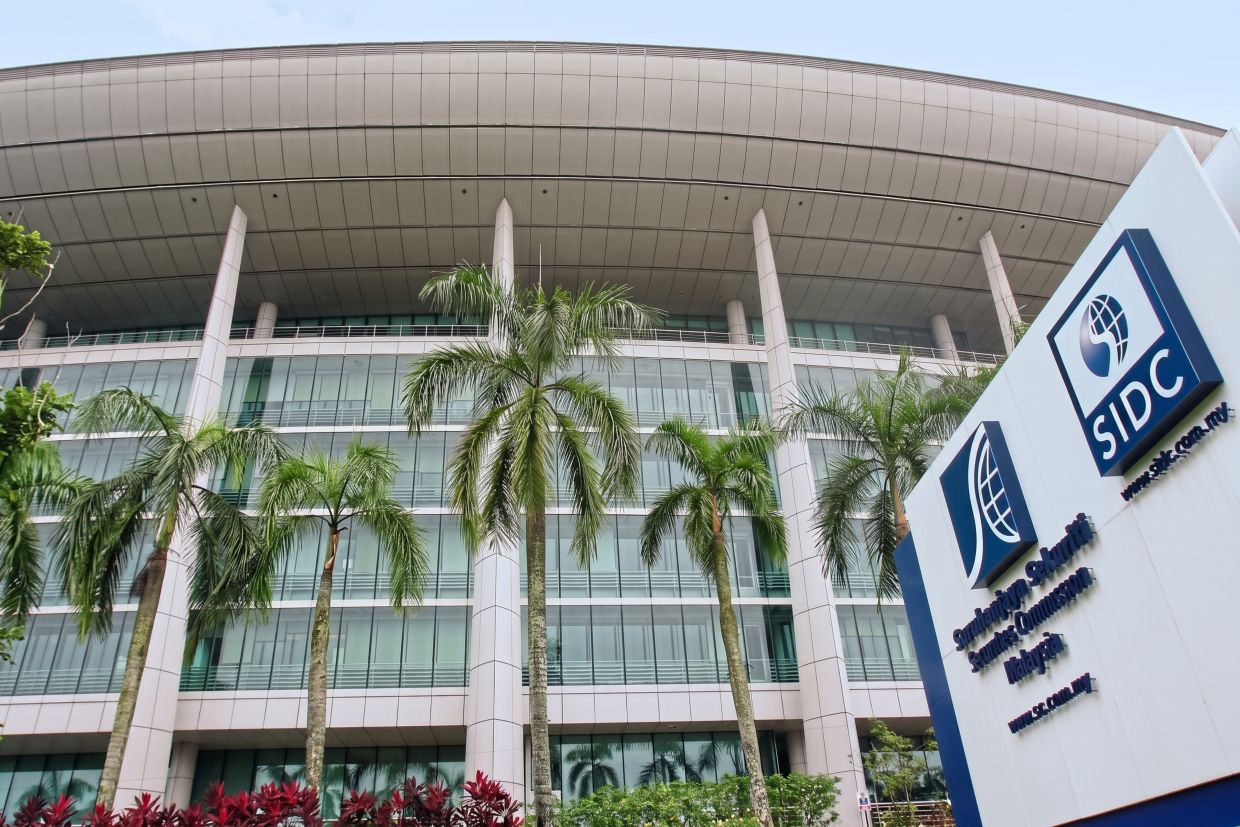
Three brothers have been brought before the courts after Malaysia's Securities Commission alleged they operated a securities dealing business without the required regulatory licence. Anuar Hassan, Mohd Amin Hassan and Amir Hassan appeared before three separate Sessions Courts in Kuala Lumpur, where prosecutors unveiled a complex web of charges spanning multiple jurisdictions and legal provisions.
The Securities Commission's enforcement action targets what regulators view as a particularly serious breach of Malaysia's capital market framework. Operating an unlicensed securities business represents a fundamental violation of investor protection mechanisms that underpin the country's financial system. Each defendant faces charges under section 58(1) of the Capital Markets and Services Act 2007, the primary statute governing who may legally conduct securities activities in Malaysia. The charges carry substantial penalties reflecting the severity with which authorities treat unauthorised market participation.
Mohd Amin Hassan initially faced a single charge alleging he conducted a securities dealing business without proper authorisation. The court granted him bail at RM30,000 with two local sureties, while imposing additional restrictions including surrender of his passport to the court and mandatory monthly reporting to the SC's investigating officer. These conditions effectively place Amin under enhanced supervision pending trial, preventing him from leaving Malaysia and maintaining regular contact with authorities.
Anuar Hassan and Amir Hassan encountered more serious charging. They were jointly charged with two counts under section 58(1) of the Capital Markets and Services Act read in conjunction with section 34 of the Penal Code, which addresses abetment and joint liability. This legislative combination suggests prosecutors believe the brothers acted in concert rather than independently. Each received bail of RM30,000 with two sureties and faced identical reporting and passport restrictions.
The charging structure reveals multiple alleged instances of misconduct. Amin and Amir subsequently faced an additional charge under section 58(1) read with section 34 of the Penal Code, for which bail was set at RM20,000 each with two sureties. Amir faced yet further charges—two additional counts under section 58(1)—with bail set at RM30,000. Anuar and Amin were charged again under section 58(1) read with section 34, again at RM30,000 bail with two sureties. Anuar faced a final separate charge under section 58(1) alone, also attracting RM30,000 bail. The cumulative effect places all three defendants under substantial financial and personal security obligations.
These charges span a defined timeframe from March 2019 through October 2019, with alleged offences occurring across multiple Malaysian jurisdictions including Kuala Lumpur, Putrajaya, Selangor and Johor. This geographic spread suggests operations that extended beyond a single location, possibly indicating a coordinated scheme involving customers or partners across different regions. The seven-month window suggests sustained rather than isolated misconduct.
The legal severity facing these defendants cannot be understated. Conviction under section 58(1) of the Capital Markets and Services Act carries a maximum fine of RM10 million, imprisonment up to 10 years, or both penalties combined. Such substantial sanctions reflect Parliament's intent to deter unlicensed market participation and protect the investing public from unregulated intermediaries. The cumulative charges mean each defendant potentially faces multiple consecutive sentences, significantly amplifying exposure.
From a regulatory enforcement perspective, this case demonstrates the Securities Commission's determination to pursue market practitioners operating outside the formal licensing framework. The SC maintains comprehensive oversight of capital market activities and monitors for illicit conduct through various investigative mechanisms. The successful advancement of these charges through preliminary stages indicates the SC accumulated sufficient evidence to persuade prosecutors that reasonable grounds existed for proceeding.
The defence strategy now centres on contesting the charges. All three brothers elected to claim trial rather than negotiate pleas, suggesting they intend to challenge the legal foundation of the allegations or contest factual assertions. This decision will result in extended court proceedings requiring both defendants and prosecutors to present evidence regarding whether the brothers' activities truly constituted unlicensed securities dealing under the statutory definition.
For Malaysia's broader capital market integrity, this prosecution underscores ongoing regulatory vigilance. The licensing regime administered by the Securities Commission exists to ensure that only qualified, properly supervised entities conduct securities activities. Unlicensed operators operate beyond regulatory oversight, creating elevated risks for their clients regarding misappropriation, fraud or simply incompetent advice. By prosecuting such conduct, the SC protects the investing public and maintains confidence in market infrastructure.
These cases carry particular resonance given Southeast Asia's evolving financial landscape. As regional capital markets mature and retail participation increases, protecting unsophisticated investors from unregulated intermediaries becomes increasingly important. Malaysia's enforcement actions serve as cautionary examples throughout the region regarding the consequences of circumventing licensing requirements. The substantial penalties prescribed in the legislation reflect acknowledgment that unlicensed market activity threatens financial stability and investor protection simultaneously.
The defendants' bail conditions, particularly passport surrender and monthly reporting requirements, reflect judicial assessment that they posed sufficient flight risk or misconduct risk to warrant enhanced monitoring. Their release pending trial recognises the presumption of innocence while simultaneously protecting investigative and prosecutorial interests. The court's calibrated approach balances the defendants' liberty interests against the public interest in ensuring trial participation and evidence preservation.

