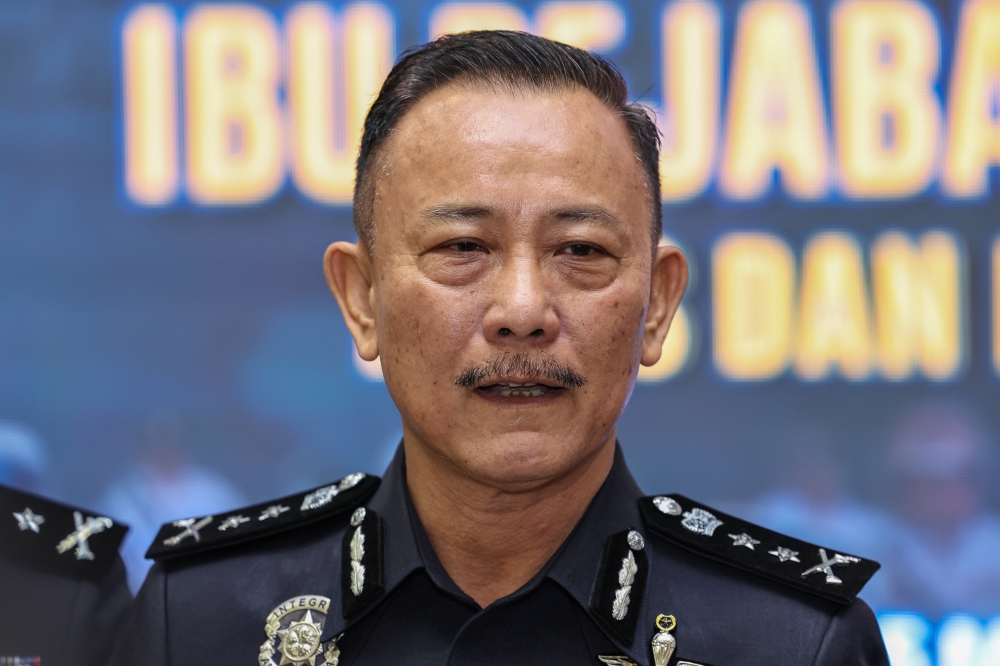
Police in Johor Bahru have taken three men into custody following the discovery of a missing person's body in a river, marking a significant development in what has become a serious criminal investigation. The arrest comes after the deceased was found in the waterway, prompting immediate police action to establish the circumstances that led to his death and to determine whether foul play was involved.
The three detainees are being held to assist investigators as they work through the evidence and statements related to the case. This standard investigative procedure allows authorities to conduct detailed interviews with individuals believed to have information crucial to understanding the sequence of events that preceded the man's death. The police have not yet released specific details about the identities of those arrested or their relationship to the deceased, maintaining confidentiality during the early stages of the inquiry.
Johor Bahru, as the capital of Johor state and one of Malaysia's most significant urban centres, occasionally witnesses cases of this severity. The discovery of a body in the river system has prompted heightened police activity in the area, with officers conducting searches and gathering witness statements from residents and those who may have been present in the vicinity. Such cases demand comprehensive investigation given the potential involvement of multiple parties and the need to establish a clear chain of events.
The recovery of the missing man's body represents a critical juncture in the investigation, as it provides physical evidence that can be subjected to forensic examination. Pathologists and medical examiners will conduct post-mortem procedures to determine the cause and manner of death, which will substantially shape the direction and intensity of the criminal inquiry. These findings will help police determine whether to proceed with more serious charges against those detained.
Investigations of this nature typically involve careful analysis of the victim's movements in the days preceding his death, identification of individuals who may have had contact with him, and examination of any potential motives or conflicts. The riverside location adds another investigative dimension, as police must establish how the body came to be in the water and whether it had been transported there or entered the river at the point of discovery.
The Johor state police force has signalled its commitment to pursuing a thorough investigation, recognising both the seriousness of the circumstances and the public concern such cases generate. The arrest of three individuals within a relatively short timeframe suggests investigators have identified preliminary leads and persons of interest who warrant closer examination. The pace of the inquiry indicates that authorities may have received helpful information from witnesses or discovered evidence that quickly narrowed their investigative focus.
For Malaysia's law enforcement agencies, cases involving missing persons and subsequent discoveries of bodies demand coordination across multiple police units and departments. Forensic specialists, criminal investigators, and community policing teams often work in tandem to build a comprehensive picture of events. The transparency of the police in announcing arrests also serves to reassure the public that serious crimes receive proportionate investigative resources and attention.
The circumstances of this case will likely attract scrutiny given the involvement of a death, the recovery of a body from a river, and the apparent swift police response. Johor residents and the broader Malaysian public will be monitoring developments as the investigation progresses. The detention of three individuals suggests this is not being treated as an isolated accident but rather as a matter requiring criminal examination and potential prosecution.
As the investigation unfolds, the police will continue to process evidence, conduct forensic analysis, and interview witnesses. The three arrested individuals may face charges if evidence substantiates involvement in the death, or they may be released if questioning determines their lack of culpability. The post-mortem examination results, forensic findings, and witness testimonies will prove decisive in determining the trajectory of the case and the nature of charges that may ultimately be brought against those implicated in the man's death.

