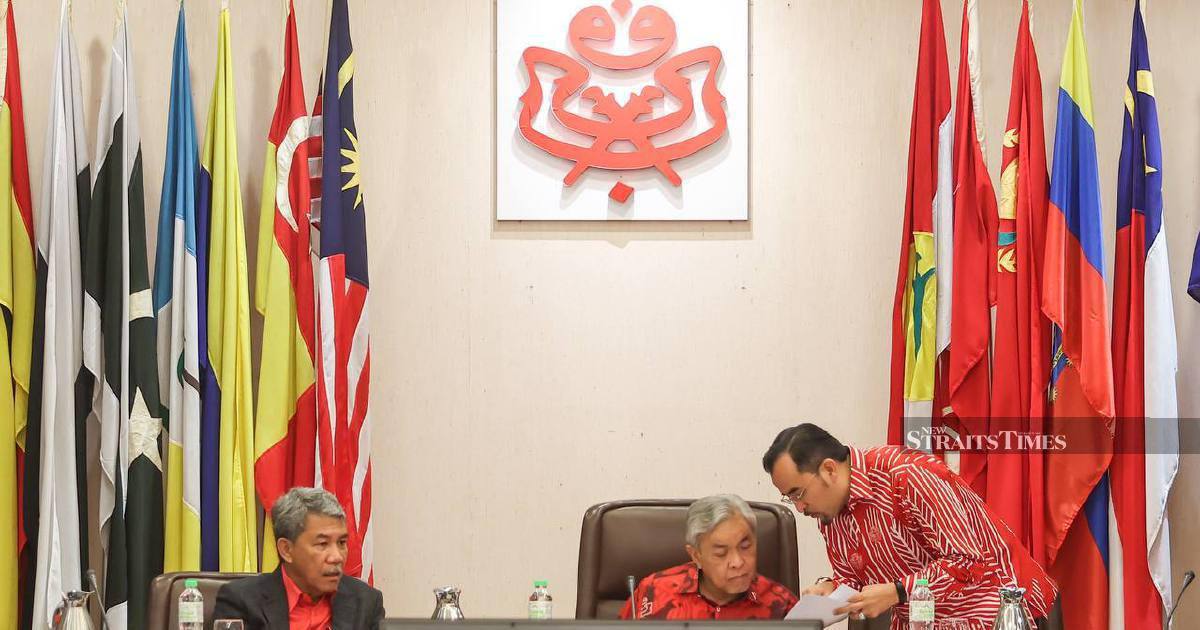
Datuk Dr Asyraf Wajdi Dusuki, the secretary-general of Umno, has reiterated a fundamental principle of Malaysia's legal framework: individuals who are detained or investigated by authorities must be afforded the presumption of innocence until such time as a court of law has determined their guilt. His statement serves as a reminder of a cornerstone doctrine that underpins rule of law across democratic jurisdictions, including Malaysia.
The principle of presumption of innocence represents a critical safeguard within any functioning legal system, protecting citizens from premature condemnation and ensuring that the burden of proof rests squarely with the prosecution. In Malaysia's context, this doctrine finds explicit protection within Article 5 of the Federal Constitution, which guarantees the right to liberty and due process. When individuals are detained for questioning or investigation, they remain subject to this constitutional protection regardless of the gravity of allegations against them.
Ashraf's remarks acquire particular relevance given the heightened public discourse surrounding high-profile investigations that have unfolded across Malaysia in recent years. Media coverage of arrests and detentions often creates a court of public opinion that can prejudice judicial proceedings and influence community perception before courts have examined evidence. The secretary-general's intervention appears aimed at tempering the tendency to conflate investigative detentions with established guilt.
Police investigations and detention serve a specific procedural function: gathering evidence, clarifying facts, and determining whether sufficient grounds exist to pursue formal charges. This investigative phase operates entirely separately from judicial adjudication. An individual's presence in police custody or their cooperation with investigating officers should not be construed as confirmation of culpability. The distinction between these stages remains crucial for maintaining judicial integrity and public confidence in law enforcement.
For Malaysian society at large, the maintenance of this presumption carries substantial implications. When the public begins to treat detained individuals as guilty before trial, it creates societal stigma that persists regardless of eventual acquittal. Families face ostracism, careers suffer irreparable damage, and reputational harm becomes irreversible even when innocence is subsequently established. This collateral damage to the innocent undermines social cohesion and discourages legitimate reporting to authorities.
The statement also reflects broader concerns within Malaysia's legal establishment about maintaining standards of procedural fairness. The Malaysian Bar Association and civil society organisations have consistently advocated for robust protections during the investigative phase, particularly regarding access to legal counsel, detention duration limits, and protection from coercion. Asyraf's intervention lends political weight to these long-standing calls for procedural safeguards.
From a governance perspective, respecting the presumption of innocence strengthens public confidence in the judiciary and law enforcement institutions. When authorities and public figures reinforce this principle, they signal that Malaysia's legal system functions through impartial examination of evidence rather than predetermined conclusions. This distinction becomes especially important when investigations involve politically sensitive matters or prominent figures, where perceptions of bias can flourish.
International human rights frameworks and treaties to which Malaysia is signatory similarly emphasise this protection. The Universal Declaration of Human Rights and various regional agreements underscore that investigative detention must never imply guilt. Asyraf's statement aligns Malaysia's political leadership with these international standards, contributing to the country's standing within global human rights discourse.
The practical implications extend beyond legal theory into how media organisations report investigative developments. Responsible journalism requires framing detention and investigation as procedural steps rather than evidence of wrongdoing. When public figures like Asyraf articulate this principle clearly, they establish expectations for how such matters should be discussed and understood within the broader public sphere.
Sector-specific consequences also merit consideration. When public perception conflates investigation with guilt, honest reporting to authorities becomes less likely, particularly in corporate compliance and whistleblowing scenarios. Employees and business associates may fear association with investigated parties, even where no charges are ever filed, compromising investigations that might actually uncover genuine wrongdoing.
For Malaysia's position within Southeast Asia, adherence to these fundamental legal principles distinguishes the country within a region where judicial independence and due process face varying degrees of pressure. Umno leaders reinforcing commitment to the presumption of innocence contribute to Malaysia's comparatively stronger human rights record, albeit one that remains subject to periodic criticism from international monitoring organisations.
Moving forward, Asyraf's intervention suggests that Malaysia's political establishment recognises the importance of distinguishing between investigation and conviction within public discourse. Whether this sentiment will consistently translate into practice across all segments of society and all categories of accused remains an ongoing test of the nation's commitment to the rule of law. The statement nonetheless represents a necessary reassertion of principles that must anchor Malaysia's justice system.

