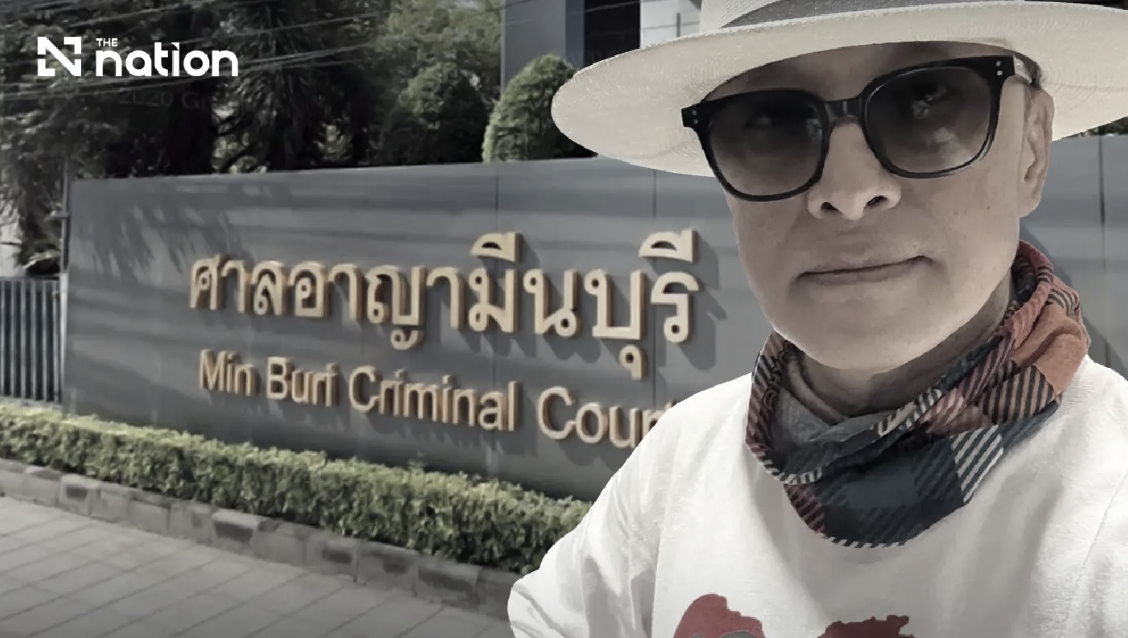
A Thai court has handed down a two-year prison sentence to Manasawin Nantasen, the legendary pop singer known professionally as Tik Shiro, for causing a fatal traffic accident while driving under the influence of alcohol. The Bangkok criminal court's decision on Wednesday represents a rare instance of judicial accountability affecting a prominent entertainment figure in Thailand, a country where high-profile cases involving wealthy or famous individuals frequently result in minimal consequences or protracted legal proceedings.
Manasawin rose to stardom during the late 1980s and 1990s as one of Thailand's most recognisable entertainers, cultivating a distinctive public persona modelled closely on international superstar Michael Jackson. His trademark appearance featured the signature fedora hat, black leather jackets, and energetic dance movements that became synonymous with his performances across Thailand's entertainment landscape. These visual markers and performance style earned him consistent comparisons to the American icon and cemented his status as a cultural figure whose influence extended well beyond the music industry.
The incident occurred in October 2024 when Manasawin, now 64 years old, operated his vehicle across a Bangkok bridge whilst impaired by alcohol. His car collided with a stationary motorcycle, resulting in catastrophic consequences for two family members. A 28-year-old woman riding the bike was killed instantly, while her 21-year-old brother was struck so forcefully that he was thrown from the bridge. The younger sibling sustained life-threatening injuries requiring hospitalisation, but ultimately succumbed to complications from his injuries whilst receiving treatment.
Images emerged from the accident scene showing Manasawin kneeling in apparent distress, which rapidly circulated across Thai social media platforms and garnered substantial national attention. The viral moment proved particularly significant given the persistent public perception that Thailand's wealthy and influential classes frequently escape meaningful legal punishment for serious crimes. This widespread sentiment stems from numerous high-profile cases where privileged individuals have received lenient treatment or avoided prosecution entirely, leading many ordinary Thais to view the justice system with considerable scepticism.
The court's sentencing statement acknowledged several factors that appeared to influence the final judgment. Manasawin's decision to surrender to authorities and cooperate meaningfully with the investigation weighed in his favour during proceedings. Additionally, the court noted his demonstration of remorse through attendance at the victims' funeral services and financial compensation provided to their families. However, the judicial decision proved unambiguous regarding his driving privileges: the court ordered permanent revocation of Manasawin's driver's licence, ensuring he cannot legally operate a motor vehicle in Thailand hereafter.
The sentencing reflects an apparent shift in public expectations regarding accountability for prominent figures, particularly those involved in fatal incidents. Thai society has increasingly demanded that entertainment personalities and other well-known individuals face consequences proportionate to their actions, regardless of their social standing or career achievements. This case resonates beyond the entertainment sector, serving as a barometer for whether Thailand's legal system truly operates impartially or continues to privilege the elite.
Context surrounding Manasawin's case becomes clearer when examined alongside other recent celebrity-related legal matters in Thailand. Rock musician Sek Loso walked free from prison on the same Wednesday as Manasawin's sentencing, having completed just over one year of incarceration for drug possession and illegal firearm charges. The parallel timing of these two cases underscores the varying degrees of accountability within Thailand's entertainment world, where some individuals do face imprisonment while others escape largely unscathed.
Thailand's troubled history of selective justice becomes apparent through reviewing several notorious incidents involving powerful figures. In 2012, Vorayuth Yoovidhya, heir to the Red Bull fortune, drove his Ferrari into a Bangkok traffic police officer in an upscale neighbourhood, killing the officer immediately. Despite investigation, authorities never proceeded with criminal charges against Yoovidhya, who effectively disappeared from public scrutiny. Similarly, in 2001, the son of former Pheu Thai Member of Parliament Chalerm Yubamrung allegedly discharged a firearm at a man during an argument at a crowded nightclub, resulting in the victim's death. He was subsequently acquitted based on insufficient evidence, demonstrating the vulnerability of cases involving connected individuals regardless of apparent criminal conduct.
Manasawin's conviction therefore gains symbolic importance within a broader Thai context where justice outcomes frequently depend on defendants' social connections rather than evidence severity. The case suggests potential movement toward more consistent application of law, though sceptics rightfully question whether a two-year sentence for vehicular homicide represents proportionate punishment or merely symbolic justice. For Malaysian observers, the case illustrates comparable challenges facing neighbouring Southeast Asian judicial systems, where wealth and influence sometimes distort legal outcomes, while simultaneously demonstrating instances where public pressure can compel authorities toward accountability.