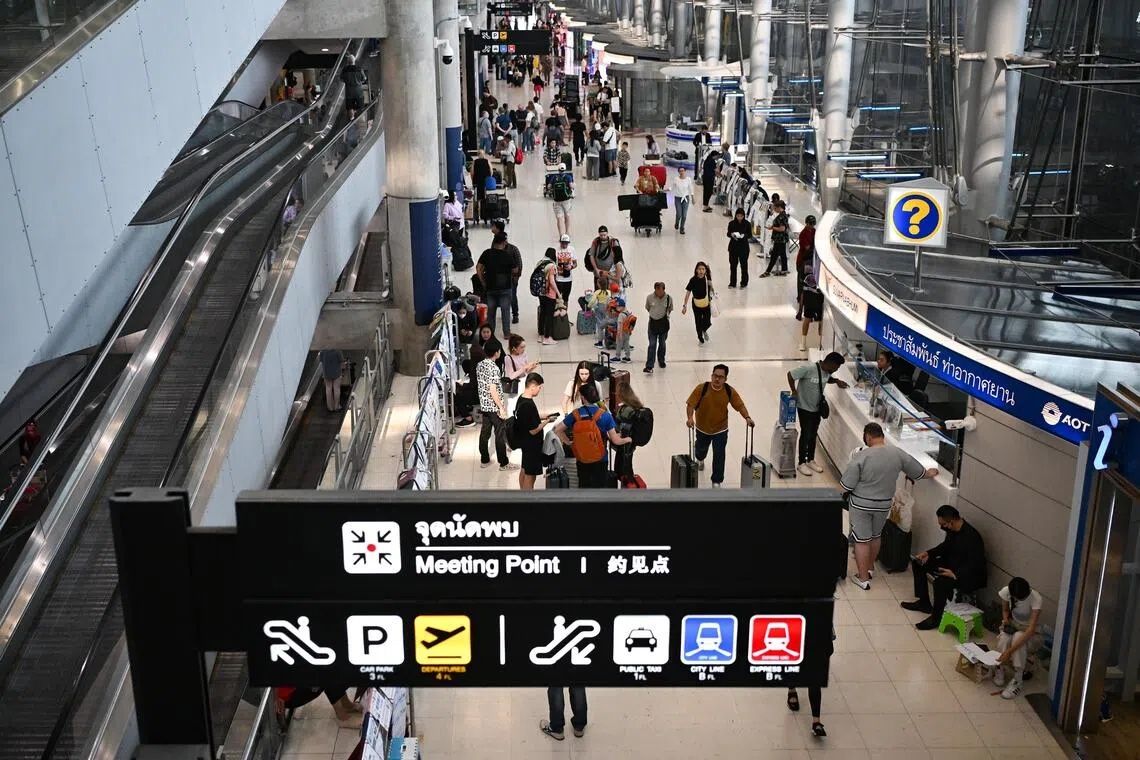
Thailand is moving to significantly streamline immigration processing at its busiest airport by extending automated passport control systems to travellers from 31 additional countries by the end of August. The initiative, which has received in-principle approval from the Immigration Bureau and awaits formal finalisation of documentation, represents a major push to address mounting congestion at Suvarnabhumi Airport in Bangkok, which currently processes approximately 190,000 passengers daily during peak tourism periods.
Deputy Government Spokesperson Lalida Persvivatana outlined the expansion during a recent airport briefing, explaining that the measure would substantially increase the proportion of international arrivals eligible to use self-service gates. Currently, the automated system handles a portion of incoming passengers, but the expansion of eligible nationalities combined with provisions for holders of certain long-term visa categories would dramatically change the throughput dynamics during busy periods. The airport has experienced significant strain, with immigration areas receiving between 5,000 and 6,000 passengers hourly during peak hours between 1pm and 5pm, creating bottlenecks that frustrate both travellers and airport operators.
The scale of the potential impact is substantial. The expansion is projected to make approximately 6.5 million additional passengers annually eligible for the auto-gates system, alongside roughly 900,000 holders of qualifying long-term visas. If fully operational as intended, officials estimate that approximately 53 per cent of arriving international passengers would be capable of using the automated gates, representing a fundamental shift in how Suvarnabhumi Airport manages its immigration flow. This efficiency gain holds particular significance for Thailand's tourism sector, which has been recovering strongly post-pandemic.
The initiative reflects broader concerns about Thailand's capacity to accommodate growing visitor numbers while maintaining service quality. Senior government figures, including Deputy Prime Minister and Commerce Minister Suphajee Suthumpun and Tourism and Sports Minister Surasak Phancharoenworakul, recently visited the airport alongside Deputy Transport Ministers Siriphong Angkasakulkiat to assess immigration procedures and passenger facilities. These high-level engagements underline the government's recognition that immigration efficiency directly impacts tourist satisfaction and Thailand's competitive positioning in Southeast Asia's tourism market.
Implementation of the expanded auto-gates system will follow a phased rollout determined by equipment readiness, security protocols, and the availability of biometric data for eligible nationalities. First-time visitors utilising the automated system will still require biometric registration, a necessary security measure that balances convenience with border control requirements. This approach ensures that expanding access does not compromise Thailand's immigration security standards, a critical consideration given Thailand's position as a major regional transit hub.
Lalida articulated the underlying philosophy driving the expansion beyond mere queue reduction. She emphasised that the objective encompasses creating a comprehensive positive experience from the moment international travellers disembark, prioritising convenience, speed, and security in equal measure. This holistic approach reflects changing expectations among modern travellers, particularly in competitive tourism markets where the airport experience influences overall destination perception. For Malaysia-based travellers and those transiting through Bangkok to onward ASEAN destinations, faster immigration processing translates into tangible time savings and reduced travel stress.
The airport discussions extended beyond the auto-gates initiative to encompass longer-term infrastructure planning. Government representatives and airport officials reviewed possibilities for expanding passenger waiting and transit areas, recognising that current facilities may struggle to accommodate projected passenger growth. These conversations acknowledge that Suvarnabhumi Airport, despite being relatively modern, faces capacity pressures from Thailand's tourism boom and its function as a regional aviation hub connecting Southeast Asian markets.
Thailand's tourism recovery has proceeded rapidly. Between January 1 and July 18 of this year, Thailand recorded approximately 17.36 million international arrivals, demonstrating the substantial volume pressure on airport infrastructure and immigration systems. This figure underscores why addressing processing bottlenecks has become urgent for Thai authorities seeking to maintain service standards whilst accommodating record visitor numbers. For regional economies including Malaysia, Thailand's tourism success generates spillover effects through increased business travel, conference tourism, and multi-country itineraries that include both destinations.
The expansion of auto-gates at Suvarnabhumi Airport carries broader implications for ASEAN travel integration. As individual Southeast Asian airports modernise their immigration infrastructure, the cumulative effect enhances regional mobility and appeals to travellers considering multiple ASEAN destinations. Malaysia's own airports might consider similar expansions to remain competitive, particularly as Thailand demonstrates the operational feasibility of processing large volumes through automated systems. The competitive dynamics of regional tourism infrastructure development are becoming increasingly important as ASEAN positioning itself as an integrated travel destination gains momentum.
For Malaysian business travellers and tourists regularly visiting Thailand, the expanded auto-gates system promises material convenience improvements. Professionals conducting business across Thailand will experience reduced delays in immigration processing, potentially freeing time for business activities. Similarly, leisure travellers will spend less time in queues and more time enjoying Thailand's attractions, improving overall travel satisfaction and potentially encouraging repeat visits. The system particularly benefits frequent travellers from nationalities newly eligible for auto-gates access.

