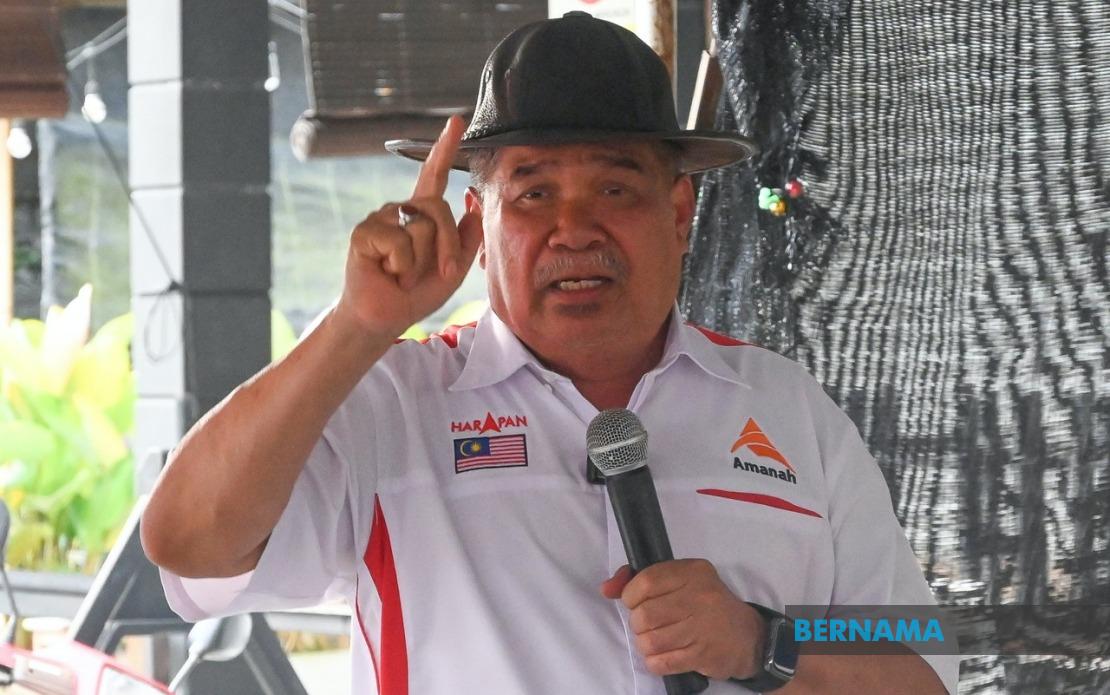
Malaysia's bilateral trade discussions with Thailand concerning the importation of five shrimp species are approaching their conclusion, according to Agriculture and Food Security Minister Datuk Seri Mohamad Sabu, who projected a settlement within the next fortnight during remarks made in Kota Bharu on Wednesday. The minister's statement signals optimism that months of diplomatic negotiations will soon yield a mutually acceptable arrangement, though he did not elaborate on the terms under negotiation or whether Malaysia would ease the restrictions it imposed.
The dispute centres on five commercially significant shrimp varieties that Malaysian authorities temporarily suspended from Thai imports beginning June 1 this year. The affected species include brown tiger shrimp (Penaeus esculentus), banana shrimp (Fenneropenaeus merguiensis), white shrimp (Penaeus vannamei), tiger shrimp (Penaeus monodon), and blue shrimp (Penaeus stylirostris). The decision represented a tightening of Malaysia's oversight mechanisms for imported fishery products from its neighbour, reflecting growing regulatory scrutiny of cross-border agricultural trade in Southeast Asia.
The suspension was justified as part of stricter quality and safety control measures, though the ministry has not publicly detailed the specific concerns that prompted the restrictions. For Thailand, one of the world's largest shrimp producers, the ban directly impacts a significant export market, whilst for Malaysian importers and food processors, it has disrupted supply chains and potentially increased costs for consumers. The impasse also touches on broader patterns of agricultural protectionism within the Association of Southeast Asian Nations, where member states balance domestic producer interests with regional trade commitments.
Meanwhile, Mohamad used the occasion of the Road to MAHA 2026 roadshow's conclusion in the east coast region to emphasise the ministry's wider strategic objectives. He indicated that the 2026 Malaysian Agriculture, Horticulture and Agrotourism Exhibition would position innovation and modernisation as central themes, reflecting growing recognition that Malaysia's food self-sufficiency challenges require technological transformation rather than import substitution alone. This aligns with broader regional trends in which agricultural ministries across Southeast Asia are investing heavily in precision farming, vertical agriculture, and biotechnology.
The forthcoming exhibition will distinguish itself through international participation that extends beyond traditional trading partners. Mohamad specifically highlighted the planned involvement of African nations and Central Asian countries, alongside established agricultural economies including China, Britain, Japan, and the United States. This geographic diversification suggests Malaysia is deliberately expanding the scope of agricultural knowledge networks available to its domestic sector, recognising that food security in an increasingly fragile global supply environment depends on multiple sourcing relationships and technological pathways.
The minister characterised food security as an urgent global priority that carries particular weight for Malaysia, a country substantially dependent on agricultural imports to feed its population. This candid acknowledgment reflects the reality that despite decades of agricultural development policies, Malaysia's domestic production covers only a fraction of national consumption across most commodity categories. The vulnerability became apparent during the COVID-19 pandemic when export restrictions by major suppliers temporarily disrupted Malaysian food supplies, reinforcing policymaker anxieties about reliance on international markets.
The Road to MAHA 2026 campaign represents the culmination of a series of provincial exhibitions held across multiple states. Following earlier sessions in Kedah, Selangor, Melaka, and the federal territory of Labuan, the Kota Bharu event marked the final instalment before the main exhibition. These roadshows serve a dual purpose: they generate grassroots support for the biennial event whilst simultaneously gathering feedback from regional agricultural communities about their technology needs and commercial aspirations. The east coast region, traditionally significant for Malaysian agriculture, holds particular strategic importance for the ministry's agenda.
Mohamad expressed confidence that MAHA 2026 will attract approximately five million visitors, matching attendance figures from the previous edition two years earlier. The event's drawing power is expected to increase further through coordination with Malaysia's National Day celebrations scheduled for the same period, creating a confluence of patriotic and commercial observance that may broaden appeal beyond the agricultural sector itself. This integration of agriculture with national commemoration reflects how the ministry positions food security as a matter of national identity and sovereignty.
The exhibition targets ambitious quantitative objectives that extend beyond visitor numbers. Organisers have set sales projections of RM58 million and anticipate generating RM8 billion in potential agricultural investments as exhibitors and investors conclude deals around the exhibition grounds. These metrics underscore that MAHA functions as a genuine marketplace where commercial transactions occur, rather than purely as a showcase event. The investment target particularly signals the ministry's hope that the exhibition will catalyse capital inflows into Malaysian agricultural enterprises developing new production methods or expanding export capacity.
The timing of the Thailand shrimp negotiations' expected resolution shortly before MAHA 2026 suggests potential coordination between resolving the trade dispute and positioning Malaysia positively for the international agricultural exhibition. A successful settlement would demonstrate Malaysia's commitment to regional trade cooperation during an event explicitly designed to attract international agribusiness participation. Conversely, if negotiations extend beyond mid-August, the unresolved dispute could create diplomatic awkwardness during an exhibition aimed at showcasing Malaysia as a reliable agricultural market and technology partner.
For Malaysian consumers and the food processing industry, the outcome of the Thailand negotiations carries immediate practical implications. A reopening of shrimp imports would likely increase competitive pressure on domestic producers whilst potentially lowering retail prices, though the balance depends on whether Thailand accepts additional regulatory requirements that increase its compliance costs. For Malaysia's broader agricultural strategy, however, the substance of any agreement matters less than the principle that trade disputes can be resolved through dialogue, establishing confidence essential for deeper regional agricultural integration.
Mohamad's extended remarks connecting the Thailand shrimp matter to MAHA 2026's modernisation agenda reveal how Malaysian policymakers now frame bilateral trade disputes within larger narratives about technological adaptation and global competitiveness. Rather than treating import restrictions as endpoints of policy debate, the ministry increasingly positions such measures as temporary safeguards whilst pursuing deeper transformations in how Malaysia produces and sources food. This philosophical shift may ultimately prove more consequential than the specific outcome of the current dispute with Thailand.

