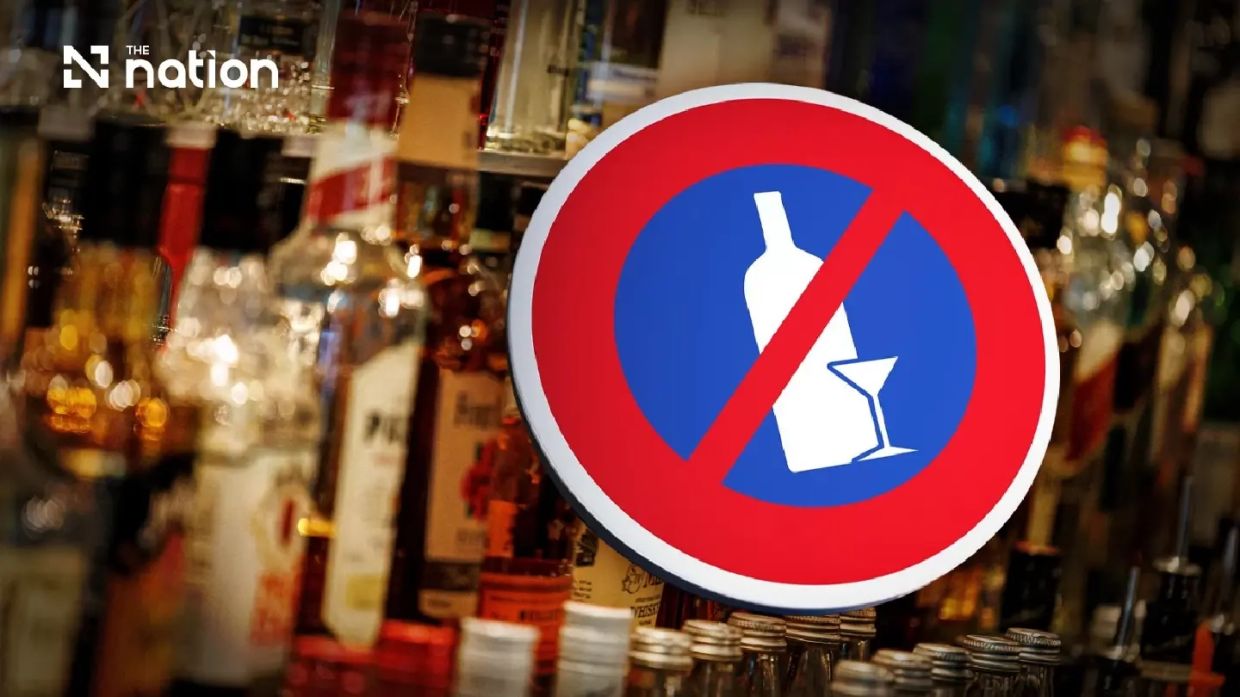
Thailand's Election Commission has moved to enforce strict controls on alcohol availability during critical local elections scheduled for June 27–28 in Bangkok and Pattaya. The nationwide prohibition represents a standard regulatory measure designed to preserve the integrity of the electoral process and prevent disruption during voting. The restriction will remain in effect from 6pm on Saturday through 6pm on Sunday, encompassing the entirety of polling day and extending into the evening hours when celebrations or disturbances might otherwise occur.
The elections themselves are of considerable significance within Thailand's political landscape, determining leadership for both cities through concurrent contests. Bangkok voters will choose a new governor and select representatives for the Bangkok Metropolitan Council, while Pattaya residents will simultaneously elect a mayor and city council members. These municipal elections carry weight beyond local governance, often serving as indicators of broader political sentiment and electorate preferences within key urban centres.
Within the designated electoral zones, the prohibition applies comprehensively to all forms of alcoholic beverages without exception or exemption. No individual, business establishment, or organisation may engage in selling, distributing, gifting, or arranging the service of alcohol during the restricted window. The scope extends beyond retail sales to encompass informal arrangements, gift-giving, and organised service at venues such as restaurants or entertainment establishments, reflecting the Commission's intent to eliminate alcohol availability entirely rather than merely regulate its commercial sale.
The Election Commission has emphasised that these measures constitute more than procedural formalities. The regulatory framework aims to ensure conditions conducive to fair voting, preventing situations where intoxication might compromise the electoral process or lead to disorder at polling stations. By restricting alcohol access across entire municipalities rather than only in the immediate vicinity of voting locations, authorities acknowledge that disruption can originate from various points within the electoral area.
Penalties for non-compliance carry significant weight, underscoring official seriousness regarding enforcement. Those found violating the ban may face imprisonment of up to six months, monetary fines reaching 10,000 baht, or both penalties applied together. These sanctions derive from Section 123 of the Local Elections Act B.E. 2562 and subsequent amendments, establishing a legal foundation that has governed such restrictions during previous electoral cycles. The dual penalty structure—combining imprisonment with substantial fines—demonstrates the Commission's determination to deter violations through multiple deterrents.
Authorities have extended their appeal for compliance to both commercial and private actors, recognising that enforcement depends partly on voluntary cooperation from businesses and citizens. Restaurants, bars, and retail venues operating within Bangkok and Pattaya must halt alcohol services despite normal profit incentives, while households and individuals must refrain from informal alcohol consumption or distribution. This broad-based approach reflects understanding that effective prohibition requires societal participation beyond governmental enforcement capacity.
The voting window itself has been established from 8am to 5pm on Sunday, June 28, providing a clearly defined period during which registered voters must cast ballots at their assigned polling stations. This timeframe aligns with typical Thai electoral practice, allowing working voters morning and afternoon opportunities to participate while keeping polling duration within a manageable span. The Election Commission has encouraged maximum turnout, framing participation as integral to democratic governance and local representation.
For Malaysian and Southeast Asian observers, Thailand's alcohol prohibition during elections reflects regulatory approaches seen across the region, where various countries implement restrictions during critical voting periods. These measures reveal shared concerns regarding electoral integrity and public order, even as specific legal frameworks and penalty structures vary between jurisdictions. The Thai approach, combining comprehensive prohibition with substantial penalties, represents one model within a spectrum of election-day regulations adopted throughout the region.
The Commission has established multiple channels for voters seeking further information about voting procedures, polling locations, and electoral regulations. The official Election Commission of Thailand website provides comprehensive details, while a dedicated hotline numbered 1444 offers direct access to electoral officials. These resources reflect modern administrative practices, ensuring that voters can resolve procedural questions promptly rather than facing uncertainty on election day itself.
Beyond the immediate alcohol restriction, these elections represent an opportunity for Bangkok and Pattaya residents to exercise electoral choice regarding local governance priorities. The outcomes may influence municipal policy directions across infrastructure, public services, and community development—domains where mayoral and council positions exercise direct authority. The Commission's emphasis on transparent, fair, and neutral electoral processes suggests institutional commitment to ensuring that results reflect genuine voter preferences rather than distortions from procedural irregularities or external pressures.
For businesses in affected areas, compliance presents a genuine operational challenge, as the June 27–28 period may coincide with expected weekend demand. However, authorities have provided clear advance notice, allowing venue operators adequate time to adjust scheduling and inventory management. The regulatory burden, while significant, follows predictable patterns established during previous local elections, enabling businesses to prepare systematically rather than respond to surprise restrictions.
Thailand's approach to election-day alcohol regulation ultimately reflects a broader commitment to electoral standards and democratic procedures. The prohibition, enforcement mechanisms, and communication channels collectively constitute a regulatory framework designed to support fair voting conditions. As regional election cycles continue throughout Southeast Asia, such measures remain integral to institutional efforts ensuring that electoral outcomes command legitimacy and reflect authentic voter choice.

