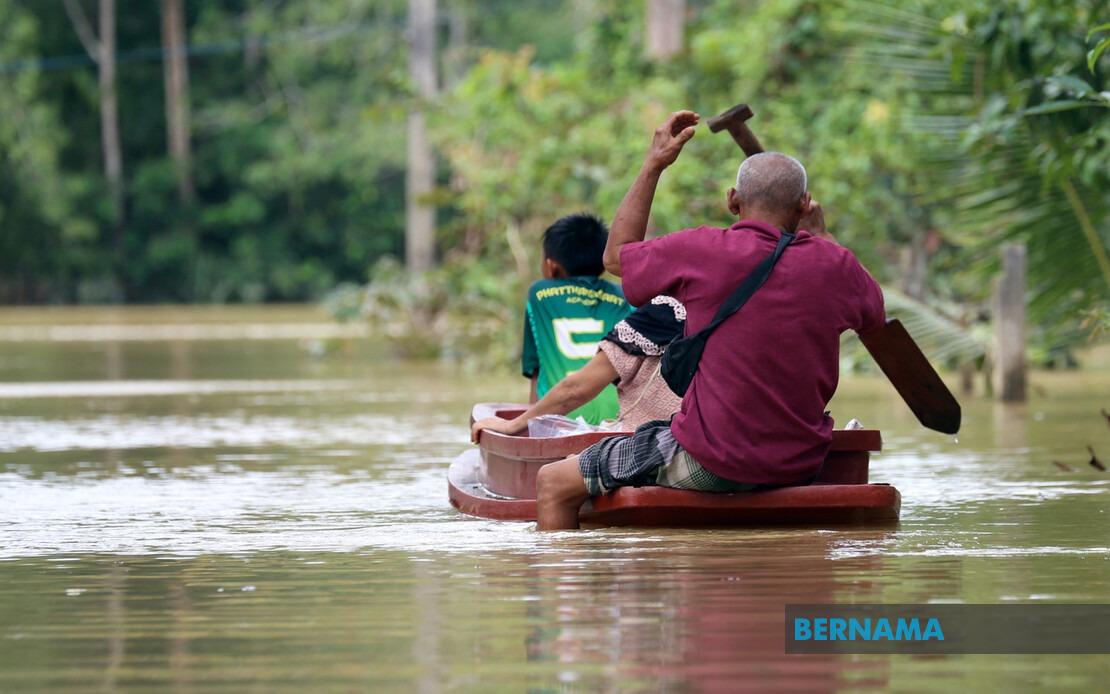
Thailand has substantially reinforced its approach to managing natural disasters, responding to the dual threats of seasonal flooding and prolonged droughts that pose risks to millions of citizens and the agricultural sector. The government has activated a restructured disaster management mechanism designed to accelerate decision-making and improve coordination among multiple agencies operating across vulnerable regions. Deputy government spokeswoman Capt Patdarasm Thongsaluaykorn announced that authorities are currently monitoring 1,363 locations at elevated risk of flooding, whilst simultaneously tracking 444 areas susceptible to extended dry periods that could severely constrain water availability.
The centrepiece of Thailand's upgraded response strategy involves the establishment of four regional committees tasked with overseeing disaster prevention and recovery efforts across different parts of the country. These bodies represent a deliberate shift towards decentralised coordination, allowing regional leaders to make critical decisions without waiting for centralised approvals. The structural changes reflect recognition that rapid response mechanisms—unified command structures, expedited inter-agency information sharing, and locally-tailored interventions—prove essential when communities face imminent threats. Deputy Prime Minister and Minister of Higher Education, Science, Research, and Innovation Yodchayan Wongsawat chairs the northern regional committee, which convened for its inaugural meeting at the Department of Disaster Prevention and Mitigation in Bangkok on Tuesday.
The newly-empowered regional committees bear responsibility for continuous monitoring of meteorological conditions and water levels across their jurisdictions. They will coordinate activation of emergency response protocols when thresholds are breached, oversee the delivery of relief assistance and compensation to affected households, and orchestrate longer-term reconstruction initiatives in disaster zones. This distributed authority extends to directing all government agencies operating within each region, evaluating situational developments in real time, and ensuring that accurate information reaches communities promptly. The framework acknowledges that information gaps during crises can amplify panic and hinder effective response, making transparent public communication a strategic priority.
Immediate meteorological concerns underscore the urgency of Thailand's preparedness measures. The Thai Meteorological Department has issued warnings of heavy precipitation, flash flooding, and river overflow affecting northern, northeastern, and eastern regions. Separately, maritime authorities have issued precautionary directives restricting small vessel operations in the upper Andaman Sea from August 4 to 9, and in the upper Gulf of Thailand from August 6 to 9, signalling significant wave heights and treacherous conditions. These short-term warnings reflect typical seasonal patterns, yet they expose the vulnerability of communities and infrastructure across multiple provinces to rapid-onset water-related hazards.
Beyond the immediate seasonal flood cycle, Thailand faces a more complex long-term climate challenge that could reshape agricultural productivity and water security. The Bangkok Post has reported forecasts indicating that a Super El Niño event, anticipated to commence in October and persist through the early months of the 2027 rainy season, may suppress rainfall across the region by at least 10 percent compared to normal patterns. Such a reduction, whilst appearing modest in percentage terms, translates into substantial deficits when applied across millions of hectares of agricultural land. Thailand's rice production, which generates vital export revenue and underpins food security across the Southeast Asian region, faces particular vulnerability to prolonged moisture deficits. Beyond agriculture, reduced rainfall threatens municipal water supplies serving urban centres and industrial facilities, potentially creating cascading economic disruptions.
The convergence of immediate flood risks and anticipated longer-term drought conditions presents a complex policy challenge for Thai policymakers. The government must simultaneously prepare for heavy precipitation in the near term whilst building resilience against extended dry periods anticipated years hence. This dual-track approach demands sophisticated water management infrastructure that can capture and store excess water during wet seasons for deployment during dry periods. Investment in irrigation systems, reservoirs, and aquifer recharge mechanisms becomes increasingly critical. Regional cooperation matters substantially as well, particularly given that major Thai waterways originate in neighbouring countries and that water security possesses transnational dimensions.
For Malaysian observers and policymakers, Thailand's experience carries instructive implications. The Southeast Asian region shares similar monsoon patterns and increasingly experiences the climate variability associated with El Niño and La Niña cycles. Malaysia's own vulnerability to flooding during monsoon seasons, combined with emerging concerns about drought in certain regions, suggests that the institutional innovations Thailand is implementing—particularly the shift toward regionally-empowered disaster management committees—warrant careful study. The model of unifying command authority whilst distributing decision-making capacity to areas closer to affected communities represents a potentially valuable governance approach that could enhance Malaysian disaster response effectiveness.
Thailand's upgraded disaster management framework also reflects evolving understanding of how climate change is altering patterns of natural hazards. Rather than treating floods and droughts as separate phenomena, the integrated approach recognises their interdependence within broader climate systems. Years characterised by extreme precipitation events in some areas often coincide with severe moisture deficits elsewhere. This systems-level understanding informs the need for coordinated national strategies that address both excess and scarcity simultaneously, avoiding the trap of solving one crisis whilst inadvertently exacerbating another.
The effectiveness of Thailand's new disaster management structure will ultimately depend on the quality of execution and the adequacy of resource allocation. Establishing committees and designating authorities matters little if field-level capacity remains constrained. Training frontline disaster responders, equipping regional operations centres with modern communication technology, ensuring funding reaches provincial governments reliably, and cultivating inter-agency relationships that transcend typical bureaucratic rivalries remain critical implementation challenges. The government's statement that assistance will reach affected communities "quickly, efficiently, and in a coordinated manner" represents an aspiration that experience suggests requires sustained commitment and continued investment.

