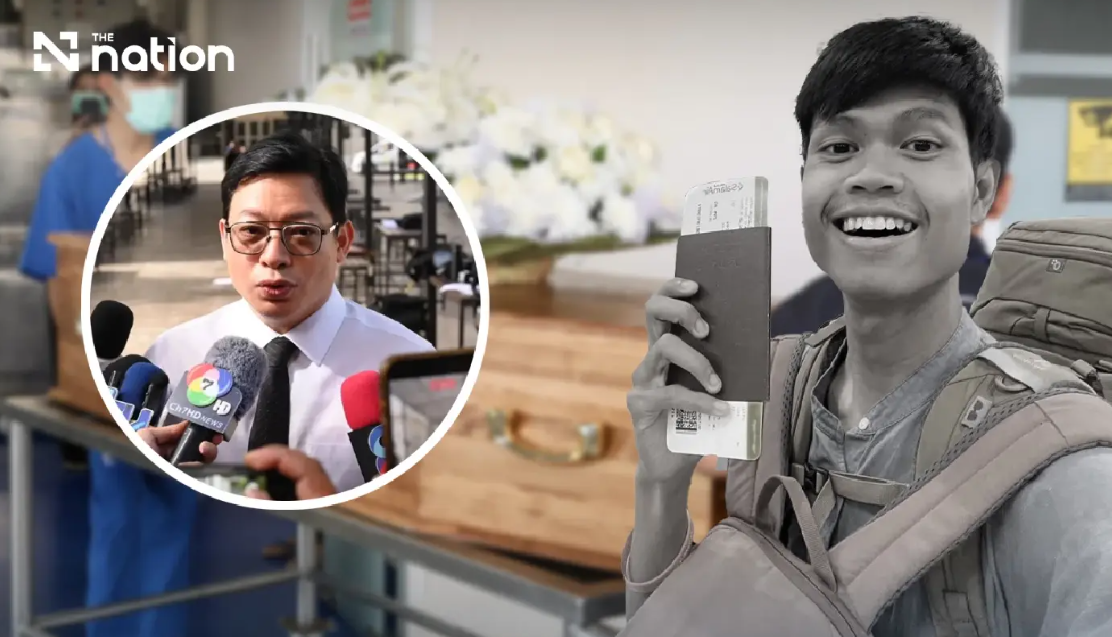
Preliminary autopsy results for Thai travel vlogger Bawornthat "Hlun Solo" Pengsuk have identified heart and circulatory system failure as the likely cause of death, though Thai forensic specialists are continuing comprehensive toxicology and chemical analysis before reaching definitive conclusions. The findings, released by the Central Institute of Forensic Science under Thailand's Ministry of Justice, came after the vlogger's body was repatriated from Georgia, where he died during his travels.
Associate Professor Dr Worawee Waiyawut, deputy director of the Central Institute of Forensic Science, presented the preliminary conclusions on Thursday following the post-mortem examination in Thailand. The initial investigation revealed no external injuries, signs of physical assault, or broken bones on Hlun's remains. Beyond the cardiac abnormalities, Georgian and Thai medical teams detected no other organ damage or irregularities, suggesting a sudden cardiovascular event rather than trauma or widespread systemic failure.
The death of content creators during travel has raised concerns across Southeast Asia regarding the pressures and stresses faced by social media personalities who maintain relentless production schedules while navigating unfamiliar environments. Hlun Solo had built a significant following documenting his journeys, making his unexpected death particularly striking for audiences throughout Thailand who followed his adventures. The case has reignited discussions about health monitoring and wellbeing among digital influencers whose work demands constant mobility and performance.
However, the family's insistence on toxicology testing reflects legitimate concerns that remain unresolved. Somsak "Mos" Butsri, Hlun's elder brother representing the family's interests, emphasised that Georgian authorities had not provided comprehensive details of their own post-mortem examination or explained what organ and DNA samples they retained. This lack of transparency has motivated the family to pursue independent verification through Thai forensic authorities, demonstrating how international death investigations can create information gaps when families seek complete clarity.
The Thai forensic team must conduct specialised cardiac tissue analysis and genetic screening to determine whether Hlun possessed underlying heart conditions that might have predisposed him to sudden cardiac failure. Additionally, investigators will examine whether sudden unexplained nocturnal death syndrome—a phenomenon documented in Southeast Asia—might offer explanatory context. These laboratory procedures require considerable time, meaning final conclusions remain weeks away rather than imminent.
The family's particular focus on potential toxic substances reflects their uncertainty about Hlun's circumstances at the moment of death. Somsak disclosed that Georgian officials had not clearly explained what tests they had conducted on bodily samples or what their findings suggested. This procedural opacity has left the family with more questions than answers, prompting them to request that Thai and Georgian results be compared systematically once Thai testing concludes. For families navigating foreign death investigations, such information gaps can fuel anxiety and suspicion even when evidence ultimately proves reassuring.
Personal belongings represent another unresolved concern. Somsak noted that only Hlun's passport accompanied his remains, with other possessions unaccounted for. This raises practical questions about documentation and chain-of-custody procedures in cross-border death investigations—issues that matter considerably for Malaysian and other Southeast Asian families whose relatives die abroad. Clear protocols for returning personal effects and detailed records of possessions at the time of death would prevent such gaps from occurring.
Hlun's family remains uncertain whether he had pre-existing cardiovascular conditions, as the vlogger apparently did not regularly discuss health matters with relatives. This highlights how independent lifestyles, particularly among younger digital content creators, can mean that medical vulnerabilities remain unknown to immediate family members. The broader question of whether social media work—with its attendant stress, irregular schedules, and travel demands—contributes to cardiovascular events among young creators has yet to be systematically studied across the region.
The family has explicitly retained legal remedies should evidence emerge of physical assault or foul play. Somsak indicated that if Thai examination findings contradicted initial Georgian conclusions, the family would pursue justice vigorously. This conditional readiness acknowledges the reality that cross-border deaths sometimes involve complications not immediately apparent, and that families must remain vigilant protectors of their relatives' interests when death occurs far from home.
Arrangements for funeral rites reflect traditional Thai practices, with Hlun's body destined for his home province of Kalasin following completion of the Thai post-mortem examination, anticipated by Friday. The family will later determine cremation specifics. Somsak conveyed that Hlun's grandmother, despite her loss, has focused on the practical goal of having her grandson returned home, though the emotional impact of viewing his remains remains uncertain.
The investigation illustrates broader challenges in managing international death cases, particularly when preliminary findings raise as many questions as they resolve. Thai authorities must coordinate with Georgian counterparts to obtain comprehensive documentation while managing family expectations and media scrutiny. For Malaysian readers, the case underscores the importance of maintaining health records and ensuring family members understand relevant medical history—practical precautions that prove invaluable when medical emergencies or sudden deaths occur abroad.

