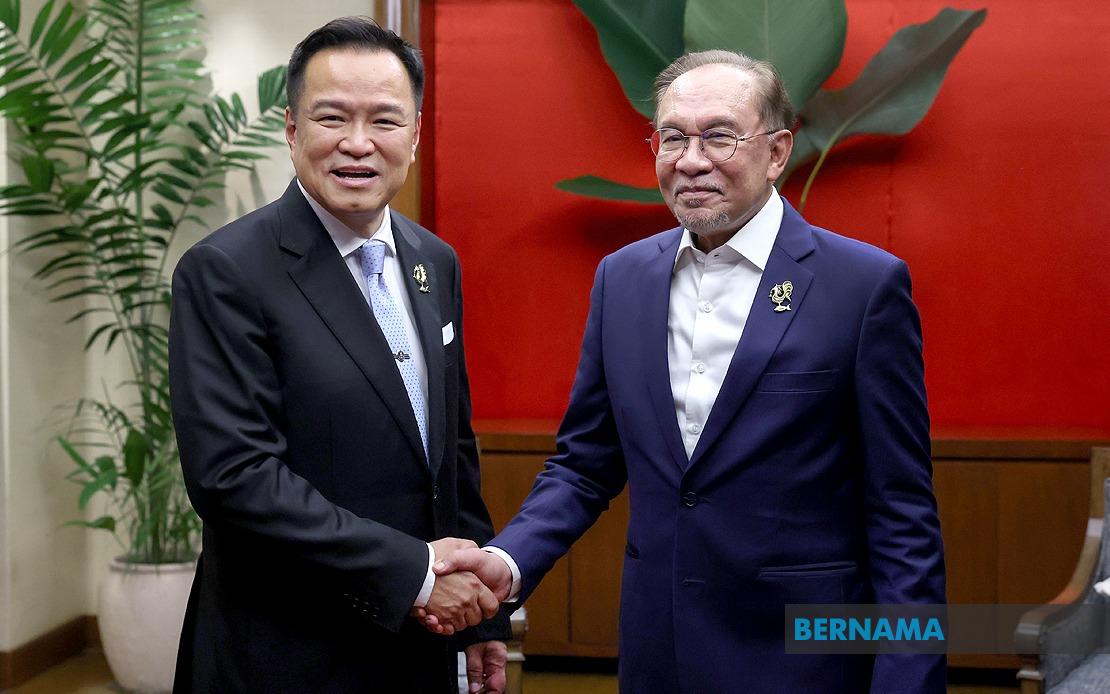
Thai Prime Minister Anutin Charnvirakul is set to arrive in Malaysia on Thursday for a two-day official visit, timed strategically to coincide with the inauguration of a modernised border infrastructure project that promises to reshape commercial and leisure travel between the two nations. The visit, extended at the invitation of Malaysian Prime Minister Datuk Seri Anwar Ibrahim, underscores deepening diplomatic coordination as both governments prepare to commemorate seven decades of formal relations in 2027.
The centrepiece of this engagement is the opening of the new permanent Sadao border checkpoint on July 11, a facility designed to supersede the current crossing and significantly streamline the movement of goods, vehicles and people across the Thailand-Malaysia frontier. Located in Songkhla province on the Thai side, the installation will be directly connected to Malaysia's established Bukit Kayu Hitam checkpoint in Kedah, creating a more efficient bilateral gateway for regional commerce. This infrastructure investment reflects both governments' recognition that outdated border facilities can become bottlenecks that constrain economic potential and delay travellers.
Thailand's Cabinet formally endorsed the checkpoint opening on Tuesday through a Ministry of Interior notification, establishing operational parameters that will see the facility function daily between 5 am and 11 pm Thailand time. This expanded window compared to many existing crossings in the region addresses a longstanding complaint from traders and commuters who have contended with restrictive hours that forced unnecessary delays and administrative complications. The extended timeframe is particularly beneficial for time-sensitive cargo movements and cross-border workers whose daily routines depend on flexible access.
Beyond the checkpoint itself, Thai authorities have recognised that successful border modernisation requires comprehensive supporting infrastructure. Government officials have directed relevant agencies to accelerate complementary projects, including the construction of connecting roads on the Thai side to eliminate traffic congestion around the facility's perimeter. The Cabinet has additionally mandated shuttle bus services linking the checkpoint to inland population centres, a measure designed to facilitate easier access for residents in border communities such as Dan Nok who previously faced geographical disadvantages. These supporting measures demonstrate that Thailand views this not merely as a customs facility but as an integrated transport and logistics node.
The initiative reflects broader recognition across Southeast Asia that border infrastructure modernisation drives measurable economic benefits. Traders moving textiles, agricultural products, automotive components and electronics across the Thailand-Malaysia frontier have long lobbied for faster processing and reduced administrative friction. The new Sadao Customs, Immigration and Quarantine complex addresses these concerns through consolidated processing, potentially cutting crossing times significantly compared to the fragmented arrangement of separate facilities that characterised the previous setup. For Malaysian importers and exporters based in the northern states, this development promises tangible competitive advantages.
Government spokesperson Ratchada Thanadirek emphasised that Thai authorities recognise the checkpoint's success depends partly on public understanding of revised procedures and traffic flows. Consequently, the government has committed to intensified awareness campaigns targeting both Thai and Malaysian residents, explaining new customs protocols, immigration requirements and practical arrangements for using the crossing. These educational initiatives prove especially important in border regions where informal cross-border movement has historically been common and where residents may resist what they perceive as additional bureaucratic steps.
This visit marks Anutin's third official Malaysian engagement since becoming prime minister, underlining the importance Thailand's leadership assigns to the bilateral relationship. His previous appearances—attending the ASEAN Summit in Kuala Lumpur last October and conducting an official visit in late November—indicate a pattern of sustained high-level diplomatic engagement. These repeated interactions provide opportunities for addressing not only major structural issues like border infrastructure but also the granular operational challenges that business communities regularly encounter.
The timing of the PM's visit relative to the checkpoint opening is deliberately orchestrated to generate publicity and political value for both administrations. For Malaysia, receiving the Thai premier during infrastructure expansion reinforces Kuala Lumpur's commitment to enhancing regional connectivity, an especially significant gesture given Malaysia's broader infrastructure development agenda. For Thailand, the visit allows Anutin to demonstrate tangible progress on border modernisation, an area where previous governments faced criticism for bureaucratic delays and insufficient investment.
The Sadao crossing modernisation also contextualises broader trends in Southeast Asian border management. Neighbouring countries including Vietnam, Laos and Cambodia have similarly upgraded their crossing facilities in recent years, recognising that outdated infrastructure creates comparative disadvantages in attracting foreign investment and regional supply chain integration. Thailand and Malaysia, both significant manufacturing bases with established foreign investor presences, face particular pressure to maintain world-class logistics standards. The new Sadao checkpoint represents an important step toward meeting these expectations.
For Malaysian businesses particularly those in Kedah and surrounding northern states, the checkpoint upgrade presents concrete opportunities to expand market reach into southern Thailand's Songkhla, Satun and Yala provinces, where significant consumer populations and manufacturing bases represent underexploited trading partners. Conversely, Thai companies seeking Malaysian markets gain improved access without the previous friction costs. Tourism operators expect the extended operating hours and improved facilities to encourage day-tripping and cross-border leisure travel, benefiting hotels, restaurants and attractions on both sides.
The strategic positioning of these announcements ahead of 2027's 70th anniversary celebration suggests both governments view the next three years as an opportunity to demonstrate transformative collaboration. Border infrastructure modernisation ranks among the most concrete, visible achievements that governments can deliver, translating diplomatic goodwill into tangible economic benefits that voters and businesses can directly experience. In this sense, the Sadao checkpoint symbolises a broader commitment to translating bilateral rhetoric into infrastructure reality, a pattern that Malaysian observers will likely monitor closely as discussions progress on other pending cooperation initiatives.

