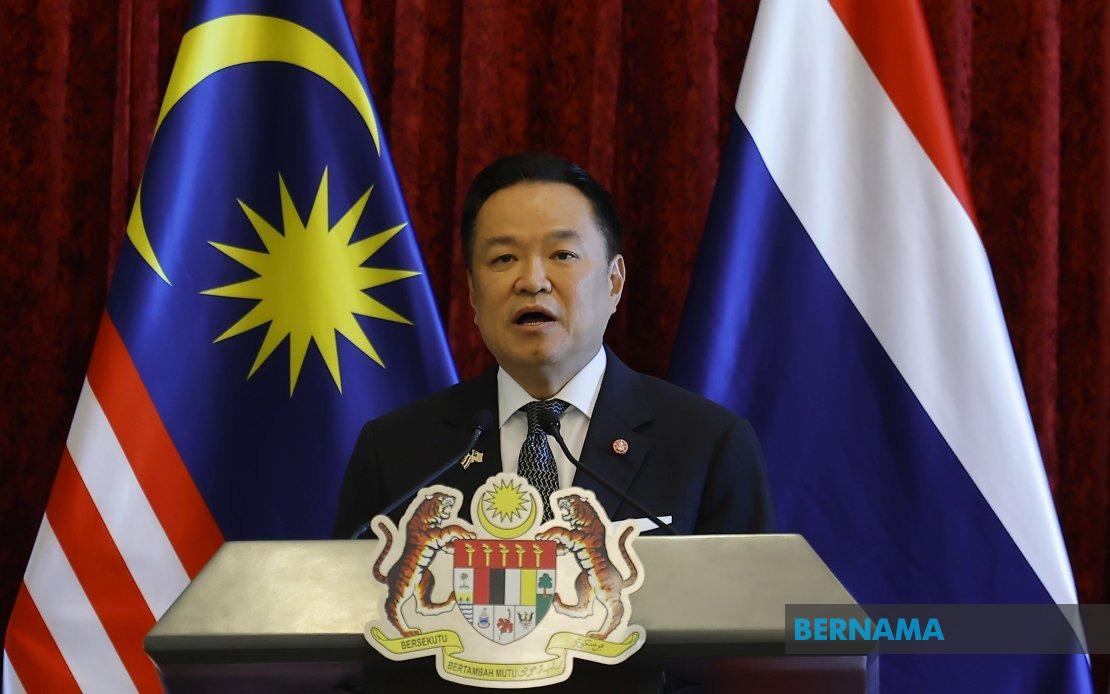
Thailand's Prime Minister Anutin Charnvirakul extended his best wishes to Malaysia's leader Datuk Seri Anwar Ibrahim as the nation prepares for a crucial state election in Johor this weekend. The gesture came during a joint press conference in Putrajaya following bilateral talks, underscoring the warm relations between the two Southeast Asian neighbours at the highest political level.
The upcoming Johor state election, scheduled for polling on Saturday, represents a significant political test for Anwar's administration. A total of 172 candidates are contesting for 56 state assembly seats, with Anwar's Pakatan Harapan coalition fielding representatives across all constituencies. The grouping, which encompasses PKR, DAP, and Amanah, has adopted a mixed approach to candidate selection, blending experienced political operators with fresh faces seeking to establish themselves in the legislative arena.
Anwar reciprocated the cordial sentiments, characterising his meeting with Anutin as both substantive and warm. The Malaysian premier highlighted the personal rapport between the two leaders, drawing a parallel to interactions amongst long-standing associates rather than formal diplomatic encounters. His remarks reflected the deepening personal chemistry that has developed between Malaysia and Thailand's leadership in recent years, extending beyond ceremonial protocol into genuine working relationships.
Anutin's visit marks his first journey to Malaysia since his reappointment as Thai Prime Minister in March 2026, signalling the significance both governments attach to bilateral engagement at this particular juncture. The two-day official visit was extended at Anwar's invitation, demonstrating Malaysia's eagerness to deepen institutional connections with its northern neighbour. Such high-level visits serve multiple purposes, reinforcing diplomatic ties whilst creating opportunities for substantive policy discussions that often remain unpublicised.
The bilateral agenda between Malaysia and Thailand encompasses a broad spectrum of mutual interests and shared challenges. Both nations face comparable economic pressures, security concerns, and developmental priorities that warrant coordinated approaches. Strengthening cooperation across these dimensions benefits the broader Southeast Asian region, which relies on stability and enhanced integration amongst its key players to sustain economic growth and address transnational issues.
For Malaysia, securing Thailand's goodwill carries particular relevance given their shared maritime border, historical people-to-people connections, and overlapping strategic interests in maintaining regional balance. The southern Thai provinces have significant ethnic Malay populations, creating humanitarian and cultural dimensions to the bilateral relationship that demand sensitive handling and sustained dialogue at governmental levels.
The timing of Anutin's visit, coinciding with Johor's electoral cycle, reflects the interconnected nature of regional politics. While the Thai premier's expression of support for Anwar may be interpreted as encouragement at a critical political moment, it also demonstrates how Southeast Asian governments maintain engagement with their counterparts regardless of domestic political fluctuations. This consistency in relations provides reassurance to both populations that bilateral ties transcend individual election cycles.
Anwar's emphasis on the comfort and relaxation he felt during discussions with Anutin suggests a relationship unburdened by outstanding disputes or significant friction points. This stands in contrast to some other bilateral relationships in the region that carry unresolved tensions. The absence of contentious issues in Malaysia-Thailand ties creates space for cooperative initiatives that can yield tangible benefits for both nations' development trajectories.
Looking ahead, the Johor election will determine the political complexion of a state long considered significant within Malaysia's federal structure. The outcome will influence not only domestic power dynamics but potentially affect regional perceptions of Anwar's broader political strength heading into subsequent national considerations. Thailand's government, like other neighbouring nations, will be monitoring developments with interest, as electoral outcomes in major Malaysian states often signal broader shifts in the country's political landscape.
The visit by Anutin also underscores how personal relationships between leaders can facilitate smoother diplomatic engagements and create platforms for discussing sensitive issues in informal settings. These interactions, whilst publicised through press statements, often mask substantive discussions on matters ranging from trade and investment to security cooperation and regional initiatives that require steady governmental commitment.
As Malaysia navigates the coming weeks of electoral activity, maintaining strong relationships with neighbouring governments provides valuable strategic ballast. Thailand's demonstrated commitment to working constructively with Malaysia's current administration offers the prospect of continued regional stability and cooperation, regardless of how domestic political outcomes reshape Malaysia's internal power structures in the months ahead.

