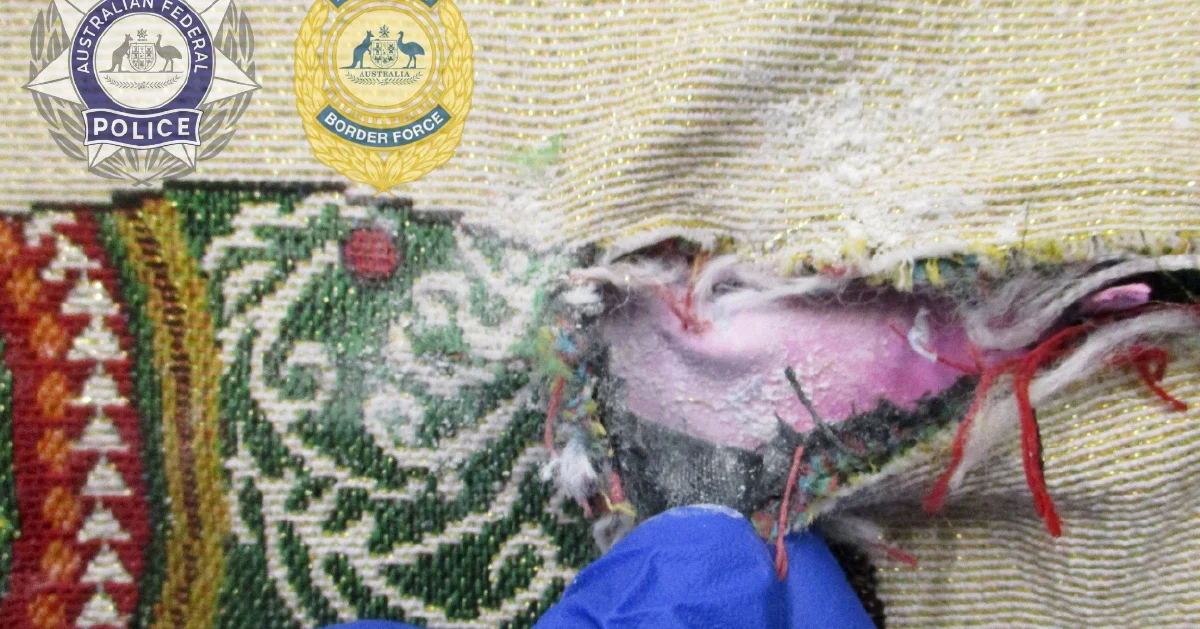
An employee of Thai Airways has been arrested and charged following the discovery of a significant heroin shipment at an Australian border, in what authorities describe as a sophisticated attempt to move narcotics into the country through air cargo channels. The Australian Federal Police confirmed that customs officials uncovered more than a kilogram of the drug concealed within tote bags, leading to charges being filed against the airline worker.
The discovery represents another high-profile incident highlighting the vulnerabilities that remain in international aviation supply chains, particularly when airline personnel are exploited to facilitate drug trafficking operations. The concealment method—using ordinary tote bags as a vehicle for smuggling—reflects the relatively low-tech approaches that organised crime syndicates continue to employ even as detection technologies become more sophisticated. That customs officials were able to identify the contraband suggests screening procedures at the relevant Australian airport are functioning effectively, though the sheer quantity involved raises questions about how much material might slip through undetected at various international hubs.
Thailand has long been positioned along major drug trafficking corridors in Southeast Asia, with criminal networks leveraging the country's extensive transportation infrastructure to move illicit substances throughout the region and beyond. The involvement of airline staff, whether knowingly or coerced, represents a critical vulnerability in the security chain. Workers with legitimate access to aircraft, cargo holds, and crew areas possess knowledge and opportunity that traffickers actively seek to exploit, often through inducements, blackmail, or threats directed at their families back home.
For Malaysian authorities and regional law enforcement, this incident underscores the persistent cross-border nature of drug trafficking challenges in Southeast Asia. The scope of the heroin market throughout the region remains substantial, with Afghanistan continuing to be the primary source of supply flowing through traditional routes via Pakistan, Central Asia, and onwards into Southeast Asia. Australia has become an increasingly attractive destination for traffickers due to the premium prices narcotics command in that market, creating powerful financial incentives for criminal groups to develop new smuggling methodologies and recruit individuals with access to international transport networks.
The Australian Federal Police and the country's Border Force agency have been intensifying efforts to intercept shipments at ports of entry, recognising that the vast majority of narcotics reaching Australia travel by air rather than sea. The agencies have invested significantly in detection technologies and intelligence-sharing partnerships with international counterparts, yet smugglers continually adapt their methods. The use of airline employees demonstrates how traffickers attempt to bypass conventional screening by moving contraband through channels that benefit from reduced scrutiny due to the operational trust placed in airline systems.
Regional implications extend beyond immediate law enforcement concerns. Thailand's reputation as a transit hub for drugs passing through Southeast Asia has prompted the government to strengthen airport security protocols and implement stricter oversight of airline staff. Nevertheless, the endemic corruption in some sectors means that determined criminal organisations can typically find individuals willing to participate for compensation that may range from relatively modest sums to substantial payments depending on the sophistication of the operation and the risk profile involved.
The charges filed against the Thai Airways employee will likely proceed through Australian courts, potentially resulting in substantial prison sentences if conviction is secured. Australia maintains some of the world's most severe penalties for drug importation offences, with sentences for trafficking larger quantities frequently exceeding a decade. For Thai nationals facing such charges abroad, the process involves navigating unfamiliar legal systems while managing diplomatic channels and potentially enduring lengthy pre-trial detention.
This case also highlights collaborative efforts between Thai and Australian authorities in addressing transnational crime. Information sharing and coordinated investigations have become increasingly important as drug trafficking organisations operate across multiple jurisdictions, requiring law enforcement agencies to work beyond their borders. The Thai government has expressed commitment to addressing trafficking through its ports and airports, though resource constraints and capacity limitations continue to hamper comprehensive enforcement efforts.
Looking forward, the incident suggests that airlines and their security protocols face ongoing challenges in preventing their operations from being exploited by traffickers. Employee screening, vetting procedures, and monitoring systems require continuous refinement to identify individuals who might be vulnerable to recruitment or coercion. The aviation industry across Southeast Asia must grapple with balancing operational efficiency against security imperatives, a tension that organised crime deliberately exploits when opportunities arise.

