Thai Airways International and the country's aviation regulator have pledged to cooperate fully with Australian law enforcement following the detention of one of their crew members and the discovery of a substantial heroin cache at Melbourne Airport. The incident, which unfolded when an international flight landed at the Australian terminal on Thursday, has triggered a coordinated response from Thai aviation authorities and highlights the complex challenges faced by carriers operating across multiple jurisdictions in maintaining security and upholding regulatory standards.
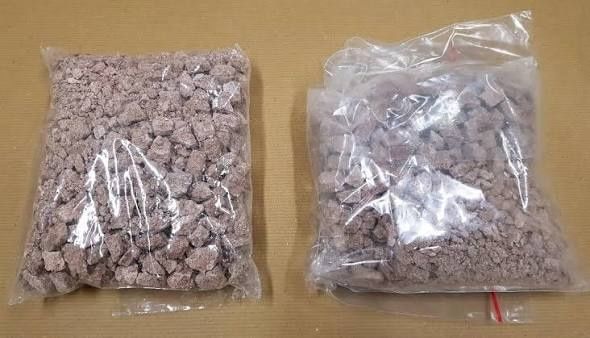
Australian Border Force officers initiated routine baggage screening procedures when the aircraft touched down, using X-ray examination technology to inspect the 26-year-old Thai national's personal luggage. During this inspection, officers identified a white powder that had been concealed within the bag's lining, leading to further investigation and the discovery of over one kilogramme of heroin. The seizure represents a significant drug trafficking incident and has drawn immediate attention from regulatory bodies on both sides of the Australia-Thailand border.
Thai Airways responded with a public statement emphasising its zero-tolerance approach to illicit substance involvement among personnel. The airline underscored that its employment regulations explicitly prohibit all staff members, regardless of position or seniority, from possessing, importing, or transporting illegal drugs or controlled substances. The carrier's statement sought to distance the airline as an institution from the alleged conduct of the individual crew member, characterising the matter as reflecting personal actions rather than systemic failings or corporate negligence.
The airline has already engaged with relevant legal authorities to ensure the detained crew member receives appropriate legal representation and protection of fundamental rights throughout the Australian judicial process. Thai Airways has committed to comprehensive cooperation with all investigating officers, signalling an intention to facilitate the investigation rather than obstruct it. This proactive engagement suggests the carrier recognises the gravity of the situation and understands the reputational consequences of any perceived obstruction of justice.
Thailand's Civil Aviation Authority of Thailand (CAAT), the primary regulatory body overseeing civil aviation security and operations, has initiated parallel investigations domestically. The regulator has coordinated with airport operators and airline representatives to verify the circumstances surrounding the incident and to review operational procedures that might be relevant to preventing similar occurrences. This institutional response reflects the seriousness with which Thai aviation authorities regard the matter and their commitment to maintaining public confidence in the safety and security of Thailand's aviation system.
The CAAT has confirmed that all passenger and baggage screening procedures conducted at Thai airports conform to its internal security standards and align with international benchmarks established by the International Civil Aviation Organization. This statement serves to reassure the travelling public that security frameworks operating within Thailand meet global best practices and are not deficient. The regulator emphasised the distinction between aviation security operations, which fall under its mandate, and narcotics law enforcement, which involves multiple statutory agencies operating within their specific jurisdictions.
The incident underscores the complexity of aviation security in an increasingly interconnected world where crew members regularly traverse international borders. While airlines and aviation authorities implement robust screening procedures, the determined efforts of individuals to circumvent these measures demonstrate that vigilance remains essential. The discovery at Melbourne represents a success for border security procedures, yet it also highlights vulnerabilities that could exist if screening protocols were to be compromised or inadequately implemented.
For Malaysian observers, this case carries particular relevance given Malaysia's own position as a major aviation hub with significant international air traffic. The incident illustrates how swiftly a single crew member's actions can implicate entire organisations and trigger multinational investigations. It also demonstrates the necessity for coordination between aviation authorities and law enforcement across borders, a mechanism that requires trust, clear communication protocols, and shared understanding of legal frameworks and procedures.
The case raises questions about recruitment, vetting, and ongoing monitoring of aviation personnel. While individual misconduct cannot always be predicted or prevented, airlines and regulators must continually assess whether their screening processes adequately identify potential risks. The incident may prompt Thai Airways and other carriers to review personnel management practices, particularly among international crew members who regularly work on long-haul routes with frequent stops at various international airports.
The CAAT has indicated that should the involved personnel be found guilty in Australian courts, the regulator will pursue disciplinary action under its regulatory powers as stipulated by Thai aviation law. Such action might range from licence suspension or revocation to other sanctions designed to uphold safety standards and protect public trust in Thailand's civil aviation system. This commitment to enforcement demonstrates that regulatory consequences will follow legal findings, reinforcing the seriousness with which aviation authorities treat breaches of conduct standards.
The investigation process will likely reveal details about how the heroin entered the crew member's possession and whether this represented an isolated incident or part of a broader pattern. Authorities in both countries will examine whether proper screening procedures were followed, whether any systemic gaps exist, and whether the individual acted independently or as part of a larger trafficking network. Such findings could inform future policy adjustments and operational procedures across both Thai and Australian aviation sectors.

