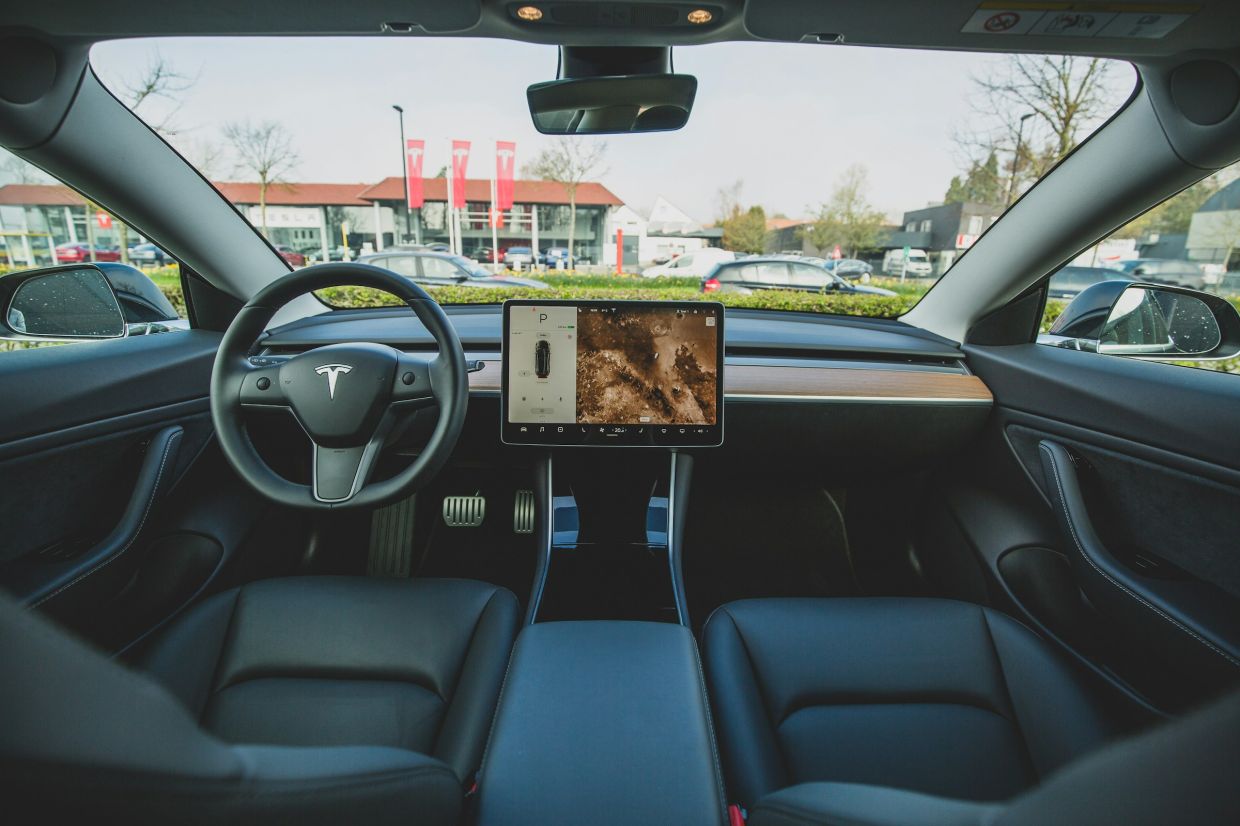
Tesla Inc has quietly resolved a lawsuit tied to a fatal 2023 collision in Arizona involving its Full Self-Driving technology, marking a significant development in ongoing scrutiny of the carmaker's autonomous-driving capabilities. The case centred on the death of Johna Story, a 71-year-old woman who was struck at speed by a Tesla Model Y SUV while standing on a highway to help direct traffic around vehicles disabled by severe sun glare. The settlement was reached without public disclosure of terms, and Tesla declined to comment on the resolution.
The circumstances surrounding Story's death underscore a critical vulnerability in Tesla's automation system. She had exited her vehicle on an Arizona roadway to assist other motorists after a series of collisions caused by blinding sunlight reduced visibility conditions. While engaged in this act of roadside assistance, a Tesla operating under the Full Self-Driving system struck her at high speed, making her the first confirmed pedestrian fatality directly linked to Tesla's autonomous technology. The tragedy occurred against a broader backdrop of road fatalities in the United States, where 40,901 deaths were recorded that same year.
Attorney Dustin Birch, representing Story's daughter, confirmed the settlement's completion through a brief statement, noting that his client wished to move forward from the ordeal. The legal resolution comes as regulatory pressure on Tesla intensifies significantly. No details regarding compensation or other settlement conditions were disclosed, and Tesla's legal representatives did not respond to inquiries seeking further information about the agreement or its implications for ongoing technical discussions with federal authorities.
The fatal crash triggered investigations that have become increasingly consequential for Tesla's strategic direction. The National Highway Traffic Safety Administration launched a formal inquiry in 2024 focused on whether Full Self-Driving poses an unacceptable safety hazard to road users. In a notable escalation this year, NHTSA elevated its examination to what regulators term an engineering analysis, a more rigorous investigative framework that signals serious systemic concerns requiring detailed technical scrutiny.
Central to the regulatory investigation is a specific technical failure: the system's inability to reliably detect and respond to degraded visibility conditions that impair camera function. Sun glare, dust, and fog represent common roadway scenarios where Tesla's technology has demonstrated critical gaps. According to NHTSA's findings, the system frequently failed to identify these visibility-degrading factors until immediately preceding a collision, leaving insufficient time for driver intervention. In multiple crashes reviewed by the regulator, Tesla's sensors either did not recognise the degraded state of visibility or failed to provide drivers with timely alerts permitting appropriate corrective action.
The regulatory agency documented a troubling pattern across reviewed incidents. Beyond the Story case, NHTSA identified additional collisions occurring in similar environmental conditions where Full Self-Driving either failed to recognise that visibility had deteriorated or neglected to alert the driver with adequate warning time. More concerning, the system consistently struggled with vehicle detection in these scenarios, frequently losing track of or never identifying vehicles directly ahead in its path. These findings suggest the problem extends beyond isolated incidents to represent a systemic deficiency in the technology's core perception capabilities.
For Elon Musk and Tesla's corporate strategy, autonomous-driving technology has become increasingly central to the company's long-term value proposition. The chief executive has positioned Full Self-Driving and the broader robotaxi vision as cornerstones of Tesla's future growth and profitability. The company has pursued regulatory approvals internationally for various iterations of the technology, seeking to expand its deployment globally. However, mounting evidence of safety gaps presents a direct challenge to these ambitious plans and raises questions about the timeline for achieving meaningful regulatory clearance in major markets.
The technical issues identified by NHTSA have prompted Tesla to initiate remedial measures. During an earnings conference call in April, Tesla executives disclosed that the company had begun replacing cameras on older vehicle models to address the visibility-detection problems flagged by regulators. These modifications represent an acknowledgment that the existing camera configuration in certain Tesla vehicles cannot reliably perceive road conditions essential for safe autonomous operation. Despite these corrective steps, Tesla indicated it continues coordinating with NHTSA on the investigation.
For Malaysian and Southeast Asian readers, this development carries implications beyond Tesla's immediate operational concerns. The regulatory pathway that NHTSA establishes through its current investigation will likely influence how automotive regulators in other jurisdictions, including Malaysia, approach approval of autonomous-driving systems. As autonomous-vehicle technology matures globally, the safety standards and testing protocols established by major regulatory bodies increasingly shape international compliance expectations. Malaysia's automotive sector, which has grown increasingly sophisticated, will need to monitor these regulatory developments closely as domestic policies on autonomous vehicles eventually emerge.
The broader context reveals a widening gap between industry ambitions and regulatory reality. While Tesla and other autonomous-vehicle developers advance their technology and deployment plans, safety investigations consistently identify critical gaps in perception and decision-making capabilities. The Story case exemplifies how real-world road conditions—particularly environmental factors affecting sensor reliability—present challenges that laboratory testing and simulation may not adequately capture. This mismatch between testing environments and actual roadway conditions represents a fundamental challenge for the autonomous-vehicle industry moving forward.
Looking ahead, the NHTSA investigation's progression will be closely watched across the automotive industry and regulatory community. Any enforcement actions or imposed modifications to Full Self-Driving's deployment could establish precedent affecting how other manufacturers' autonomous technologies are evaluated. The settlement's completion provides closure for Story's family but does not resolve the underlying technical and safety questions that prompted federal scrutiny. Tesla's continuing collaboration with NHTSA, coupled with its camera replacement initiative, suggests the company recognises the seriousness of the regulatory concerns. However, whether these steps prove sufficient to address the systemic visibility-detection issues identified by investigators remains an open question with significant implications for autonomous-vehicle deployment timelines across global markets.

