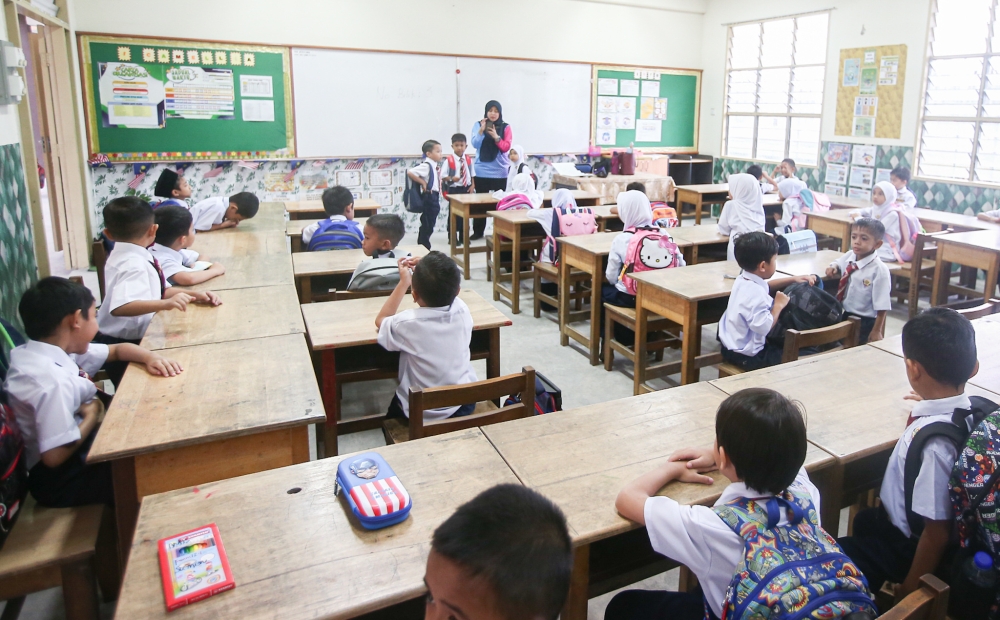
Educators across Malaysia face a mounting crisis of confidence, with teachers withdrawing from their traditional disciplinary role due to fears of legal action and hostile social media campaigns, according to the National Union of the Teaching Profession. The union's endorsement of proposed Teachers' Protection legislation reflects deepening concerns that the profession is being constrained by liability concerns at precisely the moment when classroom management requires decisive intervention.
The shift represents a significant departure from conventional educational practice in Malaysia. Historically, teachers exercised considerable authority in maintaining discipline, a principle enshrined in various standing orders and educational regulations. Today's environment, however, presents a fundamentally different calculus. Educators report hesitation before implementing even routine corrective measures, uncertain whether their actions will trigger formal complaints, parental litigation, or coordinated social media denouncements that can damage professional reputations and careers.
This defensive posture creates observable consequences within school systems. When teachers abstain from discipline, classroom management deteriorates, affecting learning outcomes and creating an uneven environment where students encounter inconsistent expectations. The dynamic particularly disadvantages conscientious educators who maintain standards and responsible pupils who benefit from orderly surroundings. Meanwhile, patterns of disruptive behaviour may escalate without appropriate intervention, compounding difficulties for school administrators.
The proposed Teachers' Protection Act responds to these practical realities by establishing clearer legal boundaries around disciplinary authority. Such legislation aims to distinguish between legitimate pedagogical intervention—actions undertaken in good faith to maintain learning environments—and genuine abuse or misconduct warranting accountability. By providing statutory safeguards, the framework potentially restores confidence among professionals who currently experience paralysis when confronting behavioural issues.
The union's position reflects feedback from membership across Malaysia's school system. Teachers report workplace anxiety that extends beyond immediate disciplinary moments into broader professional practice. Some educators describe self-censoring comments in classroom discussions, avoiding one-on-one meetings with students absent witnesses, or selecting more cautious pedagogical approaches despite recognising that alternative methods might better serve particular learners. These adaptations represent hidden costs within educational delivery, constraining teacher effectiveness in ways difficult to quantify but consequential for student development.
Parental and public attitudes toward school discipline have undergone transformation, partly reflecting global discourse emphasising student rights and protection against institutional abuse. While such protective impulses address legitimate concerns about educator misconduct, the pendulum's swing has created unintended consequences. Parents increasingly contest school disciplinary decisions through formal complaints or legal channels, sometimes with assistance from advocacy organisations. Online platforms amplify individual incidents into community controversies, occasionally misrepresenting context or educator intentions in ways that nonetheless damage professional standing.
The legal landscape surrounding teacher conduct has expanded substantially. Malaysian courts have addressed cases involving alleged assault, harassment, or dignity violations during disciplinary proceedings. While most cases involve scenarios genuinely concerning abuse, the mere existence of legal vulnerability deters teachers from taking proportionate corrective action in routine situations. Insurance considerations further complicate matters—professional indemnity coverage may not extend to all disciplinary scenarios, leaving educators personally exposed to legal costs even when ultimately vindicated.
For Malaysia's education sector, this dynamic poses systemic challenges. Teachers constitute the profession's frontline, implementing curriculum and shaping student development daily. When institutional frameworks undermine teacher confidence in exercising legitimate professional judgment, system-wide effects inevitably follow. The quality of classroom management directly influences learning outcomes, particularly for disadvantaged students who may lack stable home environments supporting educational engagement. Diminished teacher authority indirectly disadvantages such pupils most severely.
The proposed legislation attempts to recalibrate these dynamics by clarifying that teachers acting within professional parameters deserve legal protection. Such frameworks would establish that discipline undertaken in accordance with school policies and educational regulations, implemented proportionately and with genuine educational purpose, receives statutory recognition as lawful exercise of professional duty. This distinction matters substantially, as it signals public and legal systems' acceptance that teaching inherently involves authority relationships requiring professional judgment.
Implementing such protection requires careful calibration. Legislation must distinguish between legitimate authority and genuine misconduct without creating blanket immunity shielding genuine abuse. Most effective frameworks include mechanisms ensuring protection applies only when educators follow established procedures, avoid discriminatory application, and document their actions appropriately. Such guardrails maintain accountability while providing confidence that good-faith professional decision-making receives legal support.
The NUTP's advocacy comes amid broader Southeast Asian discussions about teacher professionalism and institutional support. Regional peers face comparable pressures from litigious parents, social media scrutiny, and evolving legal interpretations of educator authority. Malaysia's policy response will influence regional conversations about how democracies balance student protection with teacher empowerment, student rights with educator confidence, and institutional accountability with professional autonomy.
Successful implementation requires parallel efforts beyond legislation. Schools must maintain clear discipline policies, provide professional training in fair application, establish transparent appeal mechanisms, and communicate expectations to parents and communities. Teachers require institutional backing when controversies emerge—schools must defend educators who followed procedures rather than reflexively accepting external pressure. Education ministries must reinforce messaging that teacher authority, exercised responsibly within professional parameters, remains essential to effective schooling.
Ultimately, the Teachers' Protection Act represents recognition that education systems function optimally when professionals possess both authority to lead and confidence that reasonable exercise of that authority receives institutional and legal support. Malaysia's teaching profession, like its regional counterparts, requires frameworks enabling educators to fulfil their responsibilities without paralysing fear, creating environments where discipline and learning can flourish together.

