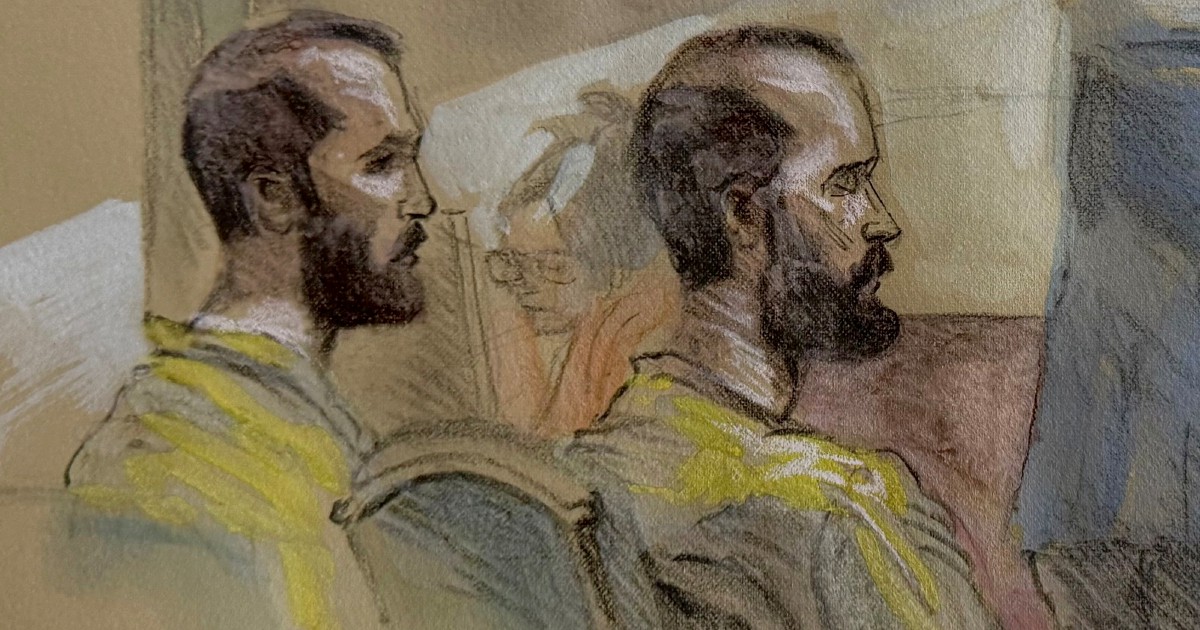
The legal troubles facing prominent social media figures Andrew and Tristan Tate have taken another turn, with both brothers remaining behind bars in a Miami federal detention facility as their fight against extradition to Britain continues. During proceedings held in Miami federal court on Thursday, Magistrate Judge Lauren Louis chose not to immediately decide on a bail petition filed by the brothers, effectively keeping them in federal custody pending her formal ruling on the matter.
The Tate brothers, who have cultivated substantial followings through their social media presence, now face serious allegations in the United Kingdom. British authorities have initiated rape charges against both men, prompting the formal extradition request that has brought them into the American federal court system. The decision to defer bail determines their immediate status as the legal battle unfolds across the Atlantic.
Andrew and Tristan Tate have mounted an aggressive challenge to the extradition proceedings, contesting the US government's authority to transfer them to British custody. Their legal strategy appears focused on exhausting available appeals and procedural arguments within the American court system. Judge Louis's decision to withhold an immediate ruling suggests she may require additional briefing or evidence before making her determination on bail eligibility during the extradition process.
For Malaysian observers following international legal cases, the Tate situation illustrates how the modern digital economy has created international figures whose actions can trigger coordinated law enforcement responses across multiple jurisdictions. The brothers built their prominence through online content and social media engagement, accumulating influence that crossed geographical boundaries. When allegations emerged, British authorities pursued formal charges, and the American legal system became an unexpected venue for resolution.
The mechanics of extradition cases involve complex procedural questions about the strength of evidence, the adequacy of due process protections in the requesting country, and bail considerations. Judge Louis's decision to delay her bail ruling indicates she is likely gathering comprehensive legal documentation to ensure her decision withstands appellate scrutiny. Such cases often hinge on technical details that can consume months of litigation.
The brothers' continued detention carries significant implications for their defence strategy. Remaining incarcerated while mounting legal challenges typically strains resources and complicates attorney coordination. However, magistrate judges in federal courts consider various factors when determining bail in extradition matters, including flight risk, the severity of allegations, and ties to the jurisdiction. The Tate brothers' international profile and resources might factor into judicial calculations about their likelihood to appear for proceedings.
British authorities view the extradition request as a necessary step toward pursuing justice in their jurisdiction. The rape charges represent serious criminal allegations requiring prosecution through appropriate legal channels. From the British perspective, securing custody of the defendants constitutes a priority, particularly given their access to financial resources that might enable evasion of the justice system.
For Southeast Asian legal professionals and observers, the Tate case demonstrates how social media prominence creates heightened vulnerability to serious criminal charges in multiple countries. Unlike traditional figures whose influence remained geographically concentrated, digital content creators operate in a globalized environment where their actions and statements reach audiences worldwide. This expanded reach simultaneously increases exposure to criminal allegations originating from diverse jurisdictions and legal systems.
The procedural path forward likely involves substantial written briefing by both the defence and prosecution, addressing bail eligibility under applicable extradition law. Judge Louis may schedule additional hearings to examine specific evidence or hear oral arguments on contested legal questions. Each procedural step moves the case closer toward a final determination about whether the brothers will face trial in British courts or succeed in blocking extradition through legal challenge.
Meanwhile, the detention period extends the uncertainty surrounding the brothers' ultimate legal fate. If extradition proceeds, they face navigating the British criminal justice system on rape allegations of undisclosed specifics. If their legal challenges succeed, they remain subject to potential prosecution in American courts or continued legal proceedings. The stakes involved in Judge Louis's forthcoming ruling cannot be overstated, as her decision will substantially determine which jurisdiction ultimately exercises authority over their prosecution.
The international dimensions of this case highlight evolving challenges for law enforcement and courts dealing with globally connected individuals. Modern technology enables rapid cross-border coordination among authorities in different nations, yet also complicates defence strategies that must account for multiple legal systems simultaneously. The Tate brothers' case will likely influence how American courts approach future extradition requests involving internet-based figures with substantial international audiences and operations.

