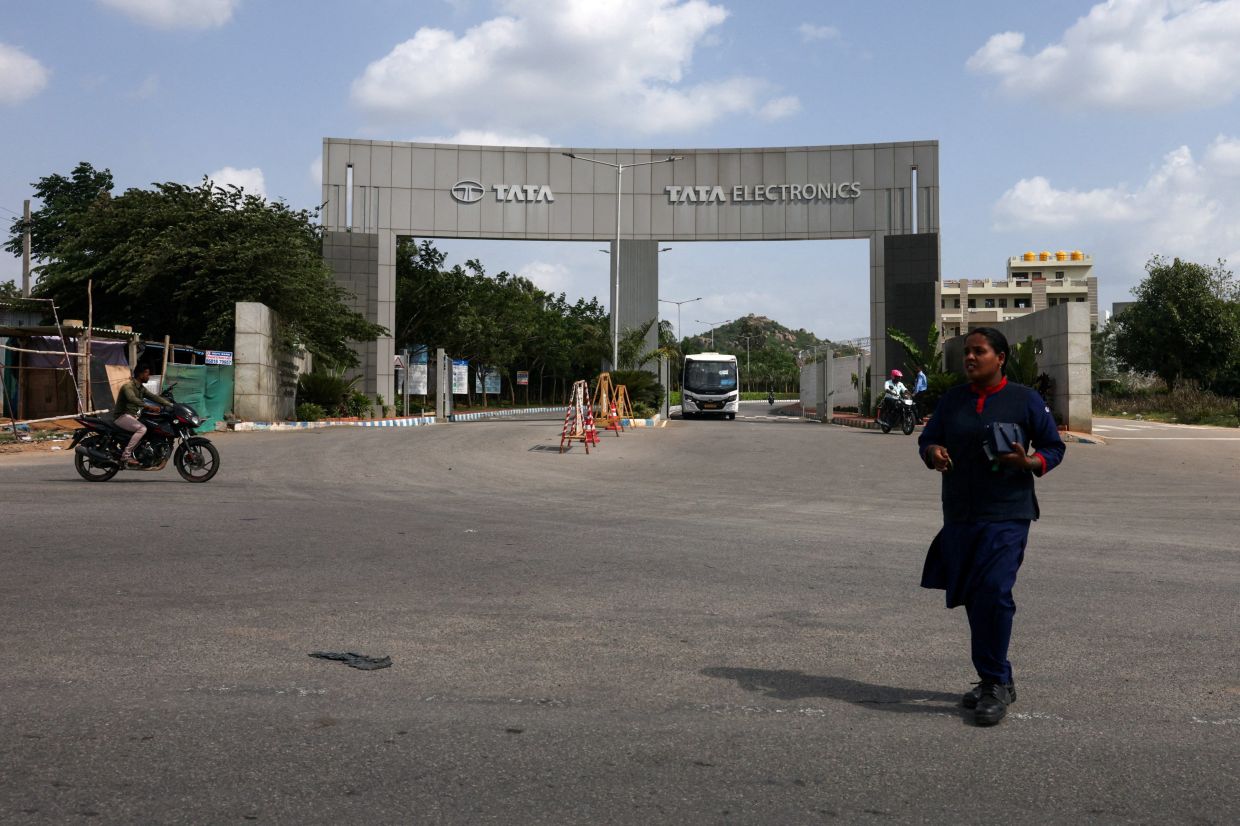
Tata Electronics has confirmed a cybersecurity breach after researchers discovered that a ransomware group known as World Leaks posted purported trade secrets and component design specifications belonging to Apple and Tesla on the dark web. The incident represents a significant vulnerability in the global supply chain and comes at a critical juncture for India's push to establish itself as a major electronics manufacturing hub independent of China. Tata said it detected the breach several weeks prior to disclosure and immediately deployed response protocols, insisting that day-to-day operations remained unaffected by the intrusion.
The scale of the breach is substantial. Researchers examining the dark web posting confirmed that World Leaks has made available more than 200,000 files totalling over 630 gigabytes of data allegedly stolen from Tata's systems. The ransomware group, which has previously claimed responsibility for breaching Nike, published the material on its dark net website, accessible only through specialised browsers beyond the reach of conventional search engines. A second source indicated the data has been circulating on the dark web since at least June 10, suggesting a significant window during which competitors or other malicious actors could have accessed the information.
Apple is actively investigating the breach, according to sources familiar with the matter who disclosed that Tata received an accompanying ransom demand. However, both Apple and Tesla declined to comment publicly on the incident or their respective investigations. The breach carries particular significance for Apple given its strategic reliance on Tata as a manufacturing partner in India. The Cupertino-based technology giant currently relies on Tata Electronics to produce approximately one third of its global iPhone inventory, a proportion that has grown substantially as Apple seeks to diversify its manufacturing footprint away from China and reduce geopolitical risks to its supply chain.
Indian cybersecurity researcher Rajshekhar Rajaharia, who examined the leaked files for analysis, identified materials that would be highly valuable to competitors or those seeking to reverse-engineer products. A search of the database returned 181 files and folders related to Apple, including what appeared to be a 52-page document bearing Apple's proprietary markings that detailed quality inspection standards for iPhone circuit board components. The database also contained 33 files and folders referencing Hosur, the location of Tata's primary iPhone assembly facility in Tamil Nadu state. Additional materials included employee identification documents, email correspondence, system event logs spanning several years, and passport copies of both Indian and foreign national staff members.
The Tesla-related materials reveal equally sensitive information. The leaked files include a purported reference to an "NV36 Chargeport Controller" designed for the upgraded Model Y sport utility vehicle, as well as manufacturing specifications for Tesla's Project Highland, the company's publicly acknowledged internal codename for a redesigned Model 3 sedan. A document dated May 2025 describing itself as containing "TRADE SECRET" information was among the materials examined by researchers. Multiple files carried proprietary footer markings identifying them as confidential information belonging to Tesla Inc., underscoring the sensitivity of the compromised materials.
This cyber incident compounds existing challenges facing Tata's operations in India. The company currently faces scrutiny over alleged contamination of agricultural land adjacent to one of its iPhone manufacturing facilities, an environmental issue that has attracted regulatory attention and raised questions about the sustainability of its Indian operations. The timing of the breach also comes as Tata remains in the early stages of recovery from a separate major cyberattack that struck its British automotive subsidiary, Jaguar Land Rover, last year. That incident resulted in a six-week suspension of manufacturing output, demonstrating the company's vulnerability to sophisticated cyber threats and the operational consequences such breaches can trigger.
The breach underscores Prime Minister Narendra Modi's ambitious agenda to transform India into a global electronics manufacturing powerhouse and reduce the nation's technological dependence on China. Tata has emerged as a cornerstone of this strategy, receiving significant investment and policy support to expand its capacity to manufacture products for leading global technology companies. However, the security incident raises uncomfortable questions about India's cybersecurity infrastructure and the ability of Indian manufacturers to protect the intellectual property of international clients. The breach demonstrates that expansion into new manufacturing geographies carries cybersecurity risks that companies must carefully evaluate when making supply chain decisions.
Responses from Indian government authorities have been muted. The Indian Computer Emergency Response Team, a unit within India's IT ministry responsible for coordinating responses to significant cyber incidents, did not immediately provide comment or official confirmation of the breach. This slow response from government agencies suggests potential coordination challenges between the private sector and public authorities in addressing large-scale cyber incidents. The lack of rapid official acknowledgement from regulatory bodies may hamper efforts to understand the full scope of the breach and implement preventive measures across India's broader electronics manufacturing ecosystem.
The incident illustrates the evolving threat landscape confronting global supply chains in an era of increasingly sophisticated ransomware operations. World Leaks and similar groups operate with apparent impunity on the dark web, extracting and publishing sensitive data without immediate fear of law enforcement intervention. The group's willingness to target major multinational corporations and their suppliers suggests that no company is immune to such attacks, regardless of size or resources. For companies like Apple and Tesla, the breach represents not merely a loss of proprietary information but a potential competitive disadvantage if competitors gain access to design specifications, manufacturing processes, or quality control procedures.
Tata informed certain employees at its iPhone assembly operations of the data breach during the previous week, indicating that internal communication about the incident was limited in scope initially. This selective disclosure approach may have been deliberate to prevent panic or limit information diffusion, but it also suggests that the full extent of internal awareness regarding the breach's implications remained unclear even days after Tata went public with its disclosure. The company's statement emphasising operational continuity was clearly intended to reassure customers and investors, yet questions remain about how thoroughly the company has investigated the breach and what additional compromised systems may yet be discovered.
For Malaysia and broader Southeast Asia, the Tata Electronics breach carries important lessons about the risks of relying heavily on any single manufacturing hub, even one experiencing rapid expansion. Malaysian electronics manufacturers and contract assemblers, who compete directly with Indian counterparts for global contracts, should view this incident as a cautionary tale about the cybersecurity investments necessary to maintain customer confidence. As companies relocate manufacturing from China to countries like India, Vietnam, and Malaysia, cybersecurity capability must develop in parallel with production capacity. The breach reinforces that maintaining strong data security protocols and demonstrating compliance with international security standards has become essential to winning and retaining high-value manufacturing contracts from global technology leaders.

