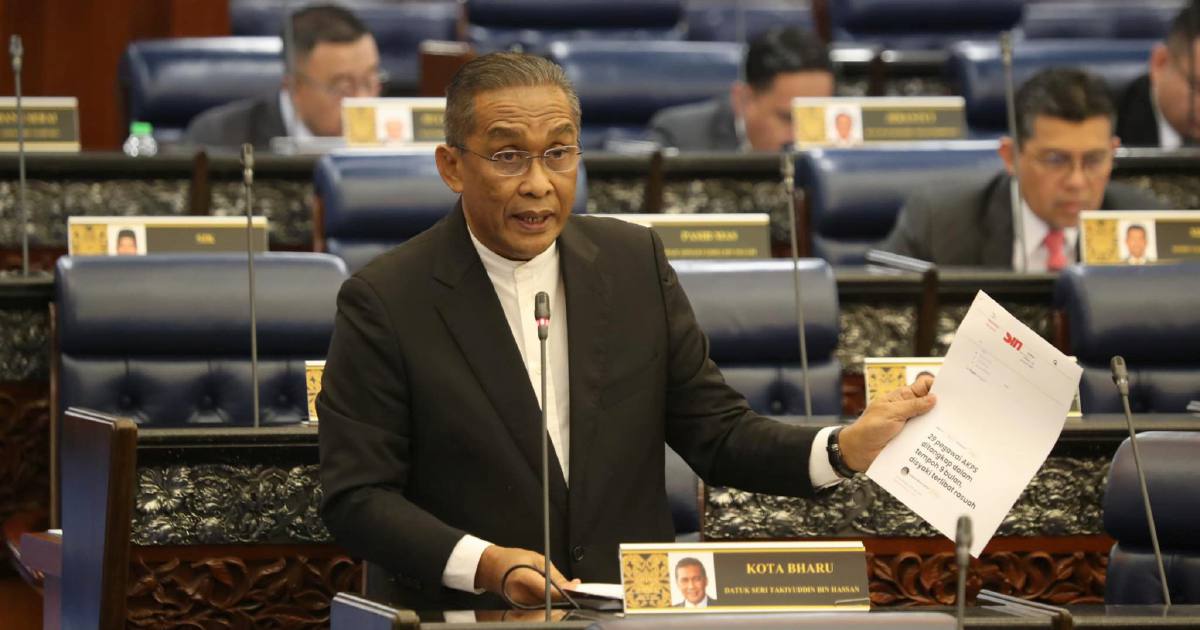
Opposition chief whip Datuk Seri Takiyuddin Hassan has urged the deferment of a special parliamentary session scheduled to examine the Royal Commission of Inquiry report on Tabung Haji, arguing that deliberations should await Prime Minister Datuk Seri Anwar Ibrahim's presence in the Dewan Rakyat. The timing of such a significant national discussion carries considerable weight in Malaysia's political calendar, particularly given the sensitivities surrounding the hajj fund and past governance controversies.
The Tabung Haji RCI investigation represents one of the most scrutinised inquiries into financial management within Malaysia's public institutions. The hajj pilgrimage fund manages billions of ringgit belonging to millions of Malaysian Muslims, making its operational integrity and governance standards matters of paramount public concern. Any Royal Commission findings carry far-reaching implications not only for institutional accountability but also for the confidence Malaysian pilgrims place in the system that safeguards their sacred journey savings.
Takiyuddin's intervention signals the opposition's desire to ensure the parliamentary discussion achieves maximum impact and legitimacy. Having the Prime Minister absent from such proceedings would undermine the gravity of the occasion and potentially limit the government's ability to respond comprehensively to the RCI's recommendations. In Malaysia's Westminster-influenced parliamentary tradition, the presence and direct engagement of the head of government during critical policy debates substantially influences the weight and receptiveness of parliament's deliberations.
The opposition chief whip's position reflects broader parliamentary conventions regarding major state business. When investigating bodies present findings that touch on institutional governance, financial stewardship, and public trust, convention typically dictates that senior government leadership should be available to hear concerns directly and articulate responses. An absence could be construed as indicating insufficient priority, though practical scheduling demands sometimes necessitate such arrangements.
Anwar Ibrahim's parliamentary attendance has become a watched indicator in Malaysia's political landscape. As Prime Minister, his presence signals commitment to specific legislative and investigative matters. For opposition members, his participation in the Tabung Haji RCI discussion provides an opportunity for direct questioning and engagement on an issue with tangible consequences for millions of Malaysian citizens and their accumulated savings.
The Tabung Haji institution itself carries deep cultural and religious significance across Malaysia's Muslim majority population. Beyond its financial dimensions, the fund represents a sacred trust and tangible expression of pilgrimage aspirations for ordinary Malaysians. When governance questions arise regarding such institutions, they resonate across demographic and socioeconomic lines, affecting not just investors but also their families and communities.
Postponement requests in parliament typically succeed when they command cross-party agreement or when procedural circumstances genuinely prevent meaningful deliberation. Takiyuddin's call suggests potential receptiveness within government circles, though parliamentary leadership must balance such requests against accumulated business and the need to maintain legislative momentum. The decision ultimately rests with the government's parliamentary scheduling authority.
The RCI report itself will likely contain specific findings and recommendations addressing past management practices, financial controls, investment decisions, and governance frameworks. These technical and policy dimensions require informed parliamentary discussion, but they equally demand that government representatives can speak authoritatively and respond substantively. The Prime Minister's availability ensures that parliament receives comprehensive answers to potentially complex questions about institutional reform and financial accountability.
For Malaysian citizens who have contributed to Tabung Haji over decades, the parliamentary examination of the RCI report represents a public opportunity to understand governance standards and future safeguards. Postponing to secure Anwar Ibrahim's presence could enhance the proceedings' credibility and ensure that responses carry appropriate ministerial weight, ultimately serving stakeholder interests.
The broader context involves Malaysia's ongoing commitment to strengthening institutional governance across public bodies. Investigations like the Tabung Haji RCI represent mechanisms for identifying systemic weaknesses and initiating reforms. Robust parliamentary scrutiny of RCI findings strengthens accountability mechanisms and demonstrates government responsiveness to governance concerns. Stakeholders across Malaysia's political spectrum increasingly expect public institutions to operate under heightened transparency and accountability standards.

