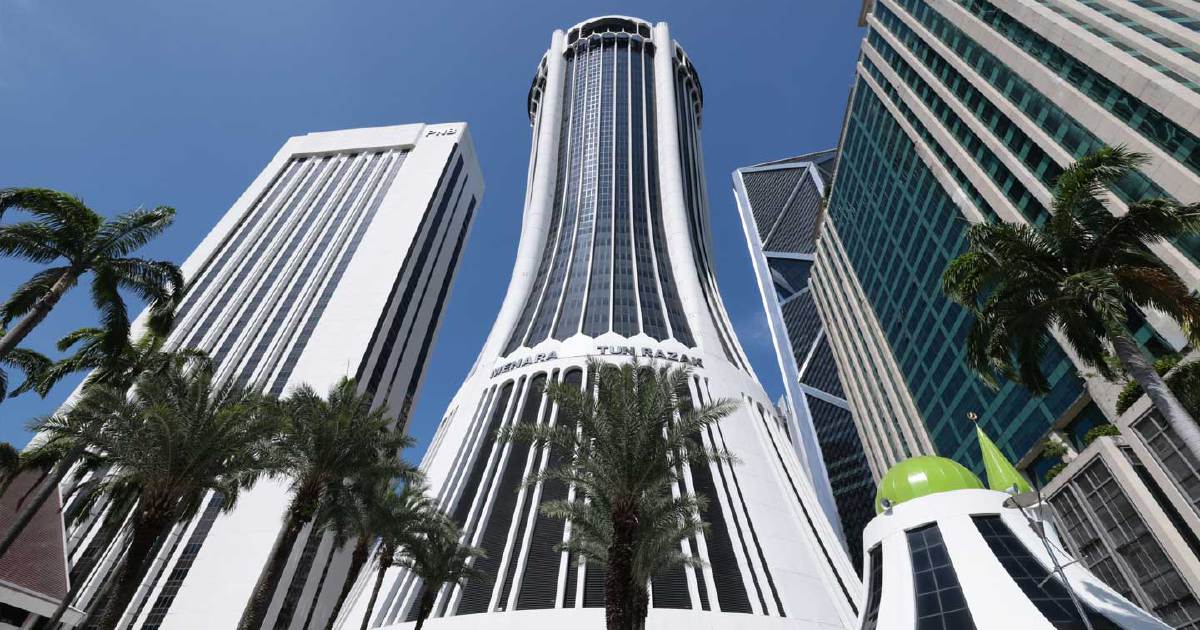
The comprehensive investigation into Tabung Haji has reached its conclusion, with Prime Minister Datuk Seri Anwar Ibrahim indicating that the Royal Commission of Inquiry's final report could become public within hours rather than weeks. The timing of disclosure now hinges on administrative procedures within the Cabinet, specifically whether formal ministerial sign-off is required before the document enters the public domain. This signals that the long-scrutinised pilgrim fund may finally face detailed scrutiny regarding its operational challenges and financial management.
Tabung Haji, formally known as Lembaga Tabung Haji, occupies a unique position in Malaysia's financial architecture. As the institution responsible for facilitating pilgrimage to Mecca whilst managing the savings of millions of Muslim Malaysians, the fund holds substantial public trust and significant accumulated capital. The decision to establish a Royal Commission of Inquiry into its operations reflected mounting concerns about the organisation's financial performance and internal governance structures that had accumulated over several years.
The inquiry process itself represents an important governmental mechanism for examining complex institutional matters. A Royal Commission of Inquiry typically conducts extensive interviews, examines financial records, and investigates allegations of mismanagement or irregularities. The completion of this investigation suggests that commissioners have finished gathering evidence and compiling their findings into formal recommendations for government consideration and potential policy action.
For Malaysian Muslims who maintain accounts with Tabung Haji, the release of this report carries direct implications. Many savers have entrusted the institution with substantial sums specifically designated for their pilgrimage journeys, making transparency about the fund's financial health and operational integrity a matter of personal significance. The report's findings could shape future regulatory frameworks governing how the institution manages these accumulated funds and operates its investment portfolio.
The broader financial sector will also monitor the inquiry's conclusions closely. Malaysian regulatory authorities and banking institutions view Tabung Haji as a significant player in the nation's Islamic finance ecosystem. The report may offer insights into governance gaps or operational weaknesses that could inform policy discussions about strengthening oversight mechanisms across comparable institutions serving specialised financial purposes.
Regionally, Malaysia's approach to investigating its major financial institutions sends a message about institutional accountability. Other countries in Southeast Asia with similar pilgrimage funds or religious financial entities may reference this inquiry's methodology and findings when considering their own governance frameworks. The transparency demonstrated through releasing the final report publicly reinforces Malaysia's commitment to institutional accountability in the Islamic finance sector.
The procedural question regarding Cabinet approval illustrates how Malaysian government machinery handles sensitive institutional investigations. Depending on the RCI's specific recommendations—whether they suggest legislative changes, administrative reforms, or personnel adjustments—Cabinet ratification may be required before formal release. This administrative step, while sometimes creating bureaucratic delays, ensures that government bodies have reviewed the document's implications before public discussion commences.
The timing of the report's release matters considerably for Tabung Haji itself. Quick public disclosure would allow the institution to begin addressing any recommendations without extended periods of uncertainty. Stakeholders—including pilgrims, fund participants, and the institution's board—could transition from speculation about findings to concrete action planning based on the actual investigation conclusions rather than speculation filtered through media reports.
Previous controversies surrounding Tabung Haji's financial performance, including questions about investment returns and asset management strategies, have generated sustained public discussion. The RCI report now offers an opportunity to separate documented findings from allegations, providing evidence-based conclusions about what actually transpired within the organisation. This clarity matters greatly for restoring or reinforcing public confidence in an institution managing resources earmarked for one of Islam's Five Pillars.
The Prime Minister's public indication that release could occur imminently demonstrates government responsiveness to demands for transparency. By signalling that the report's publication depends primarily on administrative procedures rather than remaining indefinitely within government chambers, the administration signals its commitment to eventually delivering answers to public questions that have accumulated regarding Tabung Haji's operations and financial stewardship.
Looking ahead, the RCI report will likely catalyse discussions about regulatory reform and institutional strengthening. Whether recommendations focus on enhanced financial oversight, improved transparency mechanisms, governance restructuring, or operational modifications, the investigation findings should provide authoritative guidance for how Malaysia's pilgrimage fund can better serve its participants whilst maintaining financial prudence. The coming days will determine whether these insights become available for public deliberation and policy formulation.

