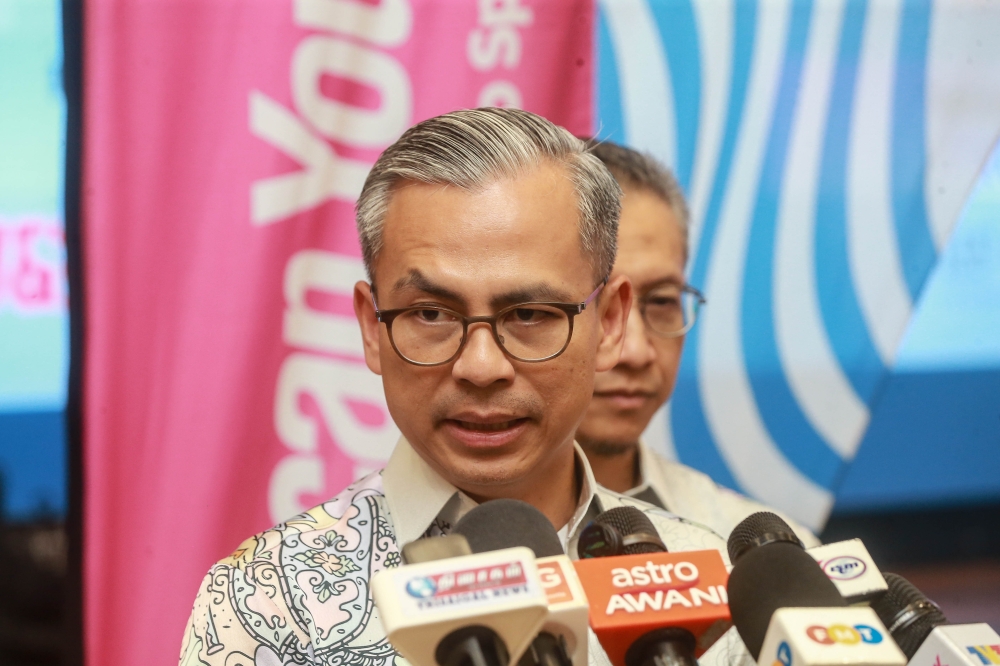
The government has initiated a multi-agency enforcement response to allegations of misconduct at Lembaga Tabung Haji, with Communications Minister Fahmi Fadzil announcing that the Royal Commission of Inquiry report will be distributed to the Royal Malaysia Police, Malaysian Anti-Corruption Commission, Bank Negara Malaysia, and the Inland Revenue Board for thorough investigation and appropriate legal action.
This coordinated referral represents a significant escalation in the scrutiny of Malaysia's Islamic pilgrimage savings institution, which manages funds for millions of Muslim Malaysians saving for the hajj pilgrimage. The RCI's investigations uncovered governance lapses and financial irregularities that warrant criminal examination across multiple regulatory domains, reflecting the complexity of potential violations spanning anti-corruption law, banking regulations, and tax compliance.
The involvement of Bank Negara underscores the severity of concerns regarding how Tabung Haji managed depositor funds and conducted its operations as a non-banking financial institution. As the nation's monetary authority, Bank Negara holds supervisory responsibility over such entities and will assess whether breaches of financial conduct standards occurred. The board will examine whether institutional controls were adequate and whether management acted within their legal and regulatory obligations to safeguard public assets.
The Malaysian Anti-Corruption Commission's engagement signals investigation into potential abuse of position and improper dealings by officials and board members. The MACC will determine whether decisions regarding fund deployment, investment strategies, or contract awards involved conflicts of interest or bribery. Given that Tabung Haji serves a trust function managing savings of millions of Malaysians, any corrupt practices would constitute serious violations affecting vulnerable populations, particularly elderly pilgrims and lower-income savers.
Police involvement indicates potential criminal misconduct requiring investigation under the Penal Code and related criminal statutes. This may encompass fraud, embezzlement, or conspiracy charges depending on the evidence uncovered. The RCI report presumably contains specific allegations with sufficient detail to warrant police examination and potential prosecution of individuals implicated in wrongdoing.
The Inland Revenue Board's participation addresses questions about whether Tabung Haji complied with tax obligations and whether any transactions involved tax evasion or improper financial reporting. As a government-linked institution handling public funds, comprehensive tax compliance is essential, and the IRB will verify whether all applicable obligations were fulfilled.
This multi-pronged enforcement approach reflects international best practice in complex financial investigations, particularly where institutional failures may involve multiple regulatory breaches simultaneously. By engaging specialized agencies, Malaysian authorities ensure that each dimension of potential wrongdoing receives expert scrutiny appropriate to its legal and regulatory character. The approach also demonstrates commitment to accountability in managing public trust institutions.
For Malaysian pilgrims and their families, this enforcement action addresses long-standing concerns about Tabung Haji's financial stability and management integrity. The institution's central role in Islamic financial practice in Malaysia, combined with its substantial asset base accumulated from millions of savers, means governance failures carry profound implications for religious obligations and financial security. Comprehensive investigation provides opportunity to restore public confidence and identify necessary institutional reforms.
The referral also carries significance for Malaysia's broader governance agenda and regional financial stability. As Southeast Asian economies increasingly integrate and share financial system risks, credible investigation and enforcement regarding major financial institutions signals commitment to accountability standards that support regional economic confidence. Foreign investors and international partners view rigorous domestic enforcement as indicator of institutional strength and rule of law adherence.
Stakeholders await outcomes from each investigating agency, which will determine whether criminal charges are pursued and what remedial measures are necessary. The timeline for investigations remains unclear, though complex financial cases typically require months of detailed examination. Public disclosure of findings will be crucial for rebuilding confidence in an institution that serves millions of Malaysians' religious and financial aspirations.
Beyond immediate investigations, the RCI report's distribution to enforcement agencies should inform broader institutional reform discussions. Whether Tabung Haji requires structural changes, enhanced governance frameworks, or revised regulatory oversight will likely emerge from investigative findings. Such reforms would strengthen protections for future pilgrims and ensure the institution fulfils its trust obligations responsibly.

