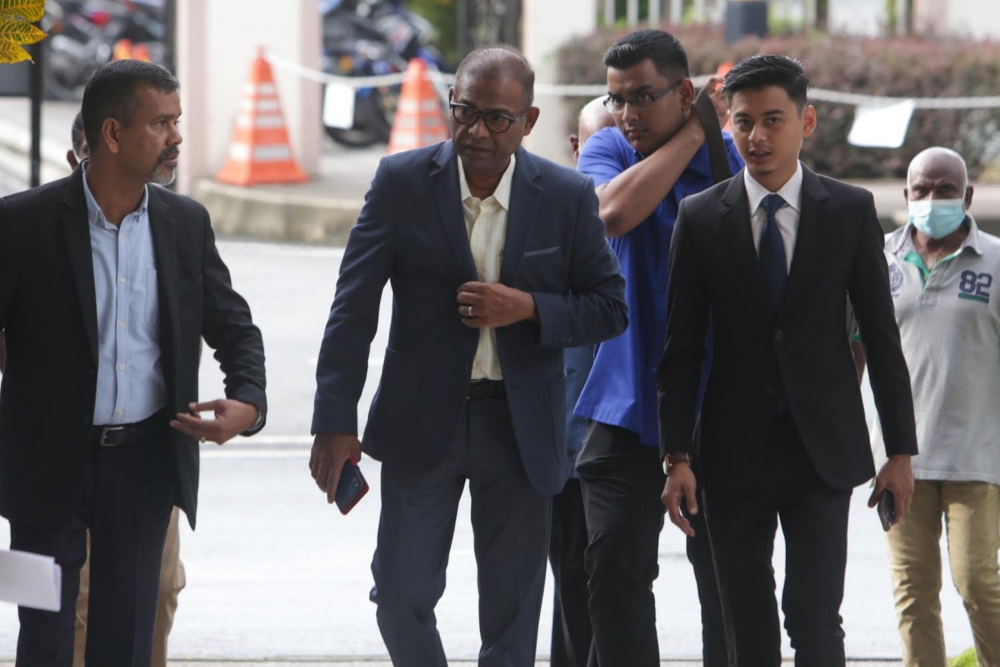
The family of former Baling Member of Parliament Datuk Seri Abdul Azeez Abdul Rahim moved swiftly on Friday to counter widespread speculation circulating on social media platforms, which had suggested imminent arrest by the Malaysian Anti-Corruption Commission over matters related to the Tabung Haji Royal Commission of Inquiry. His son issued a categorical denial of these claims, characterising them as unfounded rumours devoid of factual basis.
The emergence of these unverified reports highlights the volatile nature of social media discourse surrounding high-profile political and financial investigations in Malaysia. Tabung Haji, the pilgrimage fund management body, has been at the centre of significant scrutiny following concerns about its financial management and governance. The establishment of a Royal Commission of Inquiry underscores the government's commitment to examining allegations thoroughly, yet such investigations frequently trigger speculation and conjecture among online communities.
Datuk Seri Abdul Azeez, who represented the Baling constituency, maintains longstanding prominence within Malaysian political circles. The circulation of arrest rumours without official confirmation from law enforcement agencies demonstrates the challenge authorities face in managing misinformation during sensitive inquiries. The MACC, as the primary anti-corruption investigative body, typically announces any formal action through official channels rather than allowing narratives to develop through unverified online sources.
The family's intervention reflects growing awareness among public figures of the need to address damaging speculation promptly. In an environment where unsubstantiated claims can rapidly accumulate credibility through social media amplification, denial statements have become integral to reputation management. The proactive response suggests the family views the rumours as sufficiently prevalent to warrant formal contradiction.
Tabung Haji's governance challenges have attracted sustained public attention over recent years. The fund manages billions of ringgit in savings from Muslims preparing for the hajj pilgrimage, rendering its operations a matter of significant public interest. Questions surrounding investment decisions, financial transparency, and administrative oversight have prompted calls for comprehensive investigation, ultimately resulting in the Royal Commission establishment.
The Tabung Haji RCI represents a significant institutional accountability exercise. By examining historical decisions and practices, the inquiry aims to identify areas where governance may have fallen short of expected standards. Such investigations invariably draw political and public attention, particularly when prominent figures become subjects of speculation regarding their involvement in any questioned transactions or decisions.
The timing of these rumours, occurring during an active investigation phase, raises questions about information flow and the manner in which unverified claims propagate through digital channels. Malaysian authorities have increasingly recognised the necessity of addressing false narratives promptly, particularly when they concern ongoing official investigations. The silence of relevant agencies often allows speculation to flourish unchecked.
Social media platforms have fundamentally altered how political and institutional controversies develop in Malaysia. While these platforms democratise information access, they simultaneously create environments where unverified claims achieve rapid distribution. Distinguishing legitimate investigative developments from baseless rumour requires public media literacy and official communication clarity, both areas where Malaysia faces persistent challenges.
The distinction between investigative progress and social media speculation carries significant implications for those under scrutiny. Individuals facing legitimate investigation require protection from false acceleration of timelines or fabricated developments. Conversely, authorities must maintain operational security during investigations while ensuring the public receives accurate information about genuine findings.
For Malaysian readers monitoring Tabung Haji developments, the family's clarification underscores the importance of verifying claims through official sources before according them credibility. The MACC and relevant government agencies remain the authoritative sources for information regarding any formal action against individuals. Reliance on unconfirmed social media reports risks spreading misinformation that could harm reputations and undermine confidence in actual investigative findings.
The broader context of this incident reflects Malaysia's ongoing evolution in managing institutional accountability in the digital age. As the Tabung Haji RCI proceeds through its examination phase, further revelations may emerge through proper channels. Until such time, distinguishing verified developments from rumour becomes essential for maintaining public confidence in both the investigation's integrity and the fairness afforded to those whose conduct is being examined.
Looking forward, the incident exemplifies why government agencies and political institutions must prioritise clear, timely communication about ongoing investigations. When official channels remain silent, social media becomes the default information source regardless of accuracy. Establishing protocols for confirmed updates, while maintaining investigative confidentiality where appropriate, could substantially reduce the space for damaging speculation to flourish.

