Tabung Haji (TH) is intensifying its pursuit of a massive outstanding arbitration award from Saudi Arabia-based property developer Al-Rawda Real Estates Development & Project Management Co Ltd, deploying asset-tracing specialists after recovering just 1.7 percent of the total sum owed. The pilgrim fund manager has received only 14.9 million Saudi riyal out of the 899 million Saudi riyal (approximately RM980 million) that an international arbitration tribunal ordered the Saudi company to pay, prompting increasingly aggressive recovery strategies across jurisdictions.
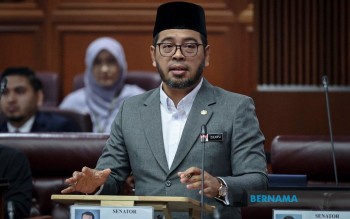
Minister in the Prime Minister's Department (Religious Affairs) Dr Zulkifli Hasan revealed the enforcement challenge during a parliamentary briefing on the Royal Commission of Inquiry findings, emphasizing that TH has exhausted conventional legal remedies against Al-Rawda without adequate results. The minister's disclosures indicate that the company's financial constraints have severely limited recovery prospects through standard enforcement mechanisms, necessitating the appointment of specialized consultants to trace hidden or relocated assets that might satisfy the outstanding obligation.
The relationship between TH and Al-Rawda deteriorated dramatically following what Dr Zulkifli characterized as extraordinarily unfavorable lease arrangements initiated in 2015, 2016, and 2017. The pilgrim fund agreed to lease four premium hotels located in Makkah and Madinah, committing approximately RM1.55 billion in upfront payments to secure operating rights spanning ten to eighteen years. These transactions diverged sharply from standard commercial practice, exposing TH to significant counterparty risk concentrated in a single operator and jurisdiction.
The contractual structure compounded TH's vulnerability through a parallel Management and Operation Agreement that entitled the fund to rental income totaling 2.49 billion Saudi riyal. However, Al-Rawda secured this arrangement through a personal promissory note guarantee from company owner Dr Mashhoor Ali Omar Almadoodi rather than conventional corporate security. This reliance on personal guarantees proved catastrophic when the operator ceased rental payments from March 2019 onwards, effectively cutting off the promised income stream while TH retained lease obligations.
TH initiated enforcement proceedings in Saudi Arabia following the payment default, ultimately securing an arbitration victory on April 16, 2023. The Final Award mandated that Al-Rawda discharge the full 899 million Saudi riyal obligation, representing formal international legal recognition of TH's claims. Nevertheless, the company's apparent inability or unwillingness to honor this judgment has left TH pursuing collection across borders using increasingly sophisticated recovery techniques.
A settlement agreement reached in November 2024 briefly suggested potential resolution, with negotiations appearing to offer some prospect of gradual repayment. Al-Rawda remitted the 14.9 million Saudi riyal partial payment, seemingly indicating willingness to engage constructively. However, the company subsequently abandoned compliance with the agreed payment schedule, prompting TH to terminate the settlement framework and resume adversarial collection efforts. This breakdown indicates either genuine financial incapacity or deliberate avoidance, both of which complicate recovery prospects substantially.
The Al-Rawda investment catastrophe represents one dimension of a broader institutional governance crisis at Tabung Haji. The Royal Commission of Inquiry identified the Saudi developer among 14 troubled investment vehicles generating cumulative losses running into billions of ringgit across the 2014-2020 period. The RCI's 211-page report, released publicly on July 29, documented systematic weaknesses in investment screening, due diligence, counterparty assessment, and financial monitoring that enabled exposure to such high-risk concentrated positions.
The Makkah and Madinah hotel arrangement exemplifies deficiencies in TH's governance infrastructure during the examined period. Conventional investment risk management would have flagged multiple warning signals: the extraordinary upfront capital commitment exceeding standard market rates, concentration of operating control with a single entity, reliance on personal rather than corporate guarantees, and exposure to currency fluctuation across a decade-plus holding period. The pilgrim fund's failure to implement adequate safeguards reflected organizational shortcomings that extended across numerous investment decisions.
Respecting the RCI's conclusions, the government commissioned the inquiry in 2021, formally appointing investigation members on January 20, 2022, with the completed report presented to the King on August 30, 2022. The subsequent public release established an official record of institutional failures and recommended remedial actions. As of July 30, TH has implemented approximately 75 percent of the 25 recommendations outlined, indicating substantial governance reconstruction efforts underway to prevent recurrence of similar vulnerabilities.
The Al-Rawda debt recovery challenge illustrates broader complexities confronting Malaysian institutional investors in Gulf markets. The fund's experience demonstrates that even internationally recognized arbitration awards provide limited practical enforcement mechanisms when counterparties lack transparent financial structures or assets situated in jurisdictions with weaker creditor protections. Malaysian investors operating in Saudi Arabia must navigate not only commercial risks but also legal system limitations that may frustrate collection efforts despite winning formal judgments.
TH's engagement of asset-tracing specialists represents a pragmatic acknowledgment that conventional enforcement has reached its limits. Such firms typically investigate corporate ownership structures, beneficial interest holders, and asset locations through document analysis, regulatory filings, and cross-border intelligence networks. Success requires identifying transferable assets—real estate, equipment, financial instruments—that courts can attach or that settlement negotiations can leverage. The firm's appointment suggests TH expects to uncover concealed or relocated resources that Al-Rawda has insulated from immediate creditor claims.
The Al-Rawda situation carries implications for other Malaysian institutional investors and pension funds operating internationally. The case demonstrates that even substantial financial commitments secured through seemingly protective contractual arrangements remain vulnerable to operator default, particularly when operating in markets with limited asset transparency. Future institutional investment strategies in the Gulf region may need to incorporate enhanced due diligence on counterparties, diversified operator arrangements, and escrow or trust arrangements that insulate TH from direct operator default exposure.
For Tabung Haji, recovering meaningful portions of the outstanding arbitration award would provide financial relief supporting the institution's restoration program following the RCI-documented crisis. While complete recovery appears unlikely given Al-Rawda's apparent financial constraints, even partial asset recovery through specialized tracing efforts would demonstrate progress in addressing losses from the troubled investment era and validating the operational reforms now underway.

