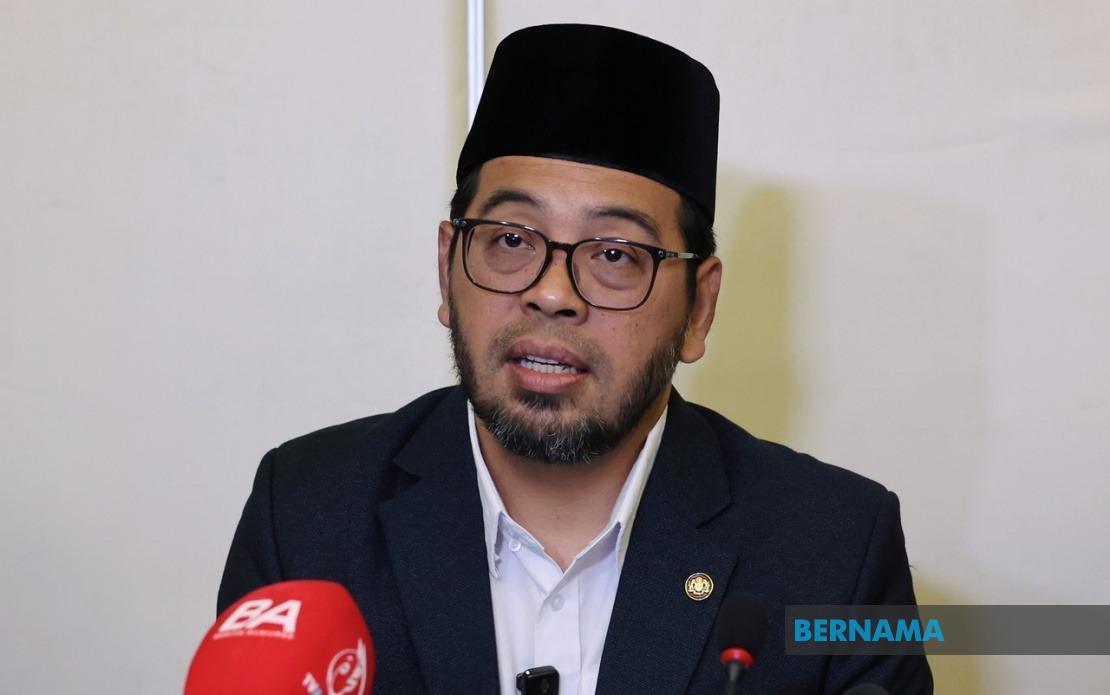
Tabung Haji has moved into a considerably stronger operational and financial position following the government's strategic restoration programme, according to Minister in the Prime Minister's Department (Religious Affairs) Dr Zulkifli Hasan. Speaking during a special Parliament sitting focused on the Royal Commission of Inquiry report into the institution, Dr Zulkifli emphasized that the pilgrimage fund has successfully addressed systemic weaknesses and legacy challenges that had accumulated over several years prior to the current administration's assumption of office.
When the MADANI Government commenced its tenure in late 2022, Tabung Haji faced considerable obstacles stemming from institutional mismanagement. The organization held numerous problematic assets and investments that lacked competitiveness and generated significant losses, inherited issues that had persisted since 2018 under previous leadership. Rather than implementing immediate structural changes, the government granted Tabung Haji the necessary operational autonomy and financial flexibility to undertake a thorough institutional overhaul. This measured approach prioritized rehabilitation of the institution's core functions and stakeholder confidence before proceeding with broader transparency measures and public accountability initiatives.
The restoration efforts have yielded measurable recognition in the international arena. Tabung Haji secured five World's Best Haj Management Awards across four consecutive years, a distinction that underscores the competence and integrity of the current leadership team guiding the organization. These accolades provide external validation that professional management, combined with principled governance structures, can effectively rehabilitate a troubled institution and restore its reputation among pilgrims and the broader Muslim community across Malaysia and the region.
The government's decision to release the 211-page Royal Commission report represents a watershed moment in institutional accountability. The Cabinet unanimously approved public disclosure of the RCI findings on July 29, alongside a commitment to debate the report during a special parliamentary sitting. This report, compiled by a panel led by former Chief Justice Tun Mohamed Raus Sharif and including five experts in public administration, banking, finance, syariah law, and accounting, examines governance failures and operational weaknesses spanning the 2014 to 2020 period. The document contains 25 specific recommendations for institutional improvement, with three-quarters already implemented or underway as of late July.
The government has coupled transparency with decisive enforcement action. Following the RCI report's release, both the Malaysian Anti-Corruption Commission and the Royal Malaysia Police commenced comprehensive investigations into the misappropriation and breaches of trust detailed in the inquiry. Several individuals connected to the fund's mismanagement have been detained, signalling government determination to pursue accountability without political consideration. Dr Zulkifli stressed that this enforcement response reflects an unwavering commitment to ensure that no party involved in abuse of power or criminal breach of trust will escape appropriate investigation and potential prosecution.
These investigative efforts align with explicit royal direction. His Majesty Sultan Ibrahim, King of Malaysia, has decreed that investigations into RCI findings must proceed comprehensively, transparently, and without compromise, ensuring thorough examination of every allegation. This royal guidance provides both political cover and institutional legitimacy for enforcement agencies to pursue complex cases without external pressure or political interference that might have characterized previous investigations into public-sector mismanagement.
The human dimension of Tabung Haji's mission underscores the gravity of the fund's crisis and recovery. Deposits held within the institution represent far more than financial investments for the millions of Malaysians who maintain accounts. Teachers, small-business proprietors, retirees, farmers, fishermen, rubber tappers, and taxi drivers have contributed modest sums over extended periods, often with a singular aspiration: completing the hajj pilgrimage to Mecca. Parents similarly save gradually through Tabung Haji accounts, designating funds for children's future religious obligations. These deposits embody sacred intent and spiritual commitment, making misappropriation not merely a financial betrayal but a violation of trust fundamental to Malaysian society.
Dr Zulkifli articulated the ethical imperative guiding the government's response. When an institution entrusted with such spiritually and emotionally significant savings experiences governance failure, concealment or minimization becomes morally indefensible. The government cannot simply present statistics suggesting recovery without addressing underlying causes of mismanagement, nor can it permit politically motivated narratives to overshadow the legitimate interests of depositors and the broader Muslim community. This ethical stance—prioritizing depositor welfare over institutional self-protection—differentiates the current approach from previous responses to corporate governance crises in Malaysian public institutions.
Implementation of the RCI recommendations demonstrates concrete progress in institutional reform. Of the 25 proposals advanced by the inquiry panel, approximately 75 percent have achieved completion or integration into operational procedures. The remaining recommendations are receiving active implementation, with timeline-driven accountability measures in place. These reforms encompass enhanced financial controls, improved governance structures, clearer decision-making hierarchies, and strengthened oversight mechanisms designed to prevent recurrence of the vulnerabilities that enabled previous mismanagement and asset deterioration.
The recovery narrative carries implications extending beyond Tabung Haji itself. For Malaysian Muslims planning pilgrimage, the institution's rehabilitation provides necessary reassurance that their sacred savings remain secure and professionally managed. For regional observers, the case demonstrates whether Malaysia's governance institutions can meaningfully address institutional corruption when political will aligns with enforcement capacity. The transparency surrounding the RCI report and the decisive investigative response contrast markedly with opacity that characterized previous inquiries into corporate governance failures, potentially establishing precedent for future institutional accountability efforts.
The government's management of this crisis reflects broader MADANI administration priorities emphasizing institutional integrity and public trust restoration. By allowing initial recovery time before transparency measures and enforcement actions, the government avoided destabilizing Tabung Haji through premature public disclosure while systemic weaknesses remained severe. Conversely, the eventual decision to publicize the RCI report comprehensively and pursue enforcement investigations demonstrates that operational recovery must ultimately culminate in accountability and governance reform. This sequenced approach—recovery, then transparency and enforcement—may offer instructive lessons for managing other troubled public institutions across Southeast Asia facing similar governance challenges and the need to restore stakeholder confidence.

