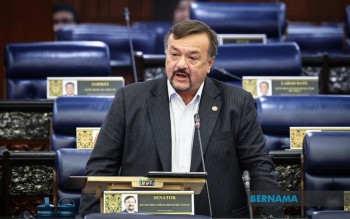
Malaysia's pilgrimage fund Tabung Haji faces a sobering financial reckoning, having absorbed nearly RM13 billion in losses stemming from 14 problematic investments, according to Finance Minister II Datuk Seri Amir Hamzah Azizan. The disclosure came during parliamentary debate on the Royal Commission of Inquiry report into TH's financial mismanagement, painting a bleak picture of institutional governance failures that have directly harmed millions of Muslim Malaysians who depend on the fund for performing the hajj pilgrimage.
The scale of destruction across TH's investment portfolio is remarkable in its uniformity of failure. Seven of the fourteen investments suffered complete erasure, meaning investors received absolutely nothing in return on their capital. This is not a situation of modest underperformance or temporary setbacks that might be recovered through restructuring. Rather, it reflects a fundamental breakdown in investment oversight and due diligence that allowed capital to flow into ventures with negligible safeguards or realistic exit strategies.
The financial burden has been distributed between direct taxpayers and the fund itself. The government bore RM10.2 billion of the losses through a rescue operation executed via Urusharta Jamaah Sdn Bhd in 2018, effectively asking Malaysian taxpayers to underwrite failures in corporate governance. Meanwhile, TH itself absorbed RM2.6 billion in impairment losses between 2018 and 2025 on investments that remain under its management, representing a continuing drag on the fund's asset base and investment capacity for current and future pilgrims.
The crown jewel of this disaster is the Al-Rawda Real Estates Development & Project Management Company investment, a Saudi Arabia-registered entity that has emerged as the largest single loss generator for TH. The investment structure reveals troubling lapses in fiduciary responsibility. Between 2015 and 2017, TH committed 1.4 billion Saudi riyals—approximately RM1.5 billion—to pay an intermediary for lease rights to four hotels across Makkah and Madinah. These properties were ostensibly intended to house Malaysian pilgrims, tapping into the lucrative and strategically important hajj accommodation market.
Under the contractual arrangement, Al-Rawda was supposed to operate these four hotels and remit rental payments of 2.49 billion Saudi riyals back to TH. However, the company never fulfilled this obligation. More alarmingly, TH's claimed interest in these properties rested primarily on personal promissory notes rather than secured title or enforceable legal mechanisms. This arrangement suggests either remarkable naïveté in contract negotiation or a departure from prudent investment practices that any institutional investor should follow when committing substantial capital abroad.
The al-Rawda debacle crystallizes how TH's troubles extend beyond mere investment selection errors into the realm of structural vulnerability. When the company began defaulting on rental payments in the first quarter of 2019, TH discovered it had limited recourse. The absence of formal security against the properties meant the fund could not seize assets or enforce claims through Saudi courts with confidence. By 2024, TH was forced to write off the entire position as completely impaired, recognizing a full RM1 billion loss that had effectively been unrecoverable for several years prior.
The implications for Malaysian pilgrims are direct and consequential. TH manages funds belonging to millions of Malaysian Muslims setting aside money specifically for the sacred obligation of hajj. Every ringgit lost to failed investments represents reduced capital available for fund operations, potentially affecting the returns distributed to contributors or the subsidy structures that make hajj affordable for lower-income devotees. The fund's fundamental mission—facilitating access to religious duty for ordinary Malaysians—has been compromised by investment decisions made in corporate boardrooms far removed from pilgrimage considerations.
The parliamentary disclosure also highlights broader governance questions affecting Malaysia's investment institutions. How do major fund managers, particularly those handling religious endowments with millions of stakeholders, end up committing billions to overseas ventures with inadequate security mechanisms? The answers likely implicate layers of negligence: insufficient internal controls, inadequate board oversight, questionable intermediary arrangements, and possible conflicts of interest that went unchecked. The RCI report, now under parliamentary review, will presumably address these systemic failures.
For Malaysian investors and savers more broadly, the TH saga serves as a cautionary tale about concentration risk and the dangers of pursuing aggressive return strategies without corresponding risk management. The fund's losses occurred during a period when global property markets offered varied opportunities, yet TH's portfolio apparently featured outsized exposure to specific jurisdictions and asset classes. The collapse of just one counterparty—Al-Rawda—and seven others suggests that TH may have lacked diversification discipline or independent vetting of major investments.
The government's RM10.2 billion bailout through UJSB in 2018 represented a policy choice to prevent deeper damage to the fund and maintain public confidence in the pilgrimage system. However, this public rescue also means that Malaysian taxpayers across all income levels and faiths have effectively subsidized these failed ventures. The opportunity cost of this RM10.2 billion extends far beyond TH itself, affecting resources available for other government priorities including healthcare, education, and infrastructure.
Looking forward, the parliamentary proceedings on the RCI report may illuminate whether criminal responsibility or civil liability attaches to individuals who made these investment decisions. The scale of losses—approaching RM13 billion—suggests that remedial measures beyond technical governance improvements may be warranted. The Royal Commission's findings will likely recommend structural reforms to TH's investment governance, enhanced board expertise, stronger external audit protocols, and clearer separation between religious fund management and speculative capital deployment.
The near-RM13 billion loss across 14 investments, with seven complete wipeouts, represents not merely a financial setback but a breach of trust with millions of Malaysians whose religious obligations and aspirations have been compromised by institutional failure. As parliamentary debate unfolds, expectations will focus on whether the findings translate into meaningful accountability and structural change that restores confidence in Malaysia's pilgrimage fund.

