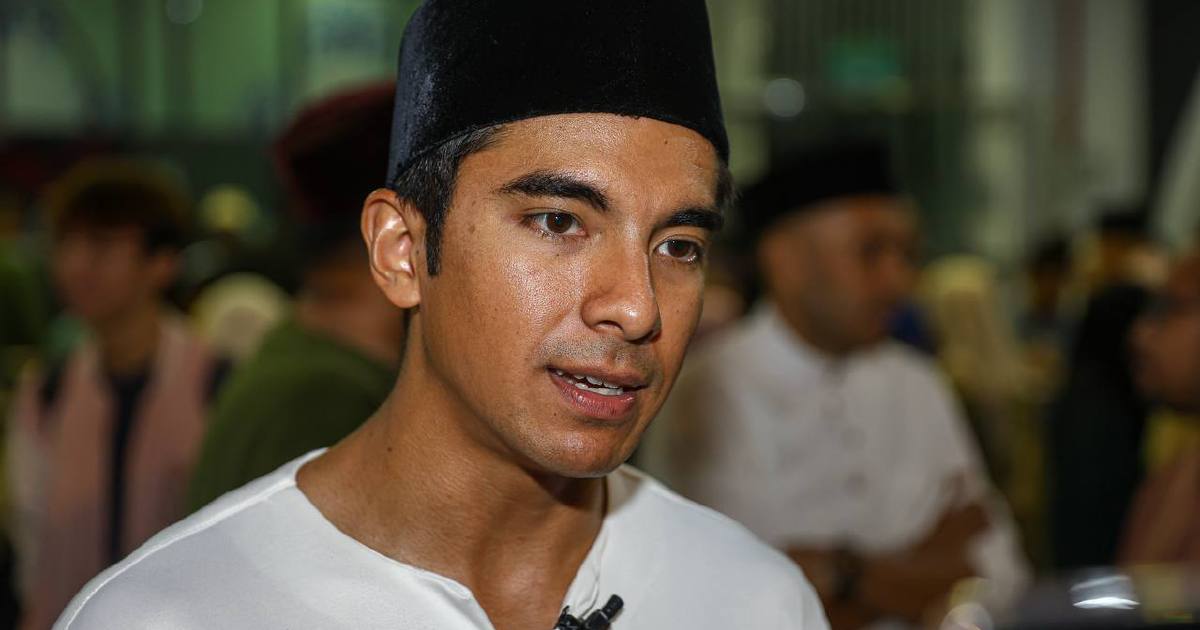
Syed Saddiq Syed Abdul Halim, the polarising former youth and sports minister, finds himself in legal limbo as Malaysia's apex court prepares to deliver a judgment that could fundamentally reshape his political trajectory. The Federal Court ruling, expected imminently, will determine whether the young politician can continue his parliamentary and political activities or face continued restrictions on his eligibility. In public statements, Syed Saddiq has adopted a philosophical stance, framing the approaching decision as beyond his immediate control and placing his trust in divine will.
The former Muar Member of Parliament has been navigating a complex legal landscape following his earlier conviction on charges related to party financing irregularities. His case has become emblematic of the intersection between party management, financial governance, and the judicial system's role in regulating political conduct in Malaysia. The conviction and subsequent appeal have drawn considerable attention from political observers, civil society organisations, and international bodies monitoring judicial independence and democratic standards in Southeast Asia.
Syed Saddiq's political prominence emerged during his tenure as youth and sports minister, a portfolio he held in the Pakatan Harapan government following the 2018 general election. His relatively young age and tech-savvy approach to governance distinguished him within Malaysia's traditionally hierarchical political establishment. However, his political career has been marked by considerable controversy, including party-switching and allegations of financial mismanagement that ultimately led to legal proceedings against him.
The circumstances leading to his conviction stemmed from investigations into how funds were channelled within his political party, matters that touched upon broader concerns about transparency and accountability in Malaysian political financing. These issues remain contentious across the political spectrum, with various parties facing scrutiny from anti-corruption agencies and judicial bodies. The case has implications beyond Syed Saddiq himself, potentially influencing how courts handle similar matters involving political party administration and fundraising practices.
His legal defence team has presented arguments before the Federal Court challenging aspects of the lower court's findings and seeking to overturn or significantly modify the original conviction. The appeals process has afforded multiple opportunities for detailed examination of evidence, legal principles, and the interpretation of statutes governing political party operations and financial disclosures. The Federal Court's decision will likely establish important precedents for how Malaysian jurisprudence handles comparable cases in the future.
For Malaysian readers and the broader regional political community, this case represents a critical moment in understanding how judicial systems manage conflicts between political ambition and legal accountability. The ruling will signal whether courts maintain consistent standards in applying election and party financing laws across the political spectrum, or whether perceptions of selective enforcement persist. Such perceptions can affect public confidence in both the judiciary and democratic institutions more broadly.
Syed Saddiq's public positioning as accepting the court's forthcoming decision with equanimity contrasts sharply with the high stakes involved. A ruling in his favour could rehabilitate his political reputation and clear pathways for his return to active parliamentary politics. Conversely, an unfavourable judgment would likely necessitate his continued withdrawal from elected office and could create lasting impacts on his political viability and party affiliations. The uncertainty surrounding the outcome has kept political observers and analysts actively speculating about potential scenarios and their downstream consequences.
The timing of this Federal Court decision carries weight within Malaysia's broader political context. The nation continues to grapple with questions about democratic governance, institutional independence, and the rule of law following years of political turbulence and institutional challenges. How the judiciary handles high-profile cases involving political figures remains closely watched as an indicator of whether legal systems operate impartially or succumb to political pressures and factional interests.
Within the specific context of Malaysian youth politics, Syed Saddiq's case has become instructive for younger politicians navigating ambition, ethics, and legal compliance. His experience serves as cautionary tale about the vulnerabilities facing rising political talents who may not sufficiently attend to organisational governance and regulatory requirements. For opposition parties and those outside the traditional establishment, the case also exemplifies broader concerns about how legal mechanisms can either facilitate or obstruct political participation.
As the Federal Court prepares to announce its judgment, Syed Saddiq's studied calm and invocation of divine providence may reflect genuine spiritual conviction or strategic political positioning—perhaps both. His fate, as he characterises it, now rests entirely with the judiciary. The decision, whenever it arrives, will provide clarity not only for Syed Saddiq personally but also for the broader Malaysian political and legal landscape, offering guidance on how courts balance political participation rights with accountability obligations.

