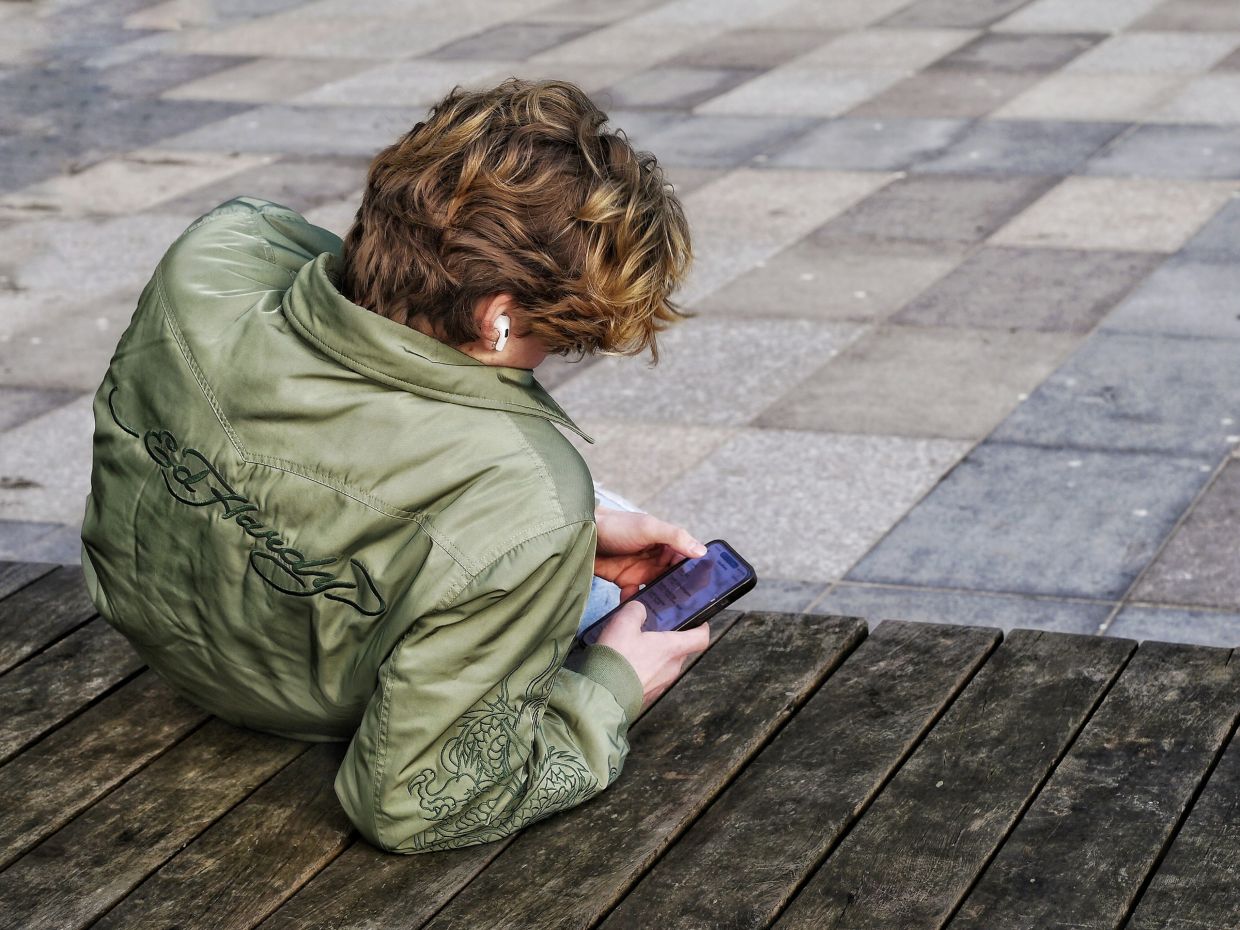
The British government's strategy to curb nighttime social media use among adolescents faces an early credibility crisis, with fresh polling data suggesting the initiative will struggle to achieve its stated objective of protecting young people from online harms. The curfew proposal, introduced in July under Prime Minister Keir Starmer's administration, would operate as an optional safeguard on accounts belonging to 16 and 17 year-olds, automatically blocking access to platforms such as TikTok, Instagram, YouTube, Snapchat and Facebook during hours between midnight and 6:00 am. However, a survey commissioned by the Online Responsibility Network and conducted by research consultancy Censuswide found that 85% of respondents aged 16 to 18 would immediately deactivate this protection, fundamentally undermining the scheme before it has even been rolled out.
The research reveals the mathematical dimensions of the problem facing policymakers attempting to regulate adolescent digital behaviour. Amongst the 1,000 teenagers interviewed, nearly half cited the need to maintain contact with friends and family as their primary reason for disabling the curfew, whilst another 37% stated they would switch off the restriction to continue consuming online video content during late-night hours. Beyond these immediate justifications, the underlying data paints a picture of normalised late-night digital engagement amongst British youth. More than 18% of surveyed teenagers admitted to consuming social media content until 1:00 am or later on school nights, whilst virtually no respondents—just 2%—claimed to abstain entirely from scrolling or watching short-form videos during weekday evenings.
The voluntary nature of the curfew represents a fundamental design flaw, according to digital regulation experts who have examined the proposal. Leanne Proctor, regulatory lead at the Online Responsibility Network, cautioned that such an opt-in mechanism is "unlikely to be enough on its own to prevent online harms." This assessment reflects broader international scepticism about whether default settings can effectively reshape entrenched patterns of behaviour, particularly amongst digitally native populations who have grown accustomed to on-demand access to content and social connectivity. The findings suggest that without a mandatory enforcement mechanism—rather than a feature teenagers can casually disable—the curfew represents little more than symbolic policymaking.
The British government's approach sits alongside a broader social media regulation agenda that commenced in June with an announcement to ban social media use entirely for all children under 16 years old. This more sweeping prohibition would cover the major platforms relied upon by adolescents for social interaction, entertainment and creative expression. The curfew was positioned as a complementary measure addressing the subset of older teenagers not covered by the total ban, attempting to manage the window when young people's circadian rhythms and homework commitments most require protection from distraction. Together, these proposals represent one of the world's most ambitious attempts to regulate adolescent social media consumption through legislative means.
Yet the British initiative looks less impressive when contextualised against international precedent. Australia, which introduced a categorical ban on social media access for under-16s in December of last year, has become the reference point for governments contemplating similar restrictions. The Australian model, however, notably excludes 16 and 17 year-olds from its mandatory requirements, allowing these older teenagers to maintain accounts subject only to standard age verification processes. Early assessments of Australia's ban have produced mixed outcomes, with observers divided on whether the legislation has meaningfully reduced screen time or simply driven young people toward less monitored digital spaces. These ambiguous results should give British officials pause about assuming that regulatory solutions, however well-intentioned, will automatically translate into improved outcomes for adolescent wellbeing.
Education Minister Bridget Phillipson has signalled a degree of flexibility regarding the curfew's implementation, suggesting to broadcasters that the voluntary aspect could be reconsidered if uptake proves inadequate. Her comments imply that the government retains the option to transition from a default opt-out system to a mandatory requirement, though such a shift would represent a substantial policy reversal and would likely trigger considerable political debate around parental rights, state intervention in family life, and the enforceability of digital restrictions. The minister's hedging language reflects awareness that the current proposal faces real implementation challenges, yet the government appears reluctant to commit to mandatory enforcement at this stage.
For Malaysian policymakers observing these developments, the British experience offers instructive lessons about the limitations of technological solutions to social governance challenges. The curfew proposal assumes that simple interface design changes can overcome the psychological pull of social media engagement, an assumption increasingly questioned by digital health researchers. In regional contexts where youth digital adoption rates frequently exceed those in Western markets, and where parental oversight of children's online activity varies significantly, the gap between regulatory intent and actual teenage behaviour may prove even wider than in Britain. The survey data suggests that adolescents possess sufficient technical sophistication to navigate around such restrictions, and that social connectivity imperatives override formal guidelines in their decision-making calculus.
The British government now faces a genuine policy dilemma. Maintaining the voluntary opt-out structure appears destined to render the curfew largely ineffective, based on current survey evidence. Transitioning to mandatory enforcement would require legislation more substantial than the default-setting approach currently contemplated, and would generate opposition from civil liberties advocates, technology companies, and those who argue that parental responsibility rather than state intervention should govern household screen time. Meanwhile, doing nothing in response to disappointing take-up rates would constitute a tacit admission that the initiative has failed before implementation, politically untenable for a government that positioned the measure as crucial protection for vulnerable young people.
The fundamental challenge transcends the technical implementation of the curfew itself. Social media platforms have evolved specifically to capture and sustain adolescent attention, employing psychological insights and algorithmic sophistication that vastly exceed the capabilities of a simple time-based access restriction. Against this formidable challenge, a feature that teenagers can disable with a single click represents a particularly weak regulatory instrument. The survey results underscore that British adolescents understand the value of continuous access and have already developed clear preferences about when and how they wish to engage with digital platforms, preferences unlikely to be altered by default settings they view as paternalistic interference.
As the British government moves forward with implementing its social media regulations, the curfew's probable ineffectiveness should not overshadow the broader legislative push to restrict under-16 access entirely. The categorical ban, whilst facing its own implementation challenges, at least operates on a logic aligned with adolescent development research and attempts to prevent early habituation to platform dependency. The curfew, by contrast, occupies an uncomfortable middle ground between prohibition and permission, likely to satisfy neither child protection advocates demanding firm action nor teenagers seeking unrestricted digital autonomy. The polling data released this week provides policymakers with an uncomfortable mirror, reflecting the gap between regulatory aspiration and the messy reality of adolescent agency in an increasingly digitised world.

