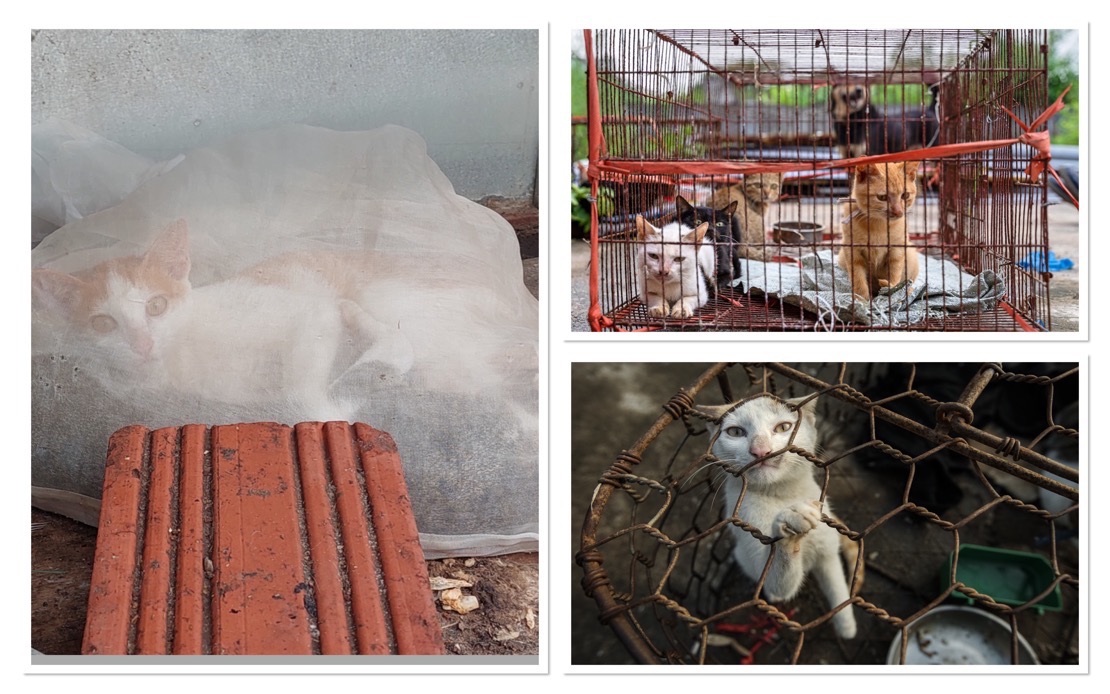
The brutal underground trade in cat meat continues to flourish across parts of Indochina, particularly Vietnam, driven by deeply entrenched superstitions linking feline consumption to prosperity, good health, and reversal of misfortune. According to FOUR PAWS, a global animal welfare organisation, approximately one million cats are slaughtered each year in Vietnam alone, with additional killings occurring in remote areas of Cambodia and Laos, where the animals are targeted primarily for their purported medicinal properties. The persistence of this trade persists despite decades of concerted awareness campaigns by governments and international advocacy groups attempting to eradicate the practice from the region.
Those engaged in the trade justify their activities through cultural narratives rather than dietary necessity, as cat meat represents a traditional rather than staple food source. Jon Rosen Bennett, who directs dog and cat welfare initiatives at FOUR PAWS, explains that consumption patterns reflect deeply embedded traditions and superstitious beliefs rather than practical nutritional needs. In Vietnamese culture specifically, consuming cat meat during particular phases of the lunar calendar is believed to attract good fortune or neutralise periods of bad luck. Beyond luck-based motivations, some consumers subscribe to beliefs that consuming feline flesh offers therapeutic or health-enhancing properties, creating persistent demand despite the absence of scientific justification.
Cats are procured through theft from residential areas and streets before being trafficked across provincial boundaries and transported to slaughterhouses. The scale of this criminal activity became evident in Ho Chi Minh City last week when local law enforcement exposed a trafficking gang responsible for systematic cat theft and illegal sales. Police rescued approximately 500 cats during the operation and detained nine gang members suspected of orchestrating cat theft and distribution networks over the preceding three years. The incident illustrates how organised criminal structures have developed to supply this illicit market, transforming street-level pet theft into a coordinated commercial enterprise.
Market investigations conducted by FOUR PAWS in 2020 revealed the economic structure underlying this trade. Live cats commanded prices ranging from US$6 to US$8 per kilogramme, while processed cat meat sold for approximately US$10 to US$12 per kilogramme. Notably, black cats attracted premium pricing due to widespread beliefs attributing special luck-bringing or medicinal potency to dark-coloured felines. This price stratification demonstrates how superstitious beliefs directly translate into economic incentives, with traders capitalising on cultural narratives to maximise profits from specific animal varieties.
Despite the scale of the trade, Vietnam lacks comprehensive national legislation explicitly prohibiting the slaughter, sale, or consumption of cat meat. This legal vacuum permits traders to operate with limited regulatory constraints, though they remain technically vulnerable to prosecution under broader animal cruelty statutes. The absence of categorical bans contrasts sharply with public sentiment. According to FOUR PAWS data, approximately 90 per cent of Vietnamese respondents express willingness to support legislation banning the dog and cat meat trade. Additionally, more than 90 per cent of survey participants reject the characterisation of cat consumption as integral to Vietnamese cultural identity, suggesting that practitioners constitute a marginal minority operating against dominant public values.
The humanitarian dimensions of this trade extend beyond individual animal suffering to encompass significant public health consequences. The unregulated cross-border movement of live animals poses serious epidemiological risks, particularly regarding transmission of rabies and other zoonotic diseases capable of jumping species boundaries. The informal slaughter and processing conditions eliminate sanitary oversight, creating pathways for pathogenic spread. When cats are transported across provincial and international borders without documentation or veterinary inspection, disease surveillance systems cannot track potential outbreaks, leaving populations vulnerable to disease introduction through inadequately monitored animal movements.
Cambodia represents another focal point for these concerns, prompting international intervention. In early June, FOUR PAWS initiated a digital reporting platform designed to mobilise public participation in documenting and reporting instances of the dog and cat meat trade. This technological approach to enforcement addresses the limitations of traditional government-led monitoring by enabling community members to contribute information about trafficking networks and slaughter operations. The platform represents a recognition that grassroots involvement may prove essential for disrupting informal markets that operate deliberately outside institutional view.
While cats constitute the primary focus of this investigation, the broader pattern of animal trafficking extends to canines throughout the Indochina region. Animal welfare organisations estimate that more than 10 million dogs are slaughtered for consumption annually across Southeast Asia, reflecting comparable superstitious motivations and cultural traditions. However, public opposition to dog meat consumption demonstrates measurable momentum, with sentiment shifting against the trade across much of the region. Dogs occupy culturally distinctive positions in many Southeast Asian societies where pet ownership has become increasingly common among urban populations, generating stronger emotional and ethical objections to consumption practices than historical traditions alone might explain.
The persistence of these trades despite public opposition and international activism reflects the entrenched nature of cultural beliefs and the economic interests benefiting from informal market operations. Breaking these patterns requires multifaceted intervention combining legislative action, enforcement mechanisms, consumer education, and cultural engagement strategies that validate alternative identity expressions rather than attempting to eliminate traditions through prohibition alone. The overwhelming public support documented by FOUR PAWS suggests that regulatory frameworks prohibiting trade in cat and dog meat would align with rather than contradict prevailing community values, potentially facilitating enforcement through enhanced community cooperation.
For Malaysia and other Southeast Asian nations, these developments carry significance beyond immediate humanitarian concerns. The porous nature of regional borders facilitates cross-border trafficking, meaning that inadequate enforcement in neighbouring jurisdictions creates potential pathways for illicit animals and animal products to reach local markets. Strengthening regional cooperation on animal welfare standards and enforcement mechanisms would address trafficking networks operating across multiple jurisdictions. Additionally, as urbanisation and rising living standards reshape cultural practices throughout Southeast Asia, traditional consumption patterns increasingly compete with contemporary ethical frameworks emphasising animal welfare and public health protection, creating opportunities for policy evolution aligned with emerging social values.

