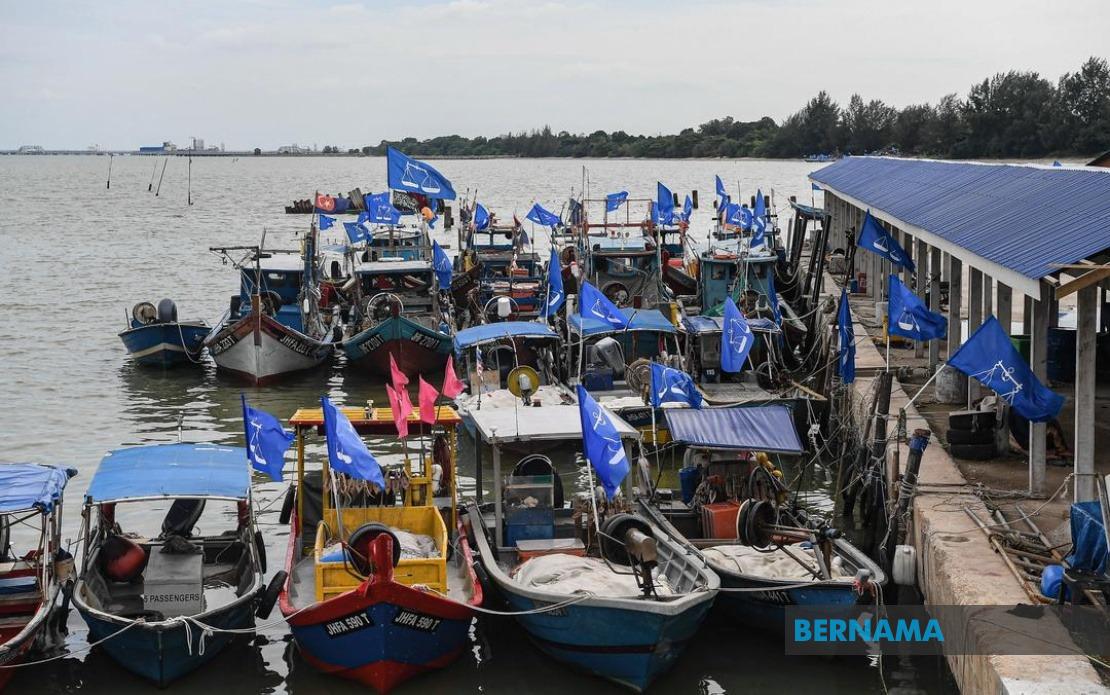
The residents of Sungai Rengit in Kota Tinggi are looking to their elected representative from the 16th Johor state election to finally resolve a mounting infrastructure crisis that has disrupted livelihoods across the community, particularly among traders operating at Medan Selera Sungai Rengit and the local fishing population. After nearly ten years of makeshift operations, the hawker centre traders are still waiting for permanent solutions to their displacement, whilst fishermen are struggling against rising operational costs despite government subsidies. Both groups have made their grievances known ahead of the July 11 state election, hoping the new assemblyman will prove responsive to their needs.
The Sungai Rengit area, situated within the Tanjung Surat state constituency, serves as a vital commercial hub for the surrounding Pengerang Integrated Petroleum Complex, a major industrial centre that attracts steady foot traffic from workers and residents. This strategic location should theoretically benefit local traders and entrepreneurs, yet paradoxically, the very infrastructure constraints plaguing the community have diminished its competitive advantage. The temporary market site, never intended to be permanent, has become symbolic of official neglect and broken promises in the eyes of the business community.
The trajectory of Medan Selera Sungai Rengit encapsulates a common Malaysian planning dilemma: traders were displaced from their original location to accommodate a development project, only to find themselves relocated to a site that has proven inferior in nearly every respect. A permanent alternative venue was eventually identified elsewhere, but its flaws have discouraged traders from moving. Beverage vendor Lai Swee Hong, who has spent three decades in the business, points out that the designated new location suffers from inadequate parking and sits on a one-way road that deters customers and complicates deliveries. These seemingly minor logistical issues translate directly into reduced turnover and diminished economic viability for small traders.
What compounds the frustration is the timeline distortion that has characterised the relocation process. Traders were initially informed they would occupy the temporary site for approximately eighteen months. Over a decade later, they remain there with no clear end date in sight. This prolonged uncertainty makes it impossible for traders to invest in improvements to their stalls or plan for expansion, perpetuating a cycle of deteriorating conditions. The makeshift structures—canopy roofs and plywood walls—offer minimal protection against monsoon rains and extreme heat, whilst the absence of proper doors leaves stock vulnerable to theft.
Security concerns have escalated markedly in recent years, transforming what was already a difficult situation into a genuine safety hazard. Food trader Wini Fasiha Zawawi reports multiple thefts since last year, including the loss of kitchen appliances and other valuable equipment essential to daily operations. Although police reports have been filed and local authorities notified, substantive action has been absent. The irony is stark: whilst police conduct periodic patrols, thefts continue unabated, eroding trader confidence and income. For small-scale operators already operating on thin margins, even modest losses represent significant proportional damage to their earnings.
The fishing community in Sungai Rengit faces an entirely different but equally pressing set of challenges rooted in economics rather than infrastructure. Veteran fisherman Sin Hock Hwee, who has spent fifty years earning his livelihood from the sea, emphasises that fuel subsidies have become essential to keeping fishing operations viable. The rising cost of living and escalating operational expenses—primarily fuel—have created a squeeze that leaves little room for profit. Sin's plea is straightforward: existing subsidies must not only continue but expand to reflect current economic realities. Without this support, many fishermen face the prospect of abandoning their profession, a prospect with profound implications for food security and cultural continuity in the region.
Younger members of the fishing community, such as Hidayat Isa, articulate additional concerns about the future viability of their sector. Beyond immediate economic support, Hidayat stresses the need for infrastructure investment at local jetties and genuine engagement with the voices of younger fishermen who represent the next generation of the industry. His hope that Kampung Sungai Rengit might become an adopted village project for the incoming assemblyman reflects a desire for sustained, structured attention to community development rather than ad-hoc interventions. This suggests a longing for a strategic approach to fishing community welfare that moves beyond subsidies to encompass capacity building and modernisation.
The political stakes in Tanjung Surat have never been higher for the affected communities. The seat is contested between Pakatan Harapan candidate Faizul Abdul Ghani and Aznan Tamin, the incumbent from Barisan Nasional. For traders and fishermen who have endured years of unresolved grievances, the election represents a potential inflection point—an opportunity to place their concerns firmly on the agenda of whoever wins. Early voting occurred on July 7, with polling day set for July 11, as part of a broader 56-seat contest that will determine Johor's state government.
The interconnected challenges facing Sungai Rengit reflect broader patterns of governance and prioritisation that resonate across Malaysia. Temporary solutions frequently harden into permanent features of the landscape, whilst communities dependent on them lack the political leverage to demand change. Similarly, the pressure on traditional livelihoods like fishing—where workers lack strong unions or formal employment protections—often goes unaddressed until crises force intervention. The traders and fishermen of Sungai Rengit represent thousands of Malaysians in similar circumstances, making their appeals not merely local concerns but barometers of how effectively elected representatives serve their constituents. The incoming Tanjung Surat assemblyman will face immediate expectations to demonstrate that campaign promises translate into tangible action.

