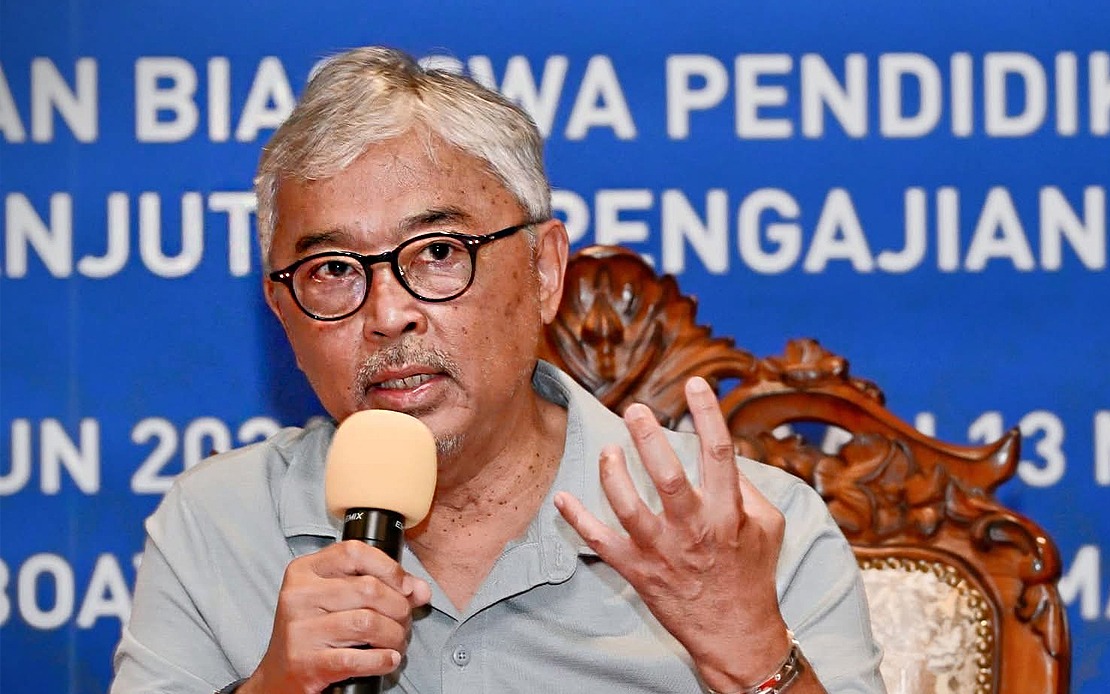
The Sultan of Pahang, Al-Sultan Abdullah Ri'ayatuddin Al-Mustafa Billah Shah, has made a significant appeal to universities throughout Pahang to increase scholarship opportunities specifically targeting students from Tioman Island, emphasizing the need to create educational pathways for young people in remote and island communities. Speaking through an official statement on the Pahang Sultanate's social media channels, His Royal Highness highlighted the geographical and socioeconomic challenges faced by island residents and underscored the responsibility of higher learning institutions to bridge the educational divide between urban and rural populations.
The Sultan's intervention comes following the awarding of scholarships by Institut Jantung Negara University College (IJNUC) to two exceptional students from Tioman Island who will pursue their tertiary education at the institution. Rather than treating this as an isolated act of corporate generosity, the palace framed the initiative as a model that other universities should actively replicate, signalling strong royal patronage for educational equity initiatives. Al-Sultan Abdullah emphasized that despite Tioman's geographical remoteness, its residents deserve equal access to quality higher education opportunities and should not face systemic disadvantages in pursuing academic advancement.
The Sultan's call reflects growing recognition across Southeast Asia of persistent educational disparities between urban centres and rural or island communities. In Malaysia's context, students from remote areas often face compounded obstacles including limited secondary school facilities, reduced access to specialized coaching, financial hardship, and the psychological burden of distance from family support systems. By leveraging the platform of the monarchy to champion institutional scholarship schemes, the Sultan positioned educational equity as a matter of state priority rather than mere philanthropic discretion. This rhetorical shift carries weight in Malaysian governance, where royal patronage historically influences institutional behaviour and resource allocation.
At the presentation ceremony for the two Tioman scholarship recipients, the Sultan articulated expectations that extended beyond mere financial assistance. He impressed upon both students the necessity of treating their opportunity as a foundational moment not only for personal advancement but as a demonstration of potential that could inspire and facilitate future generations from their community. By framing their success as a benchmark for other Tioman youth, Al-Sultan Abdullah created both motivational pressure and a broader social narrative linking individual achievement to community development. His advice regarding discipline, time management, and singular focus on academic goals reflected a traditional emphasis on meritocratic advancement through personal effort.
The Sultan's recognition of Institut Jantung Negara's broader contribution to Pahang society acknowledged the institution's multifaceted engagement beyond medical excellence. His Royal Highness specifically commended IJN's consistent participation in corporate social responsibility programmes benefiting rural communities, including villages such as Kampung Bantal. This acknowledgment served multiple purposes: it publicly rewarded institutional goodwill, established precedent for other universities to engage similarly in community service, and demonstrated the palace's attentiveness to grassroots development initiatives. The emphasis on IJN's willingness to conduct outreach in remote areas suggested that educational and healthcare institutions possess both capacity and responsibility for broader societal contribution.
Institut Jantung Negara holds particular prominence as one of Asia's leading cardiac treatment centres, maintaining international recognition for specialized medical expertise. The Sultan's commendation of IJN's dual excellence—combining world-class medical service with community-focused initiatives—created a model for institutional prestige that extends beyond narrow technical competence. By celebrating IJN's commitment to serving populations regardless of geography or socioeconomic status, the Sultan implied that truly excellent institutions demonstrate their merit through inclusive engagement with society. This framing carries implications for how other universities measure and project their institutional reputation and social contribution.
The broader context of this royal intervention involves Pahang's development priorities and the state's efforts to cultivate human capital from all communities. Tioman Island, while economically dependent largely on maritime activities and increasingly on tourism, has historically experienced educational infrastructure limitations relative to mainland Pahang. The Sultan's explicit appeal to "more universities" suggested awareness that single scholarship initiatives, however meaningful, constitute insufficient response to systemic educational disadvantage. His intervention implicitly critiques the current landscape, suggesting that market forces alone have not generated adequate scholarship provision for remote population groups and that institutional leadership requires deliberate reorientation of resources.
For Malaysian policymakers and educational administrators, the Sultan's statement carries particular resonance given ongoing national conversations about inclusive growth and regional development equity. The call for universities to voluntarily expand scholarship provisions to disadvantaged populations precedes any formal government mandate or regulatory requirement, positioning institutional social responsibility as a moral and patriotic obligation. By connecting scholarship provision to development of quality human capital and national resilience, the Sultan elevated educational access from a charitable concern to a strategic governance matter. This framing potentially influences how universities evaluate investment priorities and how state governments approach educational planning.
The Sultan's personal commitment to attend and conduct the scholarship presentation ceremony represented significant symbolic capital deployed in support of this initiative. Royal participation in such events amplifies their significance, signals institutional approval, and creates public record of royal alignment with particular social values. For the two Tioman students, receipt of scholarships in a ceremony graced by the Sultan transformed the occasion from administrative transaction into recognized public achievement, potentially affecting their psychological confidence and social standing within their community. The ceremony thus functioned simultaneously as acknowledgment of individual merit, institutional commitment demonstration, and royal endorsement of educational opportunity expansion.
Moving forward, the Sultan's appeal creates implicit accountability for Pahang's universities regarding scholarship expansion toward island and remote communities. While His Royal Highness phrased the request as invitation rather than mandate, the weight of royal patronage typically generates responsive action from institutions seeking to maintain palace goodwill and public standing. Universities may interpret the statement as signalling that future royal engagement and state support could correlate with demonstrated commitment to inclusive scholarship provision. Additionally, the appeal may prompt competitive dynamics among institutions seeking to be recognized as similarly committed to community development and educational equity.
The initiative also carries significance for other Malaysian states with island populations or geographically isolated communities experiencing similar educational disadvantages. Penang, Sabah, Sarawak, and other states contain populations facing comparable structural barriers to higher education access. If Pahang's approach generates visible positive outcomes—measured through graduate success, community impact, and institutional recognition—other state leaders and educational administrators may adopt similar models. The Sultan's public advocacy thus potentially catalyzes broader policy shift across Malaysia toward more systematic scholarship provision targeting geographically disadvantaged populations.
For international observers of Malaysian governance, this intervention exemplifies how constitutional monarchies in Southeast Asia leverage royal authority to advance social policy priorities without formal legislative mechanisms. The Sultan's appeal operates through persuasion, social legitimacy, and institutional incentives rather than coercive regulation, reflecting the collaborative governance model characteristic of Malaysian federalism. This approach allows flexibility and institutional autonomy while mobilizing significant normative pressure toward desired outcomes. The success of such royal advocacy depends on institutional receptiveness and alignment of private institutional interests with public social objectives, making it a governance mechanism distinct from statutory regulation.
Ultimately, the Sultan of Pahang's call represents recognition that educational opportunity remains unequally distributed across Malaysia's geography and that remedying such inequality requires deliberate institutional commitment from universities themselves. By positioning scholarship expansion as both moral imperative and institutional excellence marker, Al-Sultan Abdullah created framework through which educational access becomes understood as inherent to institutional quality rather than supplementary generosity. Whether this royal intervention generates sustained expansion of scholarship provision for Tioman Island and other remote communities will depend on universities' response, ongoing royal engagement, and alignment with broader state development priorities.

