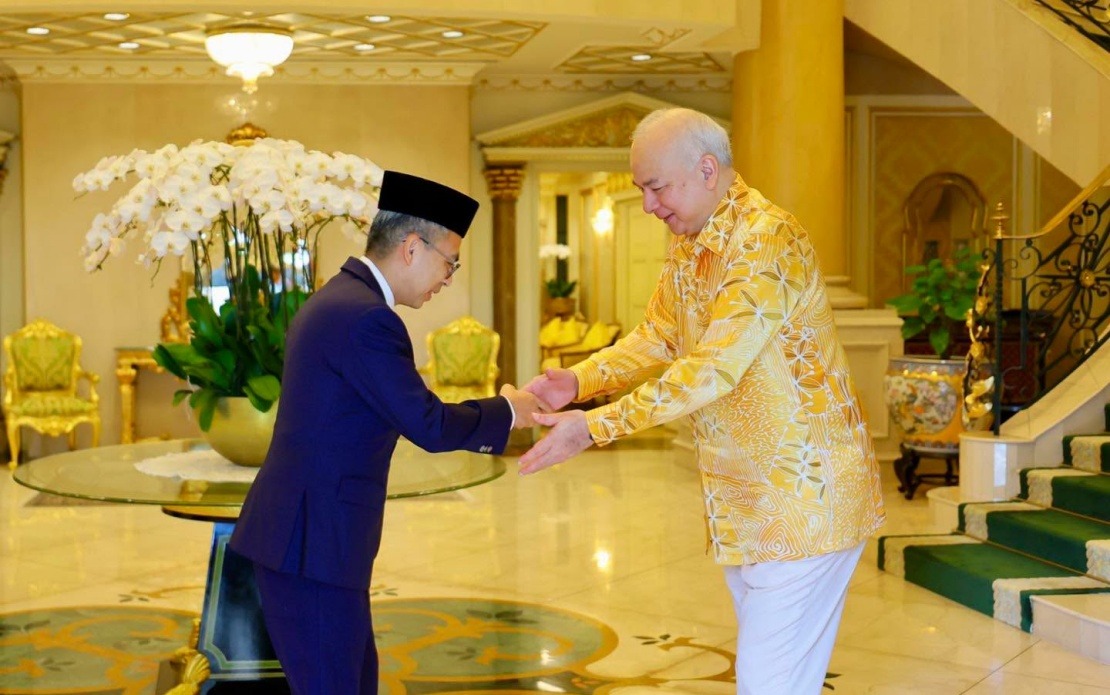
The Sultan of Perak, Sultan Nazrin Shah, has received a comprehensive briefing from the federal government on its strategic initiative to bolster telecommunications infrastructure across the state and extend digital service availability to underserved communities. Communications Minister Datuk Fahmi Fadzil delivered this update during a royal audience, marking an important moment of engagement between the ministry and Perak's leadership on matters of digital development and connectivity.
The briefing encompassed the government's broader infrastructure modernization agenda, which aims to address connectivity gaps that have long hindered economic growth and service delivery in both urban and rural areas of Perak. As Malaysia's third-largest state by population and a significant contributor to the nation's mining and agricultural sectors, Perak's digital transformation carries considerable economic implications for the wider region. Strengthening communication networks in the state directly supports business competitiveness, enables digital commerce, and facilitates access to online services for millions of residents and enterprises.
Minister Fahmi's presentation to Sultan Nazrin highlighted the multi-faceted nature of contemporary infrastructure planning, which extends beyond mere network expansion to encompassing the protection of users in the digital environment. The inclusion of online safety in the audience discussion underscores growing recognition among Malaysian policymakers that infrastructure investment must be accompanied by robust safeguards against cyber threats, misinformation, and harmful digital content. This holistic approach reflects international best practice in telecommunications governance and signals the government's commitment to creating a secure digital ecosystem alongside physical network development.
The dialogue between the ministry and the Perak palace represents the kind of stakeholder engagement essential for successful infrastructure rollout at the state level. Royal support and involvement can facilitate cooperation from local authorities, landowners, and community leaders whose backing is often crucial for implementing large-scale projects. By keeping the ruler informed and engaged, the government strengthens institutional coordination and demonstrates respect for Perak's governance structures while building consensus for infrastructure initiatives.
Peark's particular infrastructure challenges and opportunities make this briefing strategically significant. The state encompasses diverse geographical terrain, from urban centers in Ipoh and Klang Valley suburbs to remote mining areas and agricultural communities. Tailoring communication infrastructure expansion to serve this varied landscape requires careful planning and substantial investment. Earlier initiatives in Perak have sometimes struggled with incomplete coverage or inconsistent service quality, making the minister's emphasis on expansion efforts a response to persistent complaints from residents and businesses about connectivity limitations.
The government's push to strengthen communication infrastructure aligns with broader national digital transformation goals outlined in successive five-year plans and the Malaysia Digital Economy Framework. Perak's development status within this national agenda carries implications not only for the state itself but for the entire northern region's competitiveness in attracting investment and enabling entrepreneurship. Companies increasingly demand reliable high-speed internet access when evaluating potential locations, and infrastructure gaps can disadvantage states competing for manufacturing, technology, and service sector operations.
Online safety considerations that drew Sultan Nazrin's particular attention reflect legitimate concerns about digital vulnerability. Malaysia has experienced growing numbers of cybercrime incidents, online fraud, and data breaches affecting both individuals and businesses. For a state like Perak with significant agricultural and small business operations, online safety directly impacts economic activity and public confidence in digital transactions. The ruler's engagement on this dimension suggests awareness that infrastructure expansion without corresponding security measures and digital literacy initiatives could create new vulnerabilities even as it improves connectivity.
The minister's respectful tone in acknowledging Sultan Nazrin and the Perak Royal Family's continued well-being reflects the protocol and genuine courtesies expected in such engagements. These formal interactions, while sometimes characterized as ceremonial, serve important functions in Malaysian governance by maintaining institutional relationships between federal ministries and state rulers. Regular briefings ensure that royal leadership remains informed about major development initiatives affecting their territories and maintain the collaborative spirit necessary for effective federalism.
Moving forward, this briefing likely signals the beginning of more intensive engagement between the Communications Ministry and Perak authorities on specific infrastructure projects and timelines. State governments typically expect detailed follow-up discussions about funding mechanisms, implementation schedules, and coordination arrangements. The ministry will need to demonstrate concrete progress through network expansion announcements, completion of coverage assessments, and concrete milestones that benefit Perak communities.
The significance of this engagement extends to the broader Malaysian population watching how federal agencies prioritize infrastructure investment across different states. Perak residents will be monitoring whether the briefing translates into tangible improvements in connectivity, reduced service costs, and expanded coverage in underserved areas. Transparency about specific projects, investment amounts, and expected completion dates will be crucial in validating the government's stated commitment to strengthening the state's communication capabilities.

