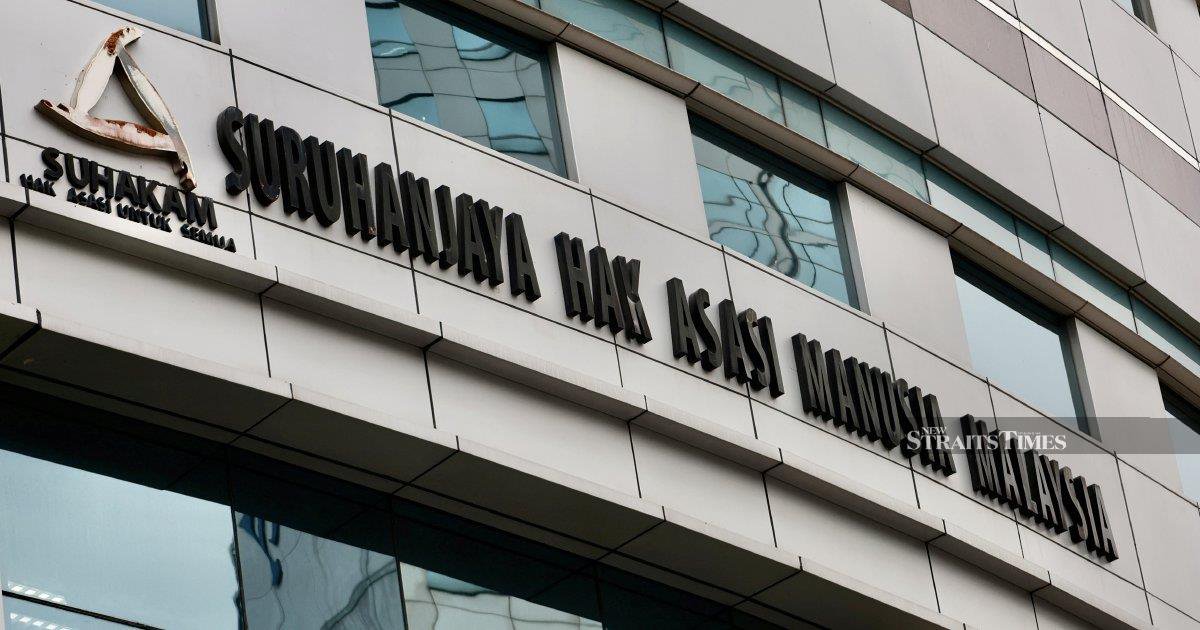
Malaysia's Human Rights Commission, Suhakam, has stepped forward to express its deep concern following the Court of Appeal's ruling to maintain a suspension of the High Court's orders relating to the enforced disappearance of Pastor Raymond Koh, underscoring ongoing tensions between judicial decisions and human rights protections in the country.
The stay order, which prevents the execution of earlier High Court directives, has effectively halted progress in investigating one of Malaysia's most high-profile cases of alleged enforced disappearance. Pastor Koh vanished in February 2017 under circumstances that have remained murky for years, prompting widespread speculation about state involvement and raising international concern about civil liberties in Malaysia. The case has become emblematic of larger questions surrounding the country's commitment to investigating allegations of unlawful detention and the protection of religious minorities.
Suhakam's intervention highlights the widening gap between judicial proceedings and the nation's stated human rights commitments. The commission, as Malaysia's formal human rights institution, occupies a unique position tasked with monitoring governmental compliance with international human rights standards and domestic constitutional protections. Its public expression of alarm signals that the legal establishment's actions are moving in a direction contrary to established principles of accountability and justice that the commission is mandated to uphold.
The stay order itself raises critical questions about judicial priorities and the mechanisms available to aggrieved parties seeking answers about disappearances. When courts suspend orders from higher tribunals, they create a legal vacuum that can indefinitely postpone investigations. For the Koh family and civil society organisations that have followed this case closely, each extended delay represents another chapter in a frustrating journey where justice remains perpetually out of reach. The suspension effectively shields potential respondents from having to comply with investigative orders, a situation that critics argue undermines the rule of law.
International observers and human rights organisations have maintained that the Pastor Koh case is crucial to Malaysia's international reputation regarding human rights standards. Enforced disappearances remain among the most serious allegations a state can face, typically associated with authoritarian regimes that operate outside legal frameworks. Malaysia, which positions itself as a relatively stable democracy in Southeast Asia, faces reputational consequences when such cases remain unresolved and investigation attempts are suspended by the judiciary.
The timing of appeals court decisions carries particular weight in Malaysia's contemporary political environment. The country has experienced significant transitions in recent years, with shifting coalitions and varying commitments to transparency and accountability. Some observers view judicial restraint in high-profile cases as symptomatic of institutional reluctance to pursue matters that might implicate powerful figures or security agencies. Suhakam's public stance appears to challenge this pattern, asserting that human rights considerations should outweigh other institutional concerns.
From a procedural perspective, the stay order creates complications for legal advocates seeking to advance the investigation. Rather than allowing lower court orders to proceed and potentially generate new evidence or disclosures, the appellate stay freezes the legal machinery entirely. This approach differs fundamentally from systems where appeals are heard on their merits while lower court orders remain operational. The practical effect is that investigative momentum dissipates, witnesses' memories fade, and institutional pressure to resolve the matter diminishes over time.
For Malaysian civil society, Suhakam's vocal concern provides an authoritative counterweight to narratives that suggest the courts are functioning appropriately. The commission draws legitimacy from its statutory independence and mandate to champion human rights, giving its statements considerable weight among NGOs, religious communities, and international bodies monitoring Malaysia's performance. When such an institution expresses alarm, it signals to stakeholders that the situation warrants serious attention and sustained scrutiny.
The Pastor Koh case also sits within a broader context of religious freedom concerns in Malaysia. The majority Muslim nation has faced international scrutiny regarding the treatment of religious minorities and the space available for non-Muslim worship and leadership. A Christian pastor's unexplained disappearance, followed by suspended investigations, raises anxieties within interfaith communities and reinforces perceptions that minority religious practitioners lack robust legal protections. Suhakam's intervention thus carries implications extending beyond this single case to systemic questions about minority rights.
Moving forward, Suhakam's position creates diplomatic space for continued pressure on authorities to resolve the matter. The commission's statements carry weight in international forums, including the United Nations' human rights mechanisms where Malaysia periodically undergoes review. When domestic human rights institutions register concerns, it strengthens arguments advanced by international advocates that the country must do more to investigate and address enforced disappearances. This dynamic makes Suhakam's role increasingly important as the case remains stalled in the courts.
The suspension of High Court orders raises fundamental questions about whether Malaysia's judicial system can adequately address allegations of state wrongdoing. If appellate courts routinely stay investigative orders without examining their merits, the practical result is impunity for potential perpetrators and despair for affected families. Suhakam's concern, therefore, extends to the broader institutional health of Malaysia's justice system and whether it possesses sufficient independence to pursue cases with serious implications for state accountability.
For the Koh family, each month that passes under the stay order deepens uncertainty and prevents potential closure. While legal proceedings drag on, the likelihood of discovering what happened to Pastor Koh diminishes. Suhakam's expression of concern offers little immediate comfort, yet it ensures that the case remains visible within Malaysia's human rights discourse and prevents authorities from allowing the matter to fade from public attention entirely.

