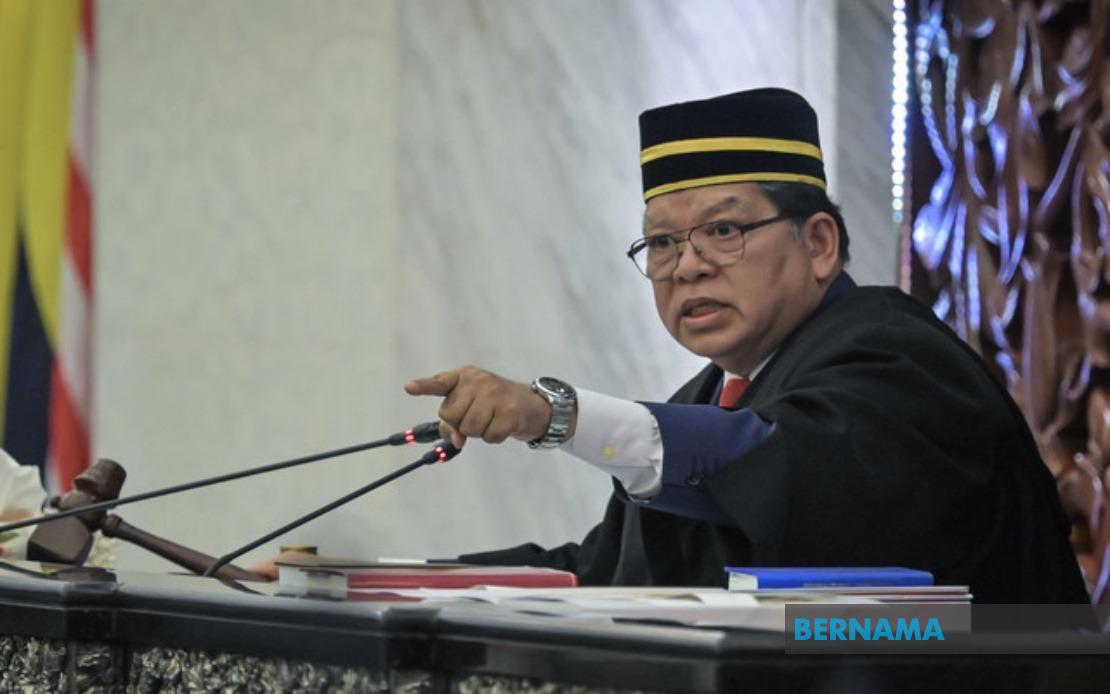
The Subang parliamentary seat has been declared vacant following formal confirmation from Dewan Rakyat Speaker Tan Sri Dr Johari Abdul that he received Wong Chen's resignation notice on August 10. Speaking at a Special Dewan Rakyat Sitting on August 11, the Speaker indicated that the necessary constitutional procedures had been initiated to address the vacancy, marking a significant development in Malaysia's parliamentary representation.
Wong Chen, who represented the Subang constituency, made his departure from Parliament public through a Facebook announcement on August 10, voluntarily relinquishing his membership in the legislative chamber. The timing of his exit came after he had formally submitted a resignation notice dated August 5 to the Speaker's office, which was subsequently processed and acknowledged within the official framework of Parliament's administrative procedures.
The Speaker's formal notification to the Election Commission represents a critical juncture in the constitutional process. According to Article 54(1) of the Federal Constitution, the Speaker is obligated to inform the Election Commission whenever a parliamentary seat becomes vacant, triggering a series of procedural steps that must be followed to determine when and how the seat will be filled. This mechanism ensures that parliamentary constituencies maintain their representation within a reasonable timeframe.
The resignation of Wong Chen adds to the ongoing discourse surrounding parliamentary stability and representation in Malaysian politics. His departure from the legislature comes at a time when various constituencies have experienced transitions in representation, reflecting broader shifts in the country's political landscape. The Subang seat, which covers a significant urban population in the Selangor state region, will now require attention to ensure continued constituent services and political representation.
Wong Chen's decision to step down voluntarily suggests a deliberate choice rather than circumstances forced upon him. The public nature of his announcement through social media platforms indicates transparency in his decision-making process, allowing constituents and the broader public to be informed simultaneously of the change. His submission of the resignation notice well in advance of the public announcement demonstrated adherence to proper parliamentary protocol.
The constitutional framework governing parliamentary vacancies in Malaysia is designed to prevent prolonged periods without representation for affected constituencies. The Election Commission, upon receiving formal notification from the Speaker, must assess the circumstances and determine the appropriate timeline for conducting a by-election. This process typically involves consultations with relevant authorities and consideration of existing election schedules to determine the most efficient approach.
Subang, as an urban parliamentary constituency, has historically been a significant seat in Malaysian politics, reflecting the political preferences of a diverse electorate in one of the country's major commercial and residential hubs. The by-election that will follow from this vacancy presents an opportunity for voters to reassess their preferences and for political parties to mobilise support within the constituency. Such electoral exercises, while routine from a constitutional perspective, carry implications for the broader political balance at both state and national levels.
The formal confirmation by the Speaker represents the culmination of administrative processes that ensure constitutional propriety. When a Member of Parliament submits a resignation, multiple layers of verification and formal notification must occur before the vacancy is officially recognised. The Speaker's statement at the parliamentary sitting provided the necessary public affirmation that these procedures had been completed correctly and that the seat was now vacant in accordance with law.
For Malaysian voters and observers, the by-election process that follows will offer insights into constituent preferences and the effectiveness of various political parties' grassroots organising capabilities. By-elections often serve as bellwethers for larger political trends, and the Subang contest will be observed closely by political analysts seeking to understand voter sentiment in urban areas of Selangor, a state that has emerged as a crucial battleground in Malaysian electoral politics.
The resignation also highlights questions about individual MPs' motivations and timing in stepping down from elected office. While some parliamentary exits occur due to health concerns, personal circumstances, or pursuit of other opportunities, each resignation represents a loss of institutional knowledge and continuity within Parliament. The Subang constituency will transition to new representation following the by-election, whether through another member from Wong Chen's previous party, a rival political formation, or an independent candidate.
Moving forward, the Election Commission will establish a schedule for the Subang by-election, consulting with relevant parties and ensuring that all voters registered in the constituency have the opportunity to participate. The commission must balance efficiency with the requirement to give political parties adequate time to campaign and allow the electorate sufficient notice to cast informed votes. This administrative process, while sometimes lengthy, forms the backbone of Malaysia's democratic electoral system.

